
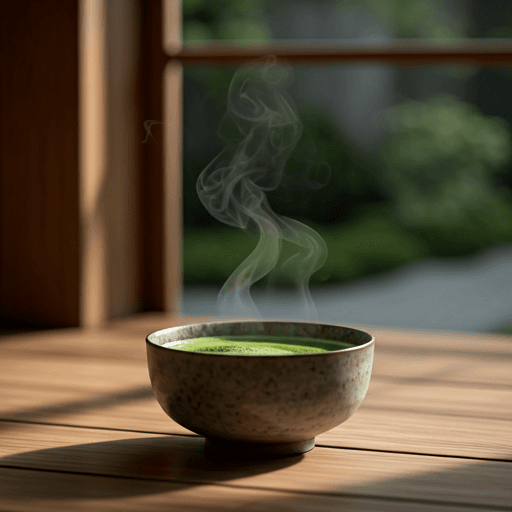
Here is how to make eucalyptus tea in a single line: steep a small amount of dried eucalyptus leaf — about 1 teaspoon — in just-off-boil water for 5 to 10 minutes, kept covered, until the water turns pale gold-green and smells fresh, cooling and piney, then strain and sip it warm. The rule that matters most sits right beside the recipe: you use only the mild leaf infusion, and a small amount of it, and you never use eucalyptus essential oil.
That is the whole method in a breath. Below is the same eucalyptus tea recipe in more detail: what the drink actually is and where the tree comes from, the one safety point to read before you brew, the exact ingredients and amounts, ordered steps with a quick brewing table, why a covered cup is part of the appeal, and how to store the dried leaf.
What eucalyptus tea is
Eucalyptus tea is a caffeine-free herbal infusion made by steeping a small amount of dried eucalyptus leaves in hot water. The cup it makes is bright and clean, pale gold with a faint green cast, and its scent is unmistakable: cooling, camphor-and-menthol-fresh, with a piney, almost mentholated lift that you notice the moment you lean over it. On the palate it is lighter than it smells — gently astringent, herbaceous, and clean-finishing — which is exactly why you brew it from just a little leaf rather than a heaped spoon.
The eucalyptus tree is one of the great botanical signatures of Australia, where the genus (Eucalyptus, in the myrtle family) is native and where hundreds of species make up much of the bush. Its aromatic, leathery leaves are what carry that famous fresh scent. Long grown far beyond its home, eucalyptus is now cultivated around the world — across the Mediterranean, in California, and in warm regions on nearly every continent — both for timber and for its fragrant foliage. Meeting it as a simple pale infusion is a nice way to get to know a leaf most people know only as a smell.
Because eucalyptus tea is brewed from a tree leaf rather than from the tea plant (Camellia sinensis), it is a tisane — a herbal infusion with no caffeine of its own. For the fuller picture of how these plant infusions differ from black or green tea, see our guide to what herbal tea is.
The one safety rule: leaf only, never the oil
This is the point to read before anything else, so here it is plainly. Make eucalyptus tea from a small amount of food-grade dried eucalyptus leaf only. Do not use eucalyptus essential oil, and never swallow it. The concentrated oil is a completely different product from a few dried leaves steeped in water: it is intensely strong, it is not meant to be drunk, and swallowing it can be genuinely dangerous — a risk that is especially serious for children. A mild leaf infusion, brewed light and strained, is a world away from the oil, and the two should never be confused. Keep any essential oil for a diffuser if you use it at all; keep the leaf for your cup.
Two more plain lines belong here. Use only a small amount of leaf — eucalyptus is strong, so more is genuinely not better. And this is not a drink for infants or young children. The wellness note further down keeps the same light, non-medical footing.
Ingredients you need
For one cup (about 240 ml / 8 oz), this eucalyptus leaf tea keeps the list short:
- About 1 teaspoon of dried eucalyptus leaf. Go light — this leaf is potent, so a single level teaspoon per cup is plenty, and you can always steep a touch longer rather than piling in more leaf. Use food-grade dried leaf sold for tea or tisanes.
- About 240 ml water, freshly boiled and left to settle for a few seconds to roughly 95 C (203 F).
- Optional to finish: a little honey, a squeeze of lemon, or a few leaves of fresh mint to lift and round the cup. (Skip honey for infants under 12 months — though this is not a children's drink in any case.)
Equipment is just a kettle, a mug or small teapot, a lid or saucer to cover the cup, and a strainer or infuser to catch the leaf. Fresh eucalyptus leaves from a correctly identified, unsprayed tree can be used too, but dried eucalyptus tea is the easy, reliable route for most people, and dried leaf is what most recipes assume.
How to make eucalyptus tea, step by step
- Measure the leaf. Put about 1 teaspoon of dried eucalyptus leaf into your cup, an infuser, or a small teapot. Start light; you can build up over a few brews as you learn your taste.
- Heat the water. Bring fresh water to a boil, then let it settle for 20 to 30 seconds so it sits around 95 C (203 F). Just off the boil suits the leaf well.
- Pour and cover. Pour the hot water over the leaf and cover the cup or pot straight away with a lid or saucer. Covering matters here more than almost anywhere, because it traps the volatile aromatic oils that give this cup its fresh, cooling scent — leave it open and much of that character drifts off with the steam.
- Steep 5 to 10 minutes. Five minutes gives a light, gently aromatic cup; closer to ten pulls out a fuller, more astringent one. Taste at five minutes and decide how much further to go — with eucalyptus, shorter is usually the kinder call.
- Strain. Lift out the infuser or pour the tea through a strainer so no loose leaf is left in the cup. The liquid should be pale gold-green and clear.
- Sweeten and finish. Taste before you add anything. A little honey and a squeeze of lemon suit its cooling, piney edge nicely, and a fresh mint leaf plays to the same note. Serve it warm.
Use this quick reference to match strength to steep time. Amounts are per about 240 ml (1 cup) of just-off-boil water.
| Dried leaf per cup | Steep | Note |
|---|---|---|
| 1 tsp (light) | 5 minutes, covered | Gentle, fresh and aromatic — the easiest cup |
| 1 tsp (standard) | 7-8 minutes, covered | Fuller and cooler, still clean-finishing |
| 1 tsp (stronger) | 10 minutes, covered | More astringent and piney; do not push past this |
The covered cup and its aromatic steam
Part of the appeal of a eucalyptus infusion is simply the scent. Keeping the cup covered while it steeps holds those fresh, cooling aromatics in, and when you lift the lid the first thing you get is a wave of clean, piney fragrance. Many people enjoy a slow, gentle inhale of the steam while they wait for the cup to cool — it is a pleasant, sensory part of the ritual, the same way a fragrant mint or garden-herb cup invites you to breathe it in before you sip. Enjoy it for what it is, an aromatic cup, without expecting it to do anything more.
If you like this bright, aromatic style of drink, it sits happily alongside other cooling, herbaceous infusions such as peppermint tea and the savoury, garden-herb sage tea. And for the general mechanics of steeping dried leaves — ratios, water temperature and timing across botanicals — our companion guide on how to brew herbal tea covers the same principles in more depth.
Storing dried eucalyptus leaf
Dried eucalyptus leaf keeps its aroma best in an airtight jar or tin, somewhere cool, dark and dry, away from the heat and steam of the stove. Its whole selling point is fragrance, and fragrance is what fades first, so seal the jar tightly between uses and keep whole or roughly cut leaf rather than a fine powder, since larger pieces hold their scent longer. Stored well, the dried leaf holds good aroma for many months; give it a sniff before you brew, and when the fresh, piney scent has gone flat and papery, it is time for a new batch rather than a stronger cup. If any moisture ever gets in and the leaf smells musty or shows mould, let it go — when in doubt, throw it out.
Is eucalyptus tea safe to drink?
Brewed the way this guide describes — a small amount of food-grade dried leaf, steeped light and strained — a cup of eucalyptus tea is treated by most people as a gentle, occasional aromatic drink. The sensible approach is the one already built into the recipe: keep the leaf amount small, keep the habit occasional rather than all day, and lean toward a shorter steep. Responses vary from person to person, and the notes here are general information, not medical advice.
The single most important point bears repeating, because it is the one that actually matters: use only the leaf, and never eucalyptus essential oil. The concentrated oil is not for drinking, and swallowing it can be dangerous, especially for children — and this is not a drink for infants or young children at all. Keep any wellness expectations light, too: enjoy eucalyptus tea as a fresh, cooling, caffeine-free cup rather than a remedy. If you are pregnant or breastfeeding, or you take any regular medication, check with your own healthcare provider before making it a habit. As a light aside for pet owners, keep eucalyptus — leaf, oil and brewed cup alike — well out of reach of dogs and cats, who should not have it. Made simply and kept light, eucalyptus tea is one of the more distinctive aromatic infusions you can brew at home.