
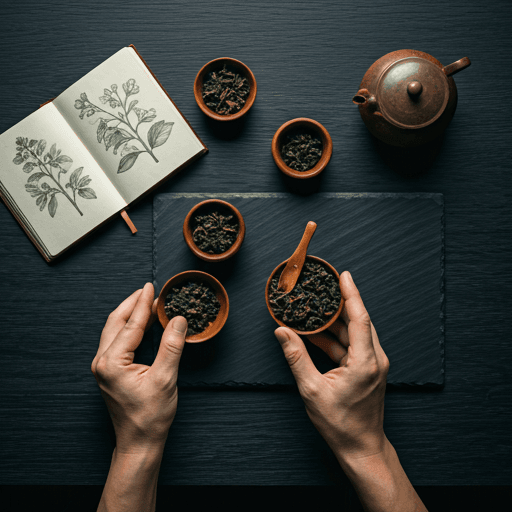
Here is how to make peppermint tea: steep a small handful of fresh peppermint leaves — or about 1 teaspoon of dried leaves, or a single tea bag — in just-boiled water for roughly 5 to 10 minutes, then strain. Because peppermint tea is a caffeine-free herbal tisane rather than a true tea, you can steep it long and hot without it turning harsh or bitter, so a longer soak simply gives you a stronger, more refreshing cup. That is the whole method; everything below is about choosing your leaves and dialing in exactly the strength you like.
This is a forgiving drink, which makes it a great first infusion if you are new to loose herbs. If you want the botanical background on the plant itself, our guide to what peppermint tea is covers that; here we stay focused on the pour.
How to make peppermint tea: the quick answer
The core recipe never really changes across formats — only the amount and the timing shift a little. Use fully boiling water (peppermint has no delicate leaf to scorch), keep the cup or pot covered while it steeps so the aromatic menthol stays in the drink instead of drifting off as steam, and taste at the 5-minute mark before deciding whether to let it go longer. Here is a simple peppermint tea recipe reference by format.
| Peppermint form | Amount per cup (~8 oz / 240 ml) | Water | Steep time |
|---|---|---|---|
| Fresh leaves | A small handful (about 8–12 leaves), rinsed and lightly bruised | Just-boiled, ~100 C / 212 F | 5–7 minutes |
| Dried loose leaf | ~1 tsp (up to 2 tsp for a bolder cup) | Just-boiled | 5–10 minutes |
| Tea bag | 1 bag | Just-boiled | 5–7 minutes |
| Iced (per glass) | Double the fresh leaves, dried leaf, or bags | Just-boiled, then poured over ice | 7–10 minutes, then chill |
What you'll need
Almost nothing beyond hot water and mint. A mug or small teapot, a kettle, and a strainer or infuser cover the whole job. For loose leaf you will want a fine mesh strainer or a basket infuser; a tea bag needs no strainer at all. Peppermint comes in three easy forms:
- Fresh leaves — the brightest, most vivid cup, and the obvious choice if you grow mint or can buy a bunch. Fresh peppermint tea tastes greener and rounder than the dried version.
- Dried loose leaf — concentrated and convenient, with a cleaner, more menthol-forward punch; a little goes a long way.
- Tea bags — the simplest option, already portioned, ideal for a fast cup at work or travel.
Step-by-step peppermint tea recipe
Follow these seven steps and you will have a clean, aromatic cup every time. They apply to fresh, dried, or bagged mint — just match the amount and timing to the table above.
1. Choose your peppermint
Decide on your format and measure it: a small handful of fresh leaves per cup, about 1 teaspoon of dried loose leaf, or one tea bag. If you are brewing a whole pot, scale up by the number of cups and add a little extra leaf "for the pot" to keep the flavour full.
2. Prep fresh leaves
If you are using fresh mint, rinse the leaves under cool water to remove any grit, then lightly bruise or tear them — press them gently between your fingers or give them a quick roll. Bruising cracks the leaf surface and releases the fragrant essential oils that carry peppermint's signature cool bite. Skip this step for dried leaf or bags, which are already broken down.
3. Boil the water
Bring fresh water to a full, rolling boil (about 100 C / 212 F). Unlike green or white tea, peppermint has no tender young leaf to scorch, so hot water only helps here — it pulls more flavour and aroma from the mint. If you like, warm your empty mug or pot with a splash of hot water first so the brew holds its temperature longer.
4. Steep, covered, for 5–10 minutes
Pour the water over the leaves or bag and cover the cup or pot right away — a saucer over a mug works fine. Covering is the one detail people skip and regret, because it traps the volatile menthol vapours that would otherwise escape with the steam, keeping that clean, cooling character in your cup. Knowing how to steep peppermint tea is really just knowing to wait and to keep the lid on. Five minutes gives a gentle, refreshing infusion; push toward 8–10 minutes for something more intense. It will not turn bitter the way an over-steeped black or green tea does, so lean long if you like it strong.
5. Strain
Lift out the infuser or bag, or pour the tea through a fine strainer to catch the leaves. Fresh mint especially tends to shed small bits, so a strainer keeps the cup tidy. Press the leaves lightly against the strainer to coax out the last of the flavour if you want every drop.
6. Flavour it (optional)
Peppermint is lovely on its own, but it takes add-ins beautifully. Stir in a little honey for gentle sweetness, drop in a slice of lemon for brightness, or add a thin coin of fresh ginger during the steep for extra warmth. A sprig of the fresh leaves left in the cup makes a pretty, aromatic garnish.
7. Serve hot or iced
Sip it hot straightaway, or turn it into iced tea: brew it a touch stronger (double the mint), let it cool, then pour over a full glass of ice — the melt will dilute it back to just right. A few whole mint leaves and a lemon wheel make it look as good as it tastes. This general rhythm — boil, steep covered, strain — is the same one we use across our herbal tea brewing guide, so once you have peppermint down, most tisanes follow.
Fresh vs dried peppermint: which to use
Both make an excellent cup; they simply taste a little different. Fresh leaves give a rounder, greener, garden-y flavour and a slightly softer menthol note — many people find fresh peppermint tea the more soothing, mellow of the two. Dried leaf is more concentrated and delivers a sharper, cooler hit, which is why you need only about a teaspoon versus a whole handful of fresh. As a rough conversion, roughly three parts fresh leaf equals one part dried by flavour intensity. If you are torn, brew both side by side once and let your own palate pick the winner.
How to make peppermint tea stronger
There are three easy levers, and the best part is that none of them makes the tea bitter. First, add more mint — an extra handful of fresh leaves or a second teaspoon of dried. Second, steep longer; because peppermint is caffeine-free and low in the tannins that make black tea astringent, a 10-minute soak just tastes bolder, not harsher. Third, cover the cup and don't let it cool too fast, so more of that aromatic oil stays put. For an iced glass, always over-brew on purpose, since the ice will water it down.
Growing and using garden mint
Mint is one of the easiest herbs to grow — so easy it will happily take over a bed, which is why many gardeners keep it in a pot to contain the runners. If you have a plant, snip sprigs from the top to encourage bushier growth, and pick in the morning when the oils are at their peak. Rinse, bruise, and brew exactly as above. Two quick notes: make sure you are picking true peppermint or spearmint (both are safe, familiar culinary mints, though spearmint is milder and sweeter), and give homegrown leaves a good rinse in case of soil or garden visitors. Fresh-from-the-garden is where peppermint tea genuinely shines.
Can you re-steep peppermint tea?
You can, though a second brew from the same leaves is noticeably lighter — most of the aromatic oils release in that first steep. If you want to re-steep, use fresh boiling water and add a minute or two to the timing to draw out what remains. A more reliable route to a second cup is simply to brew a larger pot the first time. For dried tea bags, a re-steep is usually thin enough that a fresh bag is the better call.
A light note on peppermint tea and your body
Peppermint tea is naturally caffeine-free, so it is an easy choice for the evening or any time you are winding down. Traditionally it is sipped after meals, and many people find a warm cup pleasant and settling, though responses vary from person to person and this is not medical advice. Because peppermint can relax the muscular valve at the top of the stomach, some people prefer to go easy on it — if you deal with acid reflux or GERD, are pregnant, or take any medication, it is worth checking with your own healthcare provider before making it a daily habit. For the traditional after-dinner angle in more depth, see our note on peppermint tea for digestion and bloating, and for the broader picture there is our overview of peppermint tea benefits.
That really is all there is to it: good leaves, boiling water, a lid, and a little patience. Once you have brewed a few cups you will stop measuring and start pouring by feel — a bigger handful when you want it bracing, a shorter steep when you want it delicate, ice and lemon when the afternoon is warm. Peppermint tea rewards experimenting precisely because it is so hard to get wrong.