
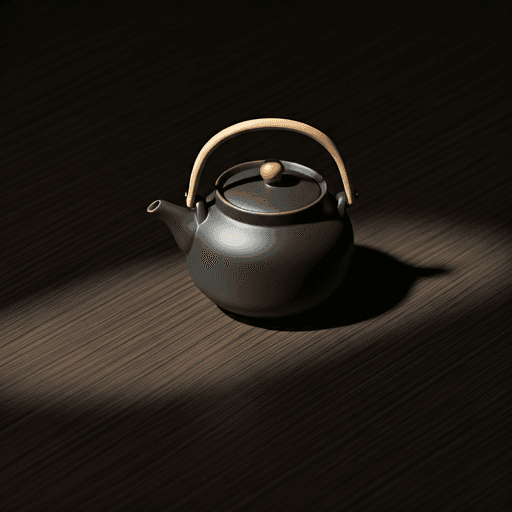
If you want to know how to make dokudami tea, the short answer is simple: steep or gently simmer the dried leaves of houttuynia in water just off the boil for a clean, toasty, faintly nutty cup. Dokudami tea is a mild, earthy, caffeine-free infusion built from the dried leaves of Houttuynia cordata, a heart-leaved ground-cover herb of East Asia. It is called dokudami in Japan and eoseongcho in Korea, and English speakers often know the plant as fish mint or chameleon plant.
Poured hot, a good cup of dokudami-cha tastes mellow and roasted-green, with a slightly earthy, hay-like edge and none of the sharpness the fresh plant is famous for. This guide walks through what the tea is, why you always brew it from dried (and often lightly roasted) leaves, and a straightforward dokudami tea recipe with amounts, times, and a quick reference table.
What dokudami tea is
Dokudami tea is an everyday, caffeine-free herbal infusion enjoyed across Japan and other parts of East Asia. In many households it sits alongside barley tea and roasted-grain teas as a familiar jug-in-the-fridge drink, something you sip warm in cool weather or chilled through summer, with meals or on its own. Because there is no tea leaf (no Camellia sinensis) in it, there is no caffeine, which is part of why dokudami-cha is poured so freely at any hour of the day.
The flavour of properly dried dokudami is gentle. Expect a toasty, roasted-green character, a whisper of nuttiness, and a soft, grassy-earthy base, closer to a light roasted-leaf tea than to a bold herbal blend. It takes sweetening well but rarely needs much. If you have brewed other East Asian dried-and-roasted everyday teas, the method will feel familiar: it shares the same dry, sometimes roast, then steep-or-simmer logic as Solomon's seal tea and black bean tea, where drying and gentle roasting are exactly what turn a raw ingredient into a mellow, toasty cup.
Why you brew dried leaves, not fresh
Here is the key point, stated plainly: the fresh houttuynia plant has a strong, pungent, famously fishy-and-coriander-like smell. That aroma comes from a volatile oil in the fresh leaf, and it is precisely why English speakers call it fish mint; it can be startling if you crush a raw leaf. Fresh, the herb is an assertive culinary green used in some Southeast Asian and southern Chinese cooking, not something most people would want as a hot drink.
Drying changes everything. As the leaves dry, and especially when they are gently pan-roasted afterwards, that pungent, fishy note fades and a mild, pleasant, tea-like flavour takes its place. This is why dokudami tea is always made from dried leaves, usually dried and often lightly roasted, rather than from the raw herb. So when you buy houttuynia tea, you are buying dried leaf that has already lost the fresh plant's sharp edge. If you grow the plant yourself, dry the leaves fully first; do not try to brew fresh fish mint tea and expect the mellow cup described here.
How to make dokudami tea, step by step
A short steep or a brief simmer in near-boiling water is all it takes to draw out the flavour, and the leaf re-steeps well for a lighter second pot. Here is everything you need.
Ingredients
- About 1 to 2 teaspoons of dried dokudami leaf per cup, or 1 to 2 tablespoons per pot
- Fresh water, heated to just off the boil (around 95 C / 203 F)
- Optional: a little honey to sweeten
- Optional: a spoonful of roasted grains, such as roasted barley or brown rice, to blend for a rounder, toastier cup
Quick reference
| Leaf | Water | Steep or simmer |
|---|---|---|
| 1-2 tsp per cup | ~95 C / 203 F, about 250 ml | Steep 4-6 min |
| 1-2 tbsp per pot | ~95 C / 203 F, about 750 ml | Simmer 5-10 min for a deeper cup |
| Re-steep (used leaf) | ~95 C / 203 F | Steep 5-7 min, lighter |
Method
- Give the dried leaf a quick rinse under cool water to freshen it and clear any dust.
- Place the leaf in a cup, teapot, or small saucepan.
- Heat your water to just off the boil, around 95 C, and pour it over the leaf.
- For a cup, steep 4 to 6 minutes. For a deeper, more roasted flavour, gently simmer the leaf in the water for 5 to 10 minutes instead.
- Strain out the leaf.
- Taste, and sweeten lightly with a little honey if you like; many people drink it plain.
- Sip warm, or cool it and chill for an iced pot. Re-steep the used leaf once for a lighter second round.
If you want to lean into the toasty side, blend the dokudami with a spoonful of roasted grain before brewing; it softens any herbal edge and adds body without adding caffeine. For the general tisane principles behind steep time and water temperature, and how they apply across the whole herbal family, see how to brew herbal tea and the primer on what herbal tea is.
Dry-roasting the leaves for a toastier cup
Even if your leaf is already dried, a quick dry-roast just before brewing deepens the flavour. Warm a dry pan over low-to-medium heat, add the dried leaves, and stir or toss them for a minute or two until they smell nutty and toasty; do not let them scorch. Then brew as above. This extra step brings out more of the roasted-green character and rounds off any lingering green note, which is why a lot of bagged dokudami tea is sold pre-roasted.
Storing dried dokudami leaf
Treat dried dokudami like any dried herb. Keep it in an airtight jar or tin, away from heat, light, and moisture; a cool, dark cupboard is ideal. Kept dry and sealed, the leaf holds its flavour for many months, though loose leaf and roasted leaf both fade faster once exposed to air, so keep the lid tight between brews. If it ever smells musty or damp rather than dry and toasty, compost it and start fresh.
A light note on wellness and safety
Dokudami has a long place in East Asian home kitchens, and it is often spoken of fondly as a wholesome everyday drink. Keep expectations grounded, though, and enjoy it as a pleasant, caffeine-free cup rather than a remedy. Responses vary from person to person, and this is not medical advice. Use culinary dried houttuynia sold for tea, from a source you trust. If you are pregnant or breastfeeding, or taking any medication, it is best to ask your own healthcare provider before making it a regular habit. And, as with any honey, never give honey to infants under 12 months.
Brewed simply from dried leaves, dokudami tea is one of the easier East Asian everyday teas to make at home: mellow, toasty, caffeine-free, and forgiving of a rough measure. Once you have a jar of dried leaf in the cupboard, a good cup is only a few minutes away.