
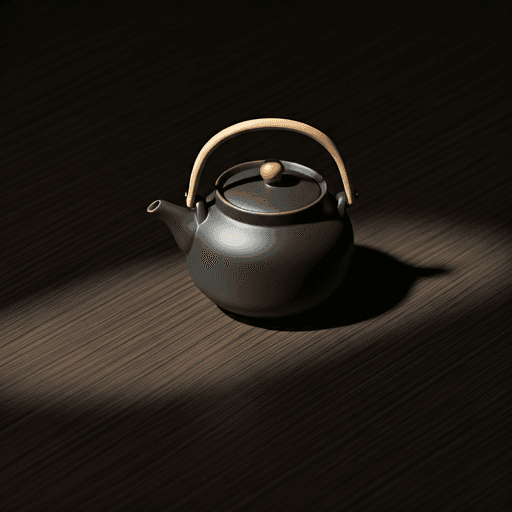
How to make chickweed tea comes down to one gentle idea: steep the fresh or dried leaves, stems and tiny white star-flowers of chickweed (Stellaria media) in just-off-boil water for several minutes until the liquid turns pale green. Chickweed tea is a very mild, fresh, grassy-green, caffeine-free infusion with a soft, spinach-like sweetness, brewed from a humble edible weed that grows in gardens and fields across much of the temperate world.
Below is a simple chickweed tea recipe for both fresh and dried leaf, the identification points that matter for any foraged plant, and a light note on keeping it an occasional cup. If you are new to loose-leaf infusions in general, our guide on what herbal tea is covers the basics, so we can stay focused on chickweed here.
What chickweed tea is
Chickweed (Stellaria media) is a low, tender, sprawling plant with weak stems, small oval leaves and tiny five-petalled white flowers that look like little stars — each petal is so deeply notched it seems to be two. It springs up in cool, damp, disturbed ground: vegetable beds, lawns, field edges and shady corners across Europe, North America and much of the temperate world. Gardeners often pull it as a weed, yet it has a long, humble heritage as a foraged spring green, eaten raw in salads and steeped as a soft, everyday cup.
The taste is gentle and green — think mild lettuce or young spinach with a faint, fresh sweetness and none of the bitterness of stronger leaf. There is no caffeine, so a stellaria media tea sits easily in the evening. Because the flavour is so soft, chickweed rewards a light hand: brew it too hard and you mostly get a flat, vegetal note rather than that delicate sweetness.
A tea to lift, not overpower
Chickweed is delicate, so treat it that way. Keep the steep gentle and, if you like, lift the cup with a little honey, a squeeze of lemon or a sprig of fresh mint. Lemon brightens the green flavour and can nudge the colour; honey rounds it out; mint gives it a cooler, more aromatic edge. This is a tea that plays well with small additions rather than one you drink for a bold, standalone character. It sits in the same family of soft, foraged edible-weed teas as dandelion tea and cleavers tea, all of which reward correct identification and a gentle brew.
Identification and sourcing — this part matters
With any foraged plant, correct identification comes before anything else. True chickweed has two reliable tells. First, run your fingers along the stem: you will find a single line of fine hairs running down one side, switching sides at each pair of leaves — a feature no look-alike shares in quite the same way. Second, gently pull a stem apart: the tough inner core stretches out as fine, elastic threads before it snaps, while the outer sheath breaks cleanly. Those two signs together are the classic confirmation.
Avoid look-alikes. The most important one is scarlet pimpernel (Anagallis arvensis), which can grow in the same ground, has a squarish stem without that single hair line, usually shows small orange-red (sometimes blue) flowers, and should not be eaten. Spurge species, which ooze a milky sap when broken, are another to steer clear of — chickweed has clear, watery sap. If you are ever unsure, do not brew it.
Source it well. Gather chickweed only from clean, unsprayed ground, away from roadsides, paths where pets pass, and anywhere weedkiller may have been used. Pick the fresh, bright top growth, then wash it thoroughly in cool water to remove grit and any tiny insects before you brew. Fresh chickweed makes the mildest, sweetest cup, while dried chickweed tea is a little more concentrated and keeps for out-of-season brewing.
How to make chickweed tea
Here is the core chickweed tea recipe. It scales easily — this is for one generous cup of about 250 ml.
You will need:
- A small loose handful of fresh chickweed (leaves, stems and flowers), or about 1 to 2 teaspoons of dried chickweed
- Water at about 90 to 95°C — just off the boil, not a rolling boil
- Optional: honey, a squeeze of lemon, or a sprig of fresh mint
Method:
- Rinse the fresh chickweed well in cool water and shake off the excess. If using dried, measure it into your cup or a small teapot.
- Tear or roughly chop the fresh herb so more of the leaf surface meets the water.
- Bring water to the boil, then let it settle for 30 to 60 seconds so it drops to about 90 to 95°C. Pour it over the chickweed.
- Cover the cup or pot and steep gently for 5 to 8 minutes — 5 for a whisper-soft cup, closer to 8 for a fuller green flavour.
- Strain out the leaf. Taste, then sweeten with honey or brighten with lemon if you like, and add mint for a cooler finish.
- Sip it warm, or let it cool and serve it over ice for a fresh green iced version.
Covering the cup while it steeps keeps the warmth and the delicate aromatics in. For more on gentle infusion technique across leaves and flowers, see our walkthrough on how to brew herbal tea.
Fresh vs dried: amounts and steep
| Form | Amount per cup (about 250 ml) | Water temp | Steep time |
|---|---|---|---|
| Fresh chickweed | A small loose handful (leaves, stems, flowers) | 90-95°C | 5-6 minutes |
| Dried chickweed | 1-2 teaspoons | 90-95°C | 6-8 minutes |
Fresh chickweed makes the mildest, most delicate cup, so if you have picked your own, start there and steep on the shorter side. Dried leaf is slightly stronger and a touch more grassy, so give it the extra minute or two but taste as you go.
Storing chickweed and the brewed tea
Fresh chickweed is best used the day you pick it. To keep it a little longer, wrap it loosely in a damp cloth or paper towel and store it in the refrigerator for two to three days; it wilts quickly. To dry your own, spread clean, dry sprigs in a single layer somewhere warm, airy and out of direct sun, or use a dehydrator on low, until the leaf is crisp; then store it in an airtight jar away from light and use within several months for the best flavour. Any brewed tea you do not drink can be cooled, covered and kept in the refrigerator for up to a day — give it a sniff first, and when in doubt, throw it out.
Is chickweed tea safe? A few sensible notes
Chickweed has a long folk history as an edible green, but a foraged weed always calls for a little care, so keep these points in mind. Responses vary from person to person, and this is not medical advice.
- Identify with certainty. Only brew plants you have positively identified as Stellaria media, using the single hair line and the stretchy inner thread, and avoid look-alikes such as scarlet pimpernel and milky-sapped spurges.
- Pick clean. Use only chickweed from unsprayed ground, away from traffic and pet paths, and wash it well.
- Keep it occasional. Enjoy chickweed tea as an occasional cup rather than something you drink in large amounts every day.
- Ask if it applies to you. If you are pregnant or breastfeeding, or you take any medication, check with your own healthcare provider before adding a new botanical tea. Never give honey to infants under 12 months.
Treated with that ordinary caution, chickweed tea is one of the gentlest, greenest cups you can make from your own garden — a quiet reminder that some of the nicest brews grow underfoot for free.