
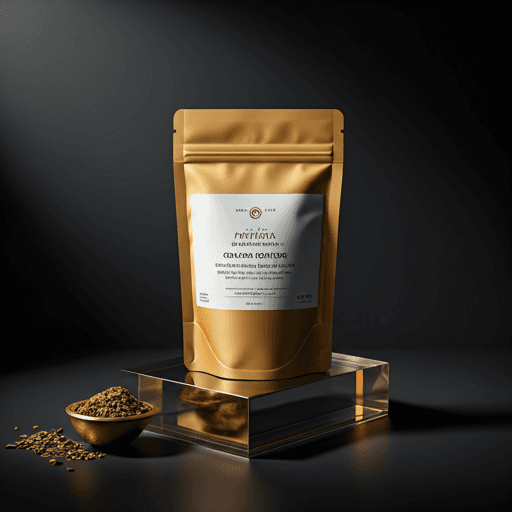
If you want to know how to make carob tea, here is the short answer first: carob tea is a naturally sweet, malty, cocoa-and-caramel-like, caffeine-free drink you make by simmering chopped roasted carob pods in water, or by whisking carob powder into hot water or warm milk, until the liquid turns deep brown with a mellow, chocolatey sweetness. It comes from the carob tree (Ceratonia siliqua), the Mediterranean locust-bean tree, and has long been enjoyed as a caffeine-free stand-in for coffee or cocoa.
Below you will find a simple carob tea recipe for both forms — whole roasted pods and ready-made powder — plus amounts, timings, a quick comparison table, and notes on sweetening and storage. Carob is forgiving, so you can adjust the strength to taste without much fuss.
What carob tea is (and what it tastes like)
Carob comes from the long, leathery pods of the carob tree, an evergreen that thrives around the Mediterranean and across the Middle East. The pods are also called locust beans or St John's bread, and once they are dried and roasted they take on a deep brown color and a warm, toasty aroma. Brewed as a tea, carob tastes a lot like a gentle cross between cocoa and caramel: naturally sweet, a little malty, with none of the bitterness you get from coffee or dark chocolate.
Two things make carob distinctive. First, it is naturally sweet on its own, so a cup of carob tea often needs no sugar at all. Second, it contains no caffeine, which is a big part of its long-standing appeal as an evening drink or a cocoa-like treat for anyone cutting back on stimulants. If you enjoy other caffeine-free brews, carob sits comfortably alongside a cup of rooibos tea, another naturally caffeine-free option with its own mellow, slightly sweet character.
Culturally, carob has deep roots. Around the Mediterranean and the Middle East it has been turned into syrups, roasted for baking, and brewed as a warm drink for centuries. Its seeds were even once used as a tiny standard of weight, which is where the word "carat" comes from. For a broader look at how plant-based brews like this fit into the wider world of tisanes, see our guide to what herbal tea is.
Pods or powder: two ways to brew
There are two common starting points, and they give slightly different results:
- Roasted carob pods — chopped or broken into pieces and simmered in water. This makes a clearer, more tea-like cup with a lighter body. People often call this carob pod tea, and it is the closest thing to brewing a traditional herbal infusion.
- Carob powder — a fine roasted powder you whisk straight into hot liquid. This makes a fuller, cocoa-like cup with more body, since the powder stays suspended in the drink rather than being strained out. This is usually what people mean by carob powder tea.
The roasted-and-brewed idea will feel familiar if you have ever tried a grain-based coffee alternative. In fact, carob belongs to the same family of caffeine-free, roasty drinks as barley coffee — both rely on roasting to build a deep, comforting flavor without any caffeine at all.
How to make carob tea: ingredients
You only need a couple of things. Amounts below are per cup (about 240 ml / 8 oz) and are easy to scale up:
- Carob: a few pieces of chopped roasted carob pod per cup, or about 1 to 2 teaspoons of carob powder per cup.
- Liquid: water for a lighter, tea-like cup, or milk (dairy or a plant milk of your choice) for a richer, cocoa-like drink.
- Optional aromatics: a small pinch of cinnamon, a split vanilla pod, or a thin curl of orange peel to round out the flavor.
- Optional sweetener: a little honey or your usual sweetener, though carob is sweet enough that you will often skip this.
Before you start, it helps to have a small saucepan and a fine strainer ready for the pod method, or a whisk or milk frother for the powder method. If you would like a refresher on general infusion technique, our guide on how to brew herbal tea covers the basics of water, temperature, and timing.
How to make carob tea from roasted pods
This is the slow, aromatic method, and it fills the kitchen with a lovely toasty smell.
- Chop or break 2 to 3 roasted carob pods into small pieces per cup of water. Smaller pieces release more flavor.
- Add the pieces to a saucepan with your water (about 240 ml per cup) and bring it to a gentle boil.
- Lower the heat and simmer gently for 10 to 15 minutes. The water will darken to a deep, reddish-brown as the carob steeps.
- Taste after about 10 minutes. For a stronger, sweeter cup, simmer a few minutes longer.
- Strain out the pod pieces and pour the tea into your cup. Add a pinch of cinnamon or a little honey only if you like.
For a richer version, you can simmer the pods in milk instead of water, or top up the strained tea with a splash of warm milk at the end.
How to make carob tea from carob powder
This is the quick method — no simmering, no straining — and it gives the most cocoa-like cup.
- Measure 1 to 2 teaspoons of carob powder into your cup or a small saucepan.
- Add a splash of hot (not boiling) water or warm milk and whisk it into a smooth paste. This stops the powder from clumping.
- Top up with the rest of your hot water or warm milk, about 240 ml in total, whisking as you go until fully combined.
- If you are using a saucepan, warm it gently over low heat while whisking, but do not let it boil hard.
- Taste, then sweeten only if you feel it needs it. A pinch of cinnamon or a drop of vanilla is a nice finishing touch.
A milk frother or small whisk makes the powder version especially smooth and gives it a light, foamy top, much like a mug of cocoa.
Quick comparison: pods vs powder
| Carob form | Method | Note |
|---|---|---|
| Roasted pods (chopped) | Simmer 10-15 min in water, then strain | Clearer and lighter, closest to a traditional herbal infusion |
| Carob powder | Whisk 1-2 tsp into hot water or warm milk | Fuller and cocoa-like; no straining, ready in minutes |
| Either form with milk | Use warm milk in place of some or all of the water | Turns it into a rich, chocolatey treat |
Sweetening, milk, and simple variations
The single most useful thing to remember is that carob is naturally sweet, so start with no sweetener and add only if you want it. Many people find a plain cup of carob tea sweet enough as it is. From there, a few easy tweaks: stir in warm milk to make it cocoa-like; add a pinch of cinnamon or a little vanilla for warmth; or chill the strained tea over ice for a naturally sweet iced drink in warm weather.
Because it has no caffeine, carob tea is an easy choice late in the day. If you are building a caffeine-free rotation, it pairs nicely with rooibos and other roasted, caffeine-free brews for variety.
Storing carob tea and carob
Brewed carob tea keeps in the fridge for a couple of days in a covered jar, which is handy if you want to make a batch for iced tea. Store dry carob powder in an airtight container in a cool, dark cupboard, where it stays fresh for months. Whole roasted pods keep even longer; store them somewhere dry and simply chop what you need. If you brewed the tea with milk, treat it like any dairy drink: keep it refrigerated, and when in doubt, throw it out.
A light note on carob
Carob is an ordinary food that people have eaten and brewed for a very long time, and one of its main draws is simply that it is naturally caffeine-free and pleasantly sweet without added sugar. Beyond that, any effects vary from person to person, and this is not medical advice. If you are pregnant or breastfeeding, or you take regular medication, it is always sensible to check with your own healthcare provider before making any new drink a daily habit. As with any powder, buy carob from a source you trust, and if you are blending it into milk for children, remember never to give honey to infants under 12 months.
Otherwise, carob tea is about as low-stress as a warm drink gets: roast, simmer or whisk, and enjoy a naturally sweet, chocolatey, caffeine-free cup any time of day.