
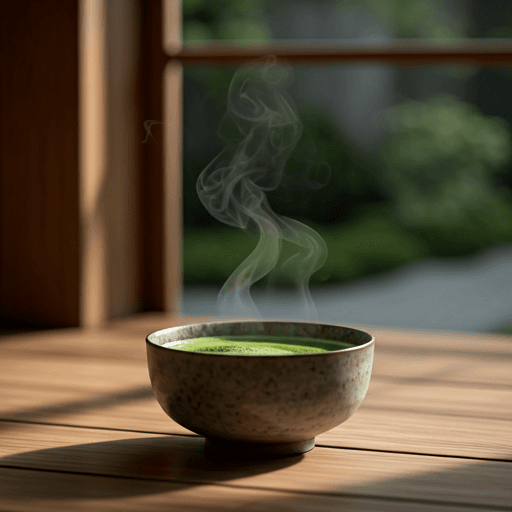
If you want to know how to make blackcurrant leaf tea, the short answer is refreshingly simple: steep young blackcurrant leaves — fresh or dried, picked from the blackcurrant bush (Ribes nigrum) — in just-off-boil water for a few minutes until the cup turns pale gold-green and releases a musky, green, faintly fruity aroma that hints at the berries. It is a much-loved European garden and hedgerow tea, caffeine-free and easy to gather at home.
Below you'll find the amounts, the exact steep times, an ordered step-by-step method, and a leaf-and-berry variation that deepens both colour and tartness. If tisane fundamentals are new to you, the wider guide to what herbal tea is covers the basics; here we stay focused on the leaf itself.
What blackcurrant leaf tea is
Blackcurrant leaf tea is an infusion made purely from the leaves of the blackcurrant shrub — no actual berries required, though a few can be added for colour. Because it uses no Camellia sinensis, it contains no caffeine, which makes it an easy evening cup.
Its signature is the scent. Crush a fresh blackcurrant leaf between your fingers and you get an unmistakable musky, green, slightly resinous smell with a soft fruity edge — the same aromatic family as the berries, which the French call cassis. That is why you'll sometimes see the drink called cassis leaf tea. In the cup it translates to a light, herbaceous, gently tart brew rather than a sweet, jammy one. Across Northern and Central Europe, gardeners have long dried the summer prunings of their currant bushes to make a homely, thrifty tea through the colder months, and that quiet garden tradition is a big part of the drink's charm.
Which leaves to use: fresh or dried
The best leaves are young, healthy, and unblemished, picked before or around fruiting when the plant's aromatic oils are at their liveliest. Choose bright green leaves free of mildew, black spot, or insect damage, and take only a few from each branch so the bush keeps growing and still fruits well.
- Fresh leaves give the brightest, greenest, most fragrant cup. Use them the day you pick them for the best aroma, and give them a good rinse first.
- Dried leaves are more convenient and store for months. Drying concentrates the flavour a little, so you need less by volume. Air-dry whole leaves on a tray or in a loosely closed paper bag somewhere warm and shaded until they crumble easily, then store them airtight.
For a foraged or garden harvest, only pick from bushes you can positively identify as blackcurrant and that have not been sprayed, keep away from roadsides, and rinse everything well before brewing.
How to make blackcurrant leaf tea, step by step
Here is the core blackcurrant leaf tea recipe for a single mug (about 250 ml / 8 oz). Scale the amounts up proportionally for a pot.
You will need:
- A small handful of fresh young blackcurrant leaves (roughly 6-8 leaves), or 1-2 teaspoons of dried, crumbled leaves
- About 250 ml (1 cup) water, heated to 90-95 C / 195-205 F — just off the boil
- Optional: a little honey or sugar, a slice of lemon, a sprig of mint, or a few blackcurrants for colour
- Rinse and tear. Rinse fresh leaves under cool water, then tear or lightly bruise them so the aromatic oils can escape into the water. Dried leaves need only a quick crumble.
- Heat the water. Bring the water to a boil, then let it settle for 30-60 seconds so it drops to about 90-95 C. Fully boiling water can scald delicate leaf and flatten the aroma.
- Pour and cover. Put the leaves in a mug, teapot, or infuser and pour the hot water over them. Cover the vessel with a lid or a saucer to trap the fragrant steam while it brews.
- Steep. Let fresh leaves infuse for 4-6 minutes; give dried leaves 5-8 minutes. A longer steep draws out more colour and a firmer, slightly more tannic edge, so taste as you go.
- Strain and finish. Strain out the leaves, then sweeten with honey or add lemon or mint to taste. Serve it hot, or chill it and pour over ice for a summer cup.
Use the quick reference below to match leaf form to amount and timing.
| Leaf form | Amount per cup (250 ml) | Water temp | Steep time |
|---|---|---|---|
| Fresh young leaves | Small handful (6-8 leaves), torn | 90-95 C / 195-205 F | 4-6 min |
| Dried leaves | 1-2 tsp, crumbled | 90-95 C / 195-205 F | 5-8 min |
| Leaf plus a few berries | Small handful leaves + 1 tsp crushed berries | 90-95 C / 195-205 F | 6-8 min |
A leaf-and-berry variation for colour and tartness
Blackcurrant leaf tea on its own is pale gold-green and softly herbaceous. If you want something closer to a fruity blackcurrant tea — rosier in the cup and brighter on the tongue — add a few fresh or frozen blackcurrants to the pot. Crush 5-6 berries lightly with the back of a spoon, add them along with your handful of leaves, and steep for 6-8 minutes. The berries lend a blush of pink-purple and a clean tartness, while the leaves keep that distinctive musky-green backbone. A short squeeze of lemon lifts the colour further, and a little honey rounds off the edges.
For iced tea, brew this berry version a touch stronger than usual, let it cool, then serve it over plenty of ice with a mint sprig. It keeps a lovely colour and is a fine way to use a glut of summer currants.
Storing dried blackcurrant leaf
Once your leaves are fully dry and crackle-crisp, store them whole — they hold their aroma better whole than crushed — in an airtight jar or tin, away from light, heat, and moisture. A cool, dark cupboard is ideal. Well-dried leaf keeps good flavour for six months to a year; crumble only what you need, when you need it. If the leaves ever smell musty or show any sign of damp or mould, throw them out and start with a fresh batch.
Make it your own
Blackcurrant leaf takes well to blending. Combine it with other garden leaves for a house tisane, or lean into the seasonal, hedgerow spirit that ties so many home infusions together. If you enjoy gathering and brewing leaf teas, the same rinse-tear-steep rhythm carries straight over to mulberry leaf tea, while the fragrant blossoms in elderflower tea make a lovely floral counterpart drawn from the same kind of garden. For the general technique behind temperature, timing, and getting the most out of any botanical, the companion guide to how to brew herbal tea is worth a read.
A light note on safety and wellness
Treat blackcurrant leaf tea as the pleasant, aromatic drink it is. If you forage, pick only from bushes you can positively identify as blackcurrant (Ribes nigrum) and that haven't been sprayed with pesticides or herbicides, keep clear of roadside plants, and wash the leaves well. Brew the leaves — that is the part traditionally used for this tea.
People sometimes credit blackcurrant leaf with mild feel-good qualities, but responses vary from person to person, and none of this is medical advice. If you are pregnant or breastfeeding, or you take any medication, and you'd like to drink it often, check with your own healthcare provider first. Enjoyed as an occasional cup, it is simply a fragrant, caffeine-free pleasure with a story rooted in the garden.