
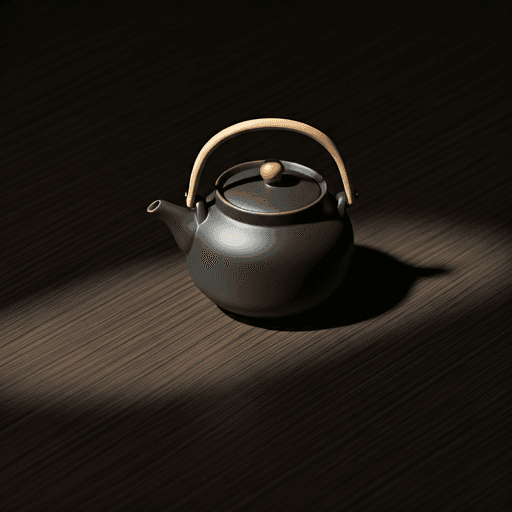
The short version of how to make agrimony tea is this: steep about 1 to 2 teaspoons of dried agrimony leaves and slender yellow flowering tops in a cup of just-off-boil water (around 90 to 95C / 194 to 203F) for 4 to 6 minutes, until the water turns pale gold, then strain and sip. Agrimony (Agrimonia eupatoria) is a caffeine-free wildflower of European meadows and hedgerows, historically called church-steeples or sticklewort, and its infusion is mild, gently astringent, and faintly scented of apricot and warm hay.
If you have ever brewed a loose-leaf herbal cup before, this will feel familiar. Agrimony is one of the classic wayside herbs of the old European countryside, gathered by hand from sunny field edges and dried for a soft, easygoing brew. Below is a simple agrimony tea recipe, the amounts and temperatures that keep it pleasant rather than harsh, and a few notes on blending and storing the dried herb.
What agrimony tea is
Agrimony tea is a light, caffeine-free herbal infusion made from the dried leaves and the tall, narrow yellow flower spikes of Agrimonia eupatoria, a common perennial wildflower across European meadows and hedgerows. Those slim spikes of tiny yellow blooms are the reason for the old country name church-steeples, while the hooked seeds that cling to clothing and fur earned it sticklewort. You will also see the plant referred to simply as agrimonia, and its brew called agrimonia tea or, playfully, church steeples tea.
In the cup, agrimony is understated. The flavor is soft and slightly dry, with a gentle astringency (the same mouth-tightening quality you notice in a strong black tea or an unripe pear) and a faint apricot-and-hay sweetness in the background. It is not floral or minty on its own; it leans grassy and mellow, which is exactly why it takes so well to a spoon of honey, a squeeze of lemon, or a little mint stirred in.
The plant belongs to the same broad tradition of gathered meadow herbs as yarrow and goldenrod. All three grow along field edges and open, sunny ground, all three were dried and stored for wayside brews, and all three reward the same unfussy approach. If you enjoy the idea of a cup drawn from a summer meadow, agrimony sits comfortably beside yarrow tea and goldenrod tea on the shelf. For the wider background on what counts as a tisane and how these caffeine-free brews differ from true tea, see our primer on what herbal tea is.
How to make agrimony tea: the key point
Here is the one thing worth remembering about how to make agrimony tea well: steep time controls the character. A shorter steep of around 4 minutes keeps the cup soft, pale, and easy to drink. Push it toward 6 or 7 minutes and you draw out more of that pleasant astringency, giving a drier, more grippy cup with a deeper gold color. Neither is wrong; it simply depends on whether you want the mellow version or the more bracing one. Start short, taste, and steep the next cup a little longer if you want more body.
Water temperature matters too. Just-off-boil water, roughly 90 to 95C (194 to 203F), pulls out plenty of flavor and aroma without scorching the delicate flower tops or turning the astringency sharp. A full rolling boil poured straight on can make the cup taste flat and overly dry, so let the kettle settle for 30 to 60 seconds after it boils before pouring.
Ingredients
- 1 to 2 teaspoons of dried agrimony (leaves and flowering tops), per 200 to 250 ml (about 8 oz) cup
- Fresh water, heated to around 90 to 95C (194 to 203F)
- Optional: a little honey to sweeten
- Optional: a thin slice or squeeze of lemon
- Optional: a few leaves of fresh mint, or a pinch of another dried meadow herb, to blend
Step by step
- Place 1 to 2 teaspoons of dried agrimony into a cup, a tea infuser, or a small teapot. Start with 1 teaspoon if you prefer a gentle cup.
- Heat fresh water and let it settle just off the boil, to about 90 to 95C (194 to 203F).
- Pour the hot water over the herb and cover the cup or pot. Covering keeps the aromatic vapors in rather than letting them drift off.
- Steep for 4 to 6 minutes. Nearer 4 for a soft, pale cup; nearer 6 for more color and a drier, more astringent finish.
- Strain out the herb, or lift out the infuser, so the brew does not keep drawing and turn bitter.
- Sweeten lightly with honey if you like, add a little lemon, and sip it warm.
Agrimony gives a pale gold liquor rather than a deep one, so judge strength by taste and aroma more than by color. If the first cup is too light for you, add more dried herb next time rather than steeping the same leaves far longer, which mostly adds astringency instead of flavor. For the general mechanics that apply to any loose herb, our guide on how to brew herbal tea covers infusers, ratios, and re-steeping in more depth.
Quick brewing table
| Herb per cup | Steep time (90 to 95C) | Note |
|---|---|---|
| 1 tsp dried agrimony | 4 minutes | Soft, pale gold, easy drinking |
| 1.5 tsp dried agrimony | 5 minutes | Balanced body with light astringency |
| 2 tsp dried agrimony | 6 to 7 minutes | Deeper gold, drier, more grippy finish |
Blending agrimony with other meadow herbs
Because agrimony is mild and slightly grassy, it plays well with other gathered herbs rather than fighting them. A few leaves of fresh mint lift it and add a cooling note; a pinch of dried chamomile softens it further and adds a hint of apple sweetness; a little lemon balm or lemon verbena brightens the whole cup. Keep any blend simple, usually two or three herbs at most, so the delicate apricot-hay character of the agrimony is not buried.
If you like the meadow theme, try a small amount of agrimony alongside the flower-forward brews it grows beside in the wild. It rounds out the more pungent edge of yarrow, and it sits easily next to the honeyed lightness of goldenrod. A squeeze of lemon and a touch of honey ties any of these blends together and makes the cup feel finished.
Storing dried agrimony
Dried agrimony keeps best in an airtight jar or tin, away from light, heat, and moisture, much like any other dried leaf herb. A cupboard shelf is fine; the enemies are a sunny windowsill and steam from a nearby kettle or stove. Stored well, the dried leaves and flowering tops hold their gentle aroma for roughly six to twelve months, after which the scent fades and the cup tastes progressively flatter. Give the jar a sniff before brewing; if it still smells faintly of hay and dried apricot, it is good to go. Label the jar with the date so you can rotate older stock first.
A light note on enjoying it
Agrimony tea is best thought of as an occasional, modest cup enjoyed for its taste and its meadow-herb charm rather than as any kind of remedy. Because it is astringent, most people find a cup or two now and then more pleasant than a strong brew every day. Responses to any herbal tea vary from person to person, and none of this is medical advice. If you are pregnant or breastfeeding, taking any medication, or managing a health condition, check with your own healthcare provider before adding a new botanical brew to your routine. When you forage rather than buy, be confident of correct plant identification first, and use only the leaves and the yellow flowering tops. Treated as a simple, gently astringent pleasure, agrimony makes a quietly lovely caffeine-free cup with real old-countryside character.