
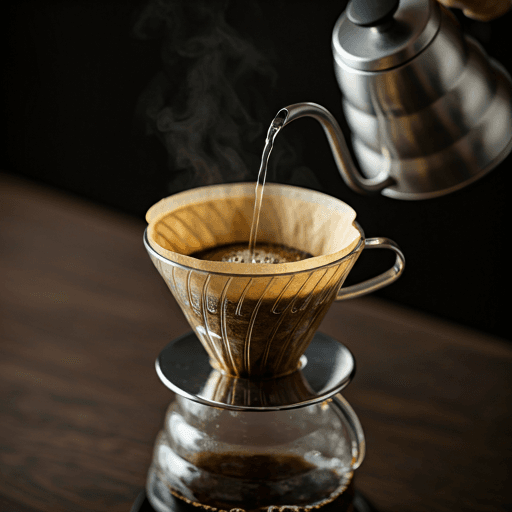
Yes, you can learn how to brew coffee without a filter and still pour a genuinely good cup. A paper filter is convenient, but it is not the thing that makes coffee: hot water and ground beans do that. If you have run out of filter papers, or never owned any, you have several reliable routes to coffee without a filter, and most use gear already in your kitchen.
The short answer is that you have three broad options. You can steep the grounds loose and let them settle (the cowboy or steeped method). You can build a makeshift filter from a fine sieve, a clean cloth, or a paper towel. Or you can reach for immersion and mechanical gear like a French press or moka pot that separates the grounds for you, with no paper needed at all. Below is how each one works, plus the tricks that keep grit out of your cup.
How to brew coffee without a filter: the quick answer
Every no-filter method solves the same single problem, which is separating the wet grounds from the drinkable coffee once they have steeped. A paper filter is just one way to do that. Anything that lets liquid through while holding back the solids will work, from a metal mesh to a cotton cloth to gravity itself if you give the grounds time to sink. Pick your method by what you have on hand and how clean you want the finished cup to be.
A few habits make no filter coffee taste better no matter which route you take. Grind a little coarser than you would for a paper drip, closer to coarse sea salt, so fewer fine particles escape into the cup. Use water just off the boil, around 92 to 96 C (198 to 205 F). And give the brew a moment of stillness before you pour, because patience does half the filtering for free.
Method 1: The steeped, or cowboy, way
This is the oldest approach and needs nothing but a pot, water, a heat source and grounds. You steep the coffee loose and rely on the grounds settling to the bottom so you can pour the clear coffee off the top.
- Heat the water. Bring water to a boil, then take it off the heat for about 30 seconds so it drops just below boiling.
- Add coarse grounds. Stir in roughly two tablespoons of coarsely ground coffee per cup (about 250 ml). A coarse grind settles faster and cleaner than a fine one.
- Steep. Let it sit for around four minutes. The grounds will bloom and then begin to drift downward.
- Settle. Let it rest another two minutes. A small splash of cold water on top helps the grounds sink faster.
- Pour gently. Tip the pot slowly and steadily into your mug, stopping before the sludge at the bottom follows the liquid.
This is the classic campfire and stovetop brew, and it truly needs no equipment beyond a vessel. For the full outdoor technique, including the tricks that keep grounds out of your teeth, see our dedicated guide to how to make cowboy coffee. Here we are keeping it as one option among several.
Method 2: Build a makeshift filter
If you want a cleaner cup than steeping alone gives, you can improvise a filter from things most kitchens already hold. The idea is the same as a paper cone: pour brewed coffee (or hot water over grounds) through a barrier that catches the solids.
- A fine mesh sieve or tea strainer. The easiest swap. Steep your grounds in a mug or jug, then pour the coffee through the sieve into a second mug. For a cleaner result, strain twice.
- A clean cloth. A tightly woven cotton handkerchief, a piece of muslin, or a clean, unscented kitchen cloth makes an excellent reusable filter. Lay it over a mug or inside a funnel, add grounds or pour brewed coffee through, then rinse it out afterward. Cloth catches almost all the grit and can be used again and again.
- A paper towel, as a last resort. Fold a paper towel into a funnel or sieve, add grounds, and pour hot water through slowly. It works in a pinch, but paper towels can shed lint and lend a faint papery taste, and some are not designed for hot liquid contact. Rinse it first with a little hot water, use a sturdy plain one, and treat this as an emergency-only option rather than a habit.
Whichever barrier you use, pour slowly and let gravity do the work rather than forcing the liquid through. A makeshift pour-over like this comes closest to the clean taste of a paper-filter machine, which is handy when it is only the filters you are missing. For more on brewing when a whole appliance is absent, our guide to making coffee without a coffee maker covers the no-machine angle in depth.
Method 3: Immersion and mechanical gear that needs no paper
Some brewers filter mechanically by design, so paper never enters the picture. If you own any of these, you already have a no-filter setup.
- French press. A metal plunger screen holds back most of the grounds while letting the coffee and its oils through. Add coarse grounds and hot water, steep about four minutes, then press the plunger down slowly and pour. The cup is rich and full-bodied, with a little fine sediment that is part of its character.
- Moka pot. This stovetop pot pushes hot water up through a bed of grounds using steam pressure, and a built-in metal screen separates the coffee, so no paper is involved. It produces a strong, concentrated, espresso-adjacent brew.
- A lidded jar. No press? A heatproof jar becomes a plunger-free immersion brewer. Steep grounds and hot water with the lid on for about four minutes, then pour slowly through a sieve or hold the lid slightly ajar to strain as you go.
At the most stripped-back end sits the fully unfiltered simmered style, where finely ground coffee is brought up in water and poured grounds-and-all, letting the fines settle in the cup. That is the tradition behind Turkish coffee; for the technique and the fine grind it depends on, see our guide to how to make Turkish coffee.
Keeping grounds out of the cup
Sediment is the main downside of skipping a paper filter, and three small adjustments handle most of it.
- Grind coarser. Fine grounds are what slip through mesh and cloth. A coarse, sea-salt texture stays put far better and settles faster in a steeped brew.
- Let it settle. Give any immersion or cowboy brew an extra minute of stillness before pouring. A splash of cold water helps the grounds drop.
- Pour slowly, and leave the last bit behind. The sludge lives in the final centimeter. Stop pouring before you reach it, and decant into a fresh mug if you want the cleanest possible cup.
Which no filter method should you use?
They all follow the same steep-and-separate logic and differ mainly in the gear they need and how clean the cup ends up. Use this table to match a method to what you have.
| Method | What you need | Cup texture |
|---|---|---|
| Steeped / cowboy | A pot, heat and coarse grounds | Full-bodied, a little sediment |
| Sieve or strainer | Mug plus a fine mesh sieve | Mostly clean, slight grit |
| Clean cloth | Mug or funnel plus cotton or muslin | Clean, close to paper drip |
| Paper towel (last resort) | Funnel or sieve plus a plain towel | Clean, faint papery note |
| French press | The press itself | Rich, oily, light sediment |
| Moka pot | The pot and a stovetop | Strong and concentrated |
When each method shines
Steeping is best outdoors or when you own nothing but a pot, so it is the go-to for camping and power cuts. A cloth or sieve is the pick when you want a clean cup and it is only the paper filters you have run out of. A French press or moka pot is ideal if you already own one and simply never keep paper around. And the simmered, fully unfiltered approach is worth trying when you want the boldest, most old-world cup and do not mind a fine layer of grounds settling at the bottom.
The bigger point is that a paper filter was never essential. Water, ground coffee and any way to separate the two are all a good cup has ever required. If you want to revisit the fundamentals of ratio, grind and temperature that underpin all of these, our overview of how to make coffee lays them out. Keep one no-filter method in your back pocket, and a missing box of filters will never stand between you and your morning coffee again.