
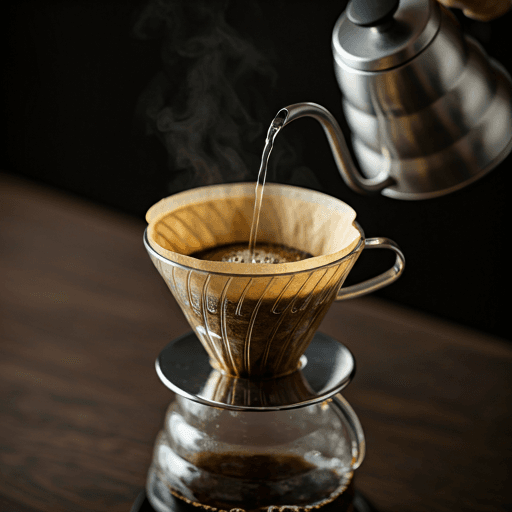
Cowboy coffee is coarse-ground coffee steeped straight in the pot, then settled so you can pour the clear coffee off the grounds. No filter, no paper, no machine. It is the original campfire coffee: one pot, water, grounds, and a heat source. Done well, it is clean, full-bodied, and genuinely good. Done carelessly, it earns its gritty, bitter reputation. The difference is almost entirely two things, the water temperature and how you settle the grounds, and both are easy once you know the moves.
What is cowboy coffee?
Cowboy coffee is a no-equipment immersion brew. You combine coarse grounds and hot water in a pot or kettle, let them steep, drop the grounds to the bottom, and pour. There is no barrier between coffee and water, which is exactly why it tastes rich and a little rustic. It is the simplest way to brew with almost nothing, which is why it belongs on a campfire, a camp stove, or a kitchen stovetop when the gadgets are packed away. For the bigger picture of brewing methods, see our overview of how to make coffee.
It is a close cousin of the French press, another full-immersion method, with one key difference: the press has a metal mesh that pushes the grounds down and holds them there. Cowboy coffee has no plunger, so gravity and a couple of old tricks do the filtering for you.
What you need
- A pot or kettle. An enamel camp pot, a saucepan, or a billy can all work. A spout helps you pour slowly.
- Water. Roughly 8 oz (about 240 ml) per cup.
- Coarse-ground coffee. Coarse is non-negotiable here; it is the single biggest factor in a clean cup. Think the texture of coarse sea salt or breadcrumbs, the same grind you would use for a French press. Fine espresso grind will cloud the cup and over-extract. If you are grinding your own, learn more about what coffee beans are and how roast and grind affect the brew.
- A heat source. Campfire, camp stove, or stovetop.
- Optional: a splash of cold water for settling the grounds, and a mug.
How to make cowboy coffee, step by step
- Heat the water to a boil, then back off. Bring your water just to a boil, then pull the pot off the flame for about 30 seconds. You want it just off the boil, around 200°F (93°C), not a violent rolling boil. Boiling water scorches coffee and pushes out harsh, bitter flavors.
- Add the grounds. Stir in roughly 1 to 2 tablespoons of coarse grounds per 8 oz cup. Use the lower end for a milder cup, the higher end for strong camp coffee. Give it one good stir so every ground is wet.
- Steep, off the high heat, for 2 to 4 minutes. Keep the pot near the warmth but not boiling. Two minutes gives a lighter cup; four gives a bolder one. Resist the urge to let it sit on a roaring fire, that is what makes cowboy coffee taste burnt.
- Settle the grounds. This is the trick that separates good cowboy coffee from a mouthful of sludge. Add a small splash of cold water (about an ounce) to the pot. The cold water makes the grounds sink to the bottom. A gentle tap on the side of the pot, or simply two or three minutes of patience, helps them settle further.
- Pour slowly and decant. Pour in one smooth, slow motion so the settled grounds stay behind. Better yet, pour the coffee off into mugs or a second container rather than letting it keep sitting on the bed of grounds, which would over-extract and turn bitter.
Cowboy coffee ratio, temperature and time
| Element | Target | Why it matters |
|---|---|---|
| Grind | Coarse (sea-salt texture) | Settles fast, fewer fines in the cup |
| Ratio | 1–2 tbsp grounds per 8 oz (240 ml) | Controls strength; lower for milder |
| Water temp | ~200°F / 93°C (just off boil) | Avoids scorching and bitterness |
| Steep time | 2–4 minutes off high heat | Longer is bolder, not better past 4 min |
| Settle | Cold-water splash + 2–3 min rest | Drops grounds so you pour clear coffee |
If you want to dial in strength more precisely, our guide to coffee brewing ratios translates tablespoons into grams and explains how the coffee-to-water ratio shapes the cup across every method.
Tips to avoid bitter, gritty cowboy coffee
- Do not hard-boil for minutes. A long boil is the number-one mistake. Heat to boiling, then pull off and steep gently.
- Use a coarse grind. Fine grounds float, over-extract, and slip into your cup. Coarse settles cleanly.
- Settle, then pour, then move on. The cold-water splash works because cold water is denser and pulls the grounds down. Pour carefully and decant rather than letting the pot sit.
- Mind the spout. Pour low and slow. Sudden tilting stirs the grounds back up.
- Fresh, good coffee still matters. Simple gear does not mean forgiving coffee. A decent medium-to-dark roast suits the rugged style well.
Variations on cowboy coffee
The egg-clarification method
The classic old-timer trick is to stir a whole egg, shell and all, into the grounds before brewing. As it heats, the egg proteins coagulate and clump together with the coffee grounds in a process called flocculation. The clumps sink and drag the fine particles down with them, leaving a remarkably clear, smooth, less bitter brew. The same technique survives in Scandinavian and American Midwest church-basement "egg coffee." It sounds odd; it works.
Scaling for a crowd
Cowboy coffee scales beautifully because there is no filter to clog. For a group, simply use a bigger pot and keep the same ratio of about 1 to 2 tablespoons per cup of water. Add a slightly longer settle time, since a deeper pot takes a moment more for the grounds to drop.
A cleaner cup with a bandana
If you want to skip the grit entirely, pour the finished coffee through a clean bandana, a square of cheesecloth, or any tightly woven cloth stretched over a mug. It catches the stray grounds without any special equipment, giving you a cleaner cup while keeping the whole brew gear-free.
Why people still brew cowboy coffee
Cowboy coffee endures because it is honest and almost foolproof once you respect the temperature and the settle. It needs nothing you cannot fit in a backpack, it works anywhere there is fire and water, and the immersion style gives a heavier, more textured cup than a paper-filtered brew. Treat it as its own method, not a compromise, and it rewards you. Next time you are home, try the same coarse grounds in a French press to taste how a mesh filter changes the same immersion, or explore other ways to make coffee and find your favorite.