
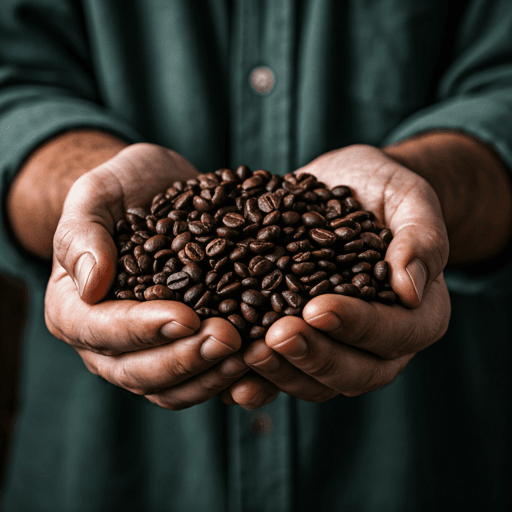
If you want to know how to brew cacao, the short answer is simple: steep or gently simmer cacao husks (the papery shells left after cacao beans are cracked) or crushed cacao nibs in hot water for several minutes, then strain out the solids. What you pour is brewed cacao - a light-bodied, coffee-coloured, naturally chocolatey drink that is caffeine-light and leans instead on theobromine, cacao's gentle stimulant. You can brew it like tea, in a French press, or through a drip filter.
Below is everything you need: what brewed cacao actually is, what to have on hand, three brewing methods step by step, ratios and grind, hot versus iced, a note on theobromine, and how to store your husks or nibs so they stay fresh.
What brewed cacao is (and how it differs)
Cacao is the roasted seed of the Theobroma cacao tree, first cultivated thousands of years ago in Mesoamerica, where the beans were ground and whisked into bitter, frothy drinks long before sugar and milk entered the picture. Brewed cacao borrows that same raw material but treats it like a loose-leaf infusion: you extract flavour and aroma into water, then discard the grounds.
Brewed cacao vs hot cocoa
The difference comes down to what ends up in your cup. With hot cocoa you whisk cocoa or chocolate powder into hot milk, sweeten it, and drink the solids - the powder stays suspended in the liquid, so the drink is thick, rich, and often high in sugar. With brewed cacao you brew and strain: the husks or nibs steep in the water and are then removed, leaving a thin, tea-like liquid with real chocolate aroma but almost none of the body, fat, or sweetness of a mug of cocoa.
Brewed cacao vs coffee
Brewed cacao is often reached for as a caffeine-light alternative to coffee. An 8 oz (about 240 ml) cup of brewed cacao carries only around 12-15 mg of caffeine, versus roughly 95 mg in the same-size drip coffee, while still delivering that familiar dark-chocolate note. If you are exploring gentler stand-ins for your morning cup, brewed cacao sits alongside other popular swaps - see matcha coffee explained, what is chicory coffee, and mushroom coffee explained for how each one compares.
What you need to brew cacao
The ingredient list is short:
- Cacao husks or crushed cacao nibs - husks (also sold as cacao shells or cacao tea) give the lightest, most delicate cup; nibs give a deeper, more roasted flavour. Either works.
- Hot water - fresh, just off the boil, around 95-100 C / 200-212 F.
- Optional add-ins - a splash of milk or plant milk for body, a little sweetener, or a pinch of cinnamon, cardamom, or vanilla to lean into the chocolate character.
For kit, anything you already use for tea will do: a teapot with a strainer, a French press, or a small saucepan and a fine mesh sieve.
How to brew cacao, step by step
All three methods start the same way - measure your cacao, heat your water - and differ mainly in time and intensity. Pick the one that matches the cup you want.
Method 1: Steep it like tea (lightest cup)
- Measure 2 to 3 teaspoons of cacao husks or crushed nibs per 8 oz (240 ml) of water into a teapot or mug.
- Bring water to a near boil and pour it over the cacao.
- Cover and steep for 4 to 6 minutes - longer for a stronger, darker cup.
- Strain out the husks or nibs and serve. Add milk or sweetener to taste.
Method 2: Simmer for a bolder cup
Simmering pulls more flavour and colour from the solids, which suits nibs especially.
- Add your measured husks or nibs and the water to a small saucepan.
- Bring to a gentle boil, then reduce the heat.
- Keep the pan covered and simmer for 8 to 10 minutes.
- Pour through a fine strainer or a French press to catch every last piece.
Method 3: French press
- Add 2 to 3 teaspoons of husks or crushed nibs per cup to the empty press.
- Pour in water just off the boil and give it a quick stir.
- Set the lid on top without plunging and let it steep 8 to 12 minutes.
- Press the plunger down slowly and pour. The mesh does the straining for you.
A quick reference for how the three methods compare:
| Method | Time | Body & flavour |
|---|---|---|
| Steep like tea | 4-6 min | Lightest, delicate, tea-like |
| Simmer on the stove | 8-10 min | Bolder, deeper chocolate, fuller |
| French press | 8-12 min | Medium-full, clean, easy to strain |
Ratios and grind
A reliable starting ratio is 2 to 3 teaspoons of cacao per 8 oz (240 ml) of water. Use the lower end for a subtle, tea-like cup and the higher end when you want the chocolate to come forward. Because husks are lighter and more surface-heavy than nibs, they release flavour quickly; whole nibs are denser, so crushing or coarsely grinding them first - roughly the texture of coarse coffee grounds - helps the water reach more of the bean and gives you a fuller extraction. If you like tuning strength by weight rather than spoons, the same logic behind coffee brewing ratios applies here: more solids, or a longer steep, means a stronger cup.
Hot vs iced brewed cacao
Brewed cacao is lovely hot, but it makes an easy iced drink too. The trick is to brew it stronger than usual so melting ice does not water it down: use the higher end of the ratio, or steep a minute or two longer, then let the brew cool and pour it over a glass of ice. You can also freeze leftover brewed cacao in an ice-cube tray and drop the cubes into milk or more cacao. A cacao tea recipe scales up nicely, so brewing a larger batch to chill in the fridge is a simple way to keep iced cups on hand all week.
A note on theobromine (and your pets)
Cacao's lift comes mostly from theobromine rather than caffeine. Cacao holds several times more theobromine than caffeine, and many people describe theobromine as a milder, slower, more even sort of stimulant than the caffeine in coffee - though responses vary from person to person, and this is not medical advice. If you are pregnant or breastfeeding, or you take any medication, it is worth checking with your own healthcare provider before making cacao a daily habit.
One firm rule: keep cacao away from pets. Theobromine is toxic to dogs (and cats), and used or dry husks and nibs are just as much of a hazard as a chocolate bar, so store them - and compost the spent grounds - well out of reach.
How to store cacao husks and nibs
Dry cacao husks and nibs keep well when they are protected from their three enemies: air, moisture, and light. Transfer them to an airtight container or a well-sealed bag and keep it somewhere cool, dark, and dry - a pantry or cupboard is ideal, away from the heat of the stove. Stored this way they generally stay fresh and aromatic for up to a year; give them a sniff before brewing, and if the chocolate smell has faded or turned flat, it is time for a new bag. Brewed cacao you have already made will keep in the fridge for up to about five days.
Once you have a method you like, brewing cacao rewards a little experimentation. Play with the ratio, the steep time, and add-ins until the cup tastes the way you want - lighter and more tea-like, or dark and almost coffee-adjacent. It is one of the friendliest ways to enjoy real chocolate flavour in a warm, low-caffeine drink.