
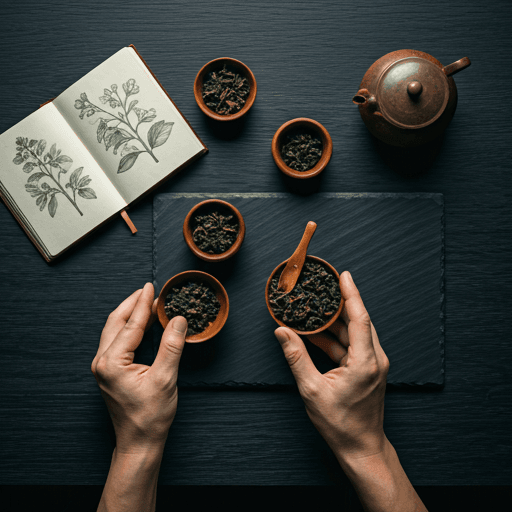
So, how much linden tea per day is reasonable? For most people who enjoy this gentle, caffeine-free herbal infusion, the honest answer sits somewhere around one to three cups a day, frequently a single cup in the evening as a quiet wind-down ritual. There is no official, universally fixed limit for linden (also called lime-flower or tilleul) tea, sensitivity varies from person to person, and some situations make it unsuitable — so moderation, plus a chat with your own healthcare provider, is the sensible starting point.
Below we unpack that range: why an evening cup is so common, why the right amount is genuinely personal, who should check before making it a daily habit, and a few practical ways to keep things light. Responses vary, this is general information rather than medical advice, and nothing here replaces guidance tailored to you.
How much linden tea per day is typical?
As a loose, non-medical rule of thumb, many linden-tea drinkers land at roughly one to three cups across a day. Plenty of people have just one cup, usually later in the day; others spread two or three lighter cups through the afternoon and evening. None of those numbers is a hard ceiling or a target you need to hit — they simply reflect how the tea tends to be enjoyed rather than any authoritative daily allowance. You will sometimes see writers suggest keeping it to no more than about four cups, but even that is a rough steer, not a rule.
Because there is no single official limit, the best gauge is how you feel. If a cup leaves you comfortable and content, that is a good sign your amount suits you. If you notice anything that feels off, ease back or pause and speak with a professional. Treat one to three cups as a gentle frame, not a prescription — and when in doubt, less is the safer default.
Why people sip linden tea in the evening
Linden tea carries a long-standing, cozy reputation as an evening or before-bed cup. Its aroma is soft and honey-floral, the flavor is mild and lightly sweet, and the ritual of cradling a warm mug is soothing in itself — which is a big part of why so many people reach for it to unwind at the end of the day. This is a comfort-and-ritual story, not a medical one: think of it the way you might think of any warm, caffeine-free drink you enjoy while slowing down.
If you are curious about other calming, caffeine-free options that tend to show up in the same evening slot, our roundup of the best herbal teas for winding down at night is a friendlier place to browse than piling more and more linden into one evening. Variety keeps the ritual interesting and naturally spreads out how much of any single herb you drink.
Why "how much" is personal
The reason nobody can hand you one perfect number is that several things move the goalposts at once. How you brew matters: a heaped spoon of flowers steeped for a long time makes a much more intense cup than a light, quick infusion, so one strong cup can feel like plenty while two delicate ones might not. Individual sensitivity matters too — some people simply notice herbal teas more than others. And ordinary differences in body size, hydration, and daily routine all nudge the comfortable amount up or down.
This is the same reality behind other single-herb bedtime brews. If you also drink chamomile, you will find the thinking in our guide to how much chamomile tea to drink per day mirrors linden closely: a sensible everyday range, heavy hedging, and a strong listen-to-your-body message rather than a fixed dose.
What changes how much linden tea suits you
Here is a quick reference for the factors that most often shift the right amount from one person to the next:
| Factor | Why it changes how much suits you |
|---|---|
| Brew strength | A long steep or a generous amount of flowers makes a more intense cup, so one strong cup can feel like enough where a light one would not. |
| Individual sensitivity | Some people notice herbal infusions more than others; if you are sensitive, start low and go slowly. |
| Body size and hydration | Everyone's fluid needs differ, and each cup counts toward your daily liquids alongside water and other drinks. |
| Time of day | An evening wind-down cup plays a different role than sipping through the afternoon, which affects how many you actually want. |
| Health context and medicines | Certain conditions or medications can make linden tea unsuitable, so your situation may lower the right amount to zero until you have checked. |
| Habit vs. occasional | An occasional cup is a smaller consideration than a heavy, long-term daily habit, which is where the usual keep-it-moderate caution applies. |
Who should ask a provider first
For most healthy adults, an ordinary cup or two of linden tea is treated as a mild, everyday pleasure. Some people, though, should check with their own healthcare provider before making it a regular habit — ideally before the first cup. That list commonly includes anyone who is pregnant or breastfeeding, people living with a heart condition, anyone taking prescription medication (herbs can interact with medicines in ways that are easy to overlook), and parents thinking about giving it to children, whose needs are different from adults'.
You will also see a widely repeated caution about very heavy, long-term daily use of linden specifically. The details are beyond the scope of a per-day guide and are exactly the kind of thing a professional can weigh for your circumstances — but the practical takeaway is simple and non-medical: keep it moderate, avoid turning it into an all-day, every-day, many-cups habit, and treat any personal concern as a reason to ask rather than guess. Responses vary, and this is general information, not medical advice.
A quick word on caffeine
One thing that makes the "how much" question easier is that linden tea is naturally caffeine-free. It comes from the flowers of the linden (lime) tree rather than the tea plant, so the amount you drink is a question about the herb itself, not about managing a stimulant. That is why an evening cup is so popular and why caffeine timing is not really part of this conversation. For the full picture, see our short explainer on whether linden tea has caffeine.
Practical tips for keeping it moderate
If you want a simple, low-drama way to enjoy linden without overthinking it, a few habits help:
- Start with one cup. Begin with a single, lightly brewed cup — often in the evening — and see how you feel before adding more on another day.
- Brew lighter, not longer. Using fewer flowers or a shorter steep gives you a pleasant cup with a milder intensity, which makes moderation effortless.
- Rotate your herbs. Alternating linden with other caffeine-free infusions keeps any one herb from becoming an all-day default.
- Let taste and comfort lead. If a cup tastes great and leaves you feeling good, that is your signal; if not, ease off.
We have deliberately kept this focused on amount rather than the plant itself. If you want the background — what linden is, its flavor, and the traditions around it — that belongs in our overview of linden tea and its uses, which pairs nicely with this per-day guide.
The bottom line
So, how much linden tea per day? A common, comfortable range is about one to three cups, with many people happiest with a single evening cup — but there is no official fixed limit, the right amount is personal, and some people should check first. Keep it moderate, brew on the lighter side, pay attention to how you feel, and talk to your healthcare provider about your own situation. Responses vary, this is general information rather than medical advice, and your provider's guidance always comes first.