
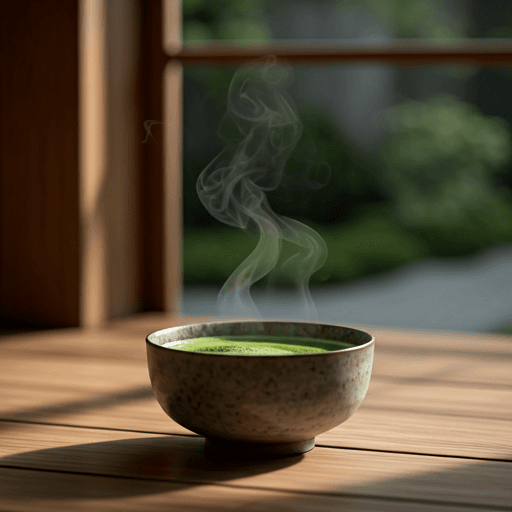
If you are wondering how much holy basil tea per day is reasonable, the short and honestly hedged answer is this: there is no official daily limit, but people who enjoy this caffeine-free herbal tisane tend to drink roughly 1 to 3 cups a day, and many start with just one. Holy basil — better known as tulsi, from the plant Ocimum tenuiflorum (sometimes written Ocimum sanctum) — is a herbal infusion rather than a true tea, so "how much" comes down to personal tolerance far more than any fixed number.
Below we walk through why that gentle range is the usual starting point, why there is no caffeine ceiling to worry about, what a cup actually tastes like, and how to find your own comfortable amount. For the wider story of what tulsi is and why people reach for it, see our companion guide on holy basil (tulsi) tea benefits — here we stay focused on the daily-amount question.
How much holy basil tea per day? The short answer
For most people who simply enjoy the flavor, about 1 to 3 cups a day is a common, gentle range. That is not a prescribed dose — it is just where a lot of regular tulsi drinkers land. If you are new to it, one cup a day is a sensible place to begin. From there you can decide whether you want a second cup, perhaps one in the morning and one later on.
The reason the answer is a range rather than a hard number is that tulsi is a herbal tisane. There is no caffeine to keep a lid on, and there is no universally agreed maximum. So the honest framing for how many cups of tulsi tea a day suits you is: as many as feel comfortable, within a modest everyday range, while paying attention to how your body responds. Responses vary from person to person, and none of this is medical advice.
Why there is no caffeine cap on tulsi tea
One reason people ask about a daily amount at all is caffeine — with black tea, green tea, or coffee, the caffeine content naturally sets a practical ceiling. Tulsi is different. It is brewed from the leaves of the holy basil plant, not from Camellia sinensis, the plant that gives us true tea. That means a plain tulsi infusion is naturally caffeine-free. We cover this in more depth in does holy basil tea have caffeine, and you can read more about the category as a whole in what is herbal tea.
Because there is no caffeine, the usual "cut yourself off by early afternoon" logic does not apply in the same way. Plenty of people happily sip tulsi in the evening. That is part of why the daily amount is so individual: without a stimulant to pace, the limit is mostly about taste, how your stomach feels, and simple moderation rather than a caffeine budget. One caveat worth flagging: some blends mix tulsi with green or black tea, which would add caffeine, so check the label if that matters to you.
What a cup of tulsi tea is like
Tulsi has a distinctive flavor: warm and aromatic, with a clove-like, faintly peppery edge and a mild, slightly sweet herbal finish. It is more savory and spiced than a soft floral tea like chamomile, though still gentle on the palate. Some tulsi is sold as a single herb; other blends fold in spearmint, ginger, lemongrass, or a little lemon for a brighter cup.
As a light brewing note — not a rigid recipe — you can pour freshly boiled water over about a teaspoon of dried tulsi leaves (or a tea bag) and let it steep for a few minutes, then strain. A longer steep pulls out more of that clove-and-pepper character, while a shorter one keeps things soft. Fresh tulsi leaves work too, and a slice of lemon or a touch of honey rounds it off nicely. Because it is caffeine-free, there is no penalty for a longer steep beyond a stronger, more herbaceous taste.
How to start and adjust your daily amount
The simplest approach to figuring out how much tulsi tea per day works for you is to start low and pay attention. Begin with one cup a day for a little while and notice how you feel — how you like the taste, how it sits with you, and whether you actually want more. If all is well and you enjoy it, adding a second cup is an easy next step, and some people settle into three spread across a day.
Spreading cups across the day
There is no need to rush to the top of the range. Think of the holy basil tea daily amount as something you ease into rather than a target to hit. If you love it as an evening wind-down drink, one relaxed cup at night may be all you want. If you like it as an all-day herbal sipper, spacing a couple of cups between meals is perfectly ordinary.
Everyday moderation is the theme here. A cup with breakfast, one in the afternoon, and perhaps one in the evening is a comfortable rhythm for many regular drinkers, but it is not a rule to follow. This is general wellness framing, not a prescription — the "right" amount is simply the one that feels good to you on any given day.
A rough daily guide
The table below is a loose orientation, not a rule. Amounts that feel comfortable vary a lot by person, by how strong you brew, and by the day.
| Rough guide | Cups per day | Notes |
|---|---|---|
| A light start | About 1 cup | A gentle way to see how you like it; varies by person |
| A typical day | About 2 to 3 cups | Where many regular tulsi drinkers land, spread across the day |
| More than usual | More than 3 cups | Some do sip more; moderation and how you feel are the real guide |
If you already know how a mild herbal like chamomile fits into your day, the same easygoing logic applies here; you can compare notes with our guide on how much chamomile tea per day.
Who might want less, or to be cautious
A "listen to your body" approach covers most casual drinking. If a few cups leave you feeling anything but comfortable — an unsettled stomach, say — that is your cue to scale back. Everyone is different, and there is no prize for drinking more than you actually enjoy.
Some situations call for a little more care before making tulsi a daily habit. If you are pregnant or trying to conceive, or if you take regular medication such as blood thinners or diabetes medicine, it is worth checking with your own healthcare provider first, since herbs can interact with medicines and individual circumstances differ. The same goes if you have an existing health condition or are unsure for any reason.
This article is general information, not medical advice. Responses to any herbal tea vary from person to person, and questions about your own health, pregnancy, medications, or a specific condition are best answered by a qualified healthcare professional.
Within those sensible bounds, tulsi is a pleasant, caffeine-free everyday drink. Find the daily amount that suits your taste and your body, start gently, and adjust from there.