
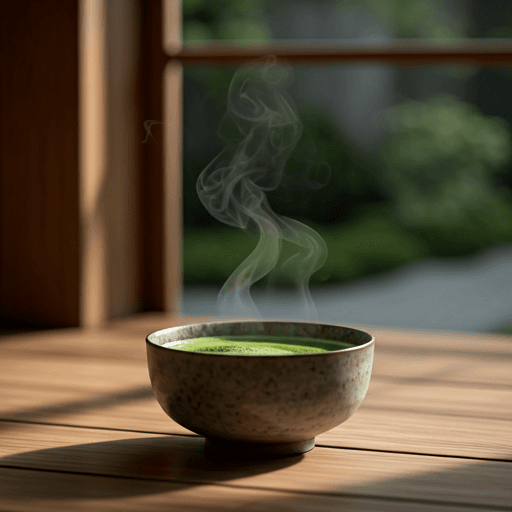
If you're wondering how much fenugreek tea per day is reasonable, the short version is that there's no single official limit. Most people who enjoy this nutty, maple-scented herbal infusion drink somewhere around 1 to 3 cups a day, and many start with just one. Fenugreek tea is a caffeine-free tisane made by steeping or simmering the seeds of Trigonella foenum-graecum, so there's no caffeine ceiling to bump against; how much you sip comes down mostly to personal taste and comfort.
Below is a gentle, non-medical guide to a typical daily range, why the caffeine question doesn't really apply, what a cup tastes like, and how to ease in. For the wider story of what the drink is often used for, see our companion guide to fenugreek tea benefits.
How much fenugreek tea per day: the short answer
There is no universally agreed "correct" number of cups. As a caffeine-free herbal tea, fenugreek doesn't carry the same daily-limit conversation that coffee or true tea do. In everyday practice, a common and gentle range looks like this:
- A light start: about 1 cup a day while you see how you like the flavor and how your body responds.
- A typical day: roughly 1 to 2 cups, spread out however suits you.
- More than usual: some people enjoy up to about 3 cups, though this is very individual.
People often phrase it as how many cups of fenugreek tea a day feels sensible, or ask for a fenugreek tea daily amount they can rely on. The honest answer is that the daily amount is flexible: there's a soft, comfortable range rather than a fixed dose. These numbers are a rough orientation, not a prescription. Responses vary from person to person, and this is general information rather than medical advice. If you have questions about your own situation, a healthcare provider is the right person to ask.
| How you drink it | Rough guide (cups a day) | Notes — varies by person |
|---|---|---|
| A light start | About 1 cup | A good way to meet the flavor and notice how you feel. |
| A typical day | About 1 to 2 cups | A comfortable everyday rhythm for many people. |
| More than usual | Around 3 cups | Some enjoy this; it's very individual, so listen to your body. |
Why there's no caffeine cap
The reason "how much" is largely a matter of taste is that fenugreek tea isn't tea in the botanical sense at all. Black, green, oolong and white teas come from the Camellia sinensis plant and naturally contain caffeine, which is why people often watch their cup count. Fenugreek tea, by contrast, is a tisane — an infusion of a seed rather than the tea leaf — so it's naturally caffeine-free. If you'd like the fuller picture of how these seed, leaf and flower infusions differ, our guide to herbal tea walks through the whole family.
Because there's no caffeine to tally, the usual caffeine-based reasons for a hard daily limit simply don't apply here. That's the same logic behind other mild botanical infusions; you'll see a similar "start low, sip to comfort" theme in our notes on how much chamomile tea per day and how much nettle tea per day.
What a cup is like, and a light brewing note
Fenugreek seeds are small, hard and golden, and they carry a distinctive aroma often described as warm maple syrup with a nutty, faintly bitter edge. Brewed into tea, the liquor is pale gold to amber, mellow and a little savory-sweet — quite unlike a grassy green tea or a brisk black tea. The taste is part of why people settle on their own comfortable number of cups: it's a soothing, low-key drink rather than a jolt.
Because the seeds are hard, they need a little more coaxing than a delicate leaf. A common, relaxed approach: add roughly a teaspoon of seeds to a cup of just-off-boil water (around 90 to 95 C / 195 to 205 F) and let them steep for several minutes — many people go 5 to 10 minutes for more flavor. Some prefer to soak the seeds beforehand, or gently simmer them for a few minutes on the stove, to soften them and draw out more of that maple character. Straining before you drink is common, though the softened seeds are edible. Treat this as a starting point rather than a rigid recipe; a little sweetener, lemon or ginger is a popular way to round out the slight bitterness.
How to start and adjust your daily amount
The simplest approach is to begin with a single cup and pay attention to how you feel and how much you enjoy the taste. If you like it and feel fine, you might add a second cup on another day. There's no need to rush to three; the "right" amount is the one that sits comfortably with you.
As for how often to drink fenugreek tea, there's no strict schedule. Some people have a cup most mornings, others reach for it only now and then. Daily is fine for many, but taking a break whenever you like is equally reasonable — consistency isn't required for a caffeine-free tisane you drink for pleasure.
One quirk worth knowing: fenugreek contains an aromatic compound (sotolon) that some people notice as a faint maple-syrup smell in sweat or urine after drinking it regularly. This is a commonly reported, generally harmless curiosity rather than a cause for alarm — but as always, if anything feels off for you, check with your own healthcare provider.
A few practical habits help: spread your cups across the day rather than drinking them all at once, keep water alongside, and note how your stomach feels, since concentrated herbal infusions can be a lot for some people at first. If a cup ever tastes unpleasantly bitter, you've likely steeped it too long or used too many seeds — ease back next time.
Who should be more cautious
Fenugreek is an ordinary culinary seed for most people, but a few groups have good reason to check with a healthcare provider before making it a daily habit — and to be more conservative about how much they drink:
- Pregnancy: if you are pregnant or planning to be, talk to your provider before drinking fenugreek tea regularly.
- Blood-sugar or blood-thinning medication: because fenugreek may interact with some medicines, anyone taking blood-sugar or blood-thinning treatments should ask their own doctor or pharmacist first.
- Legume-family allergies: fenugreek is a legume, botanically related to chickpeas and peanuts, so people with a chickpea or peanut allergy should be careful and seek advice before trying it.
- Anyone unsure: if you have an ongoing health condition or take regular medication, a quick word with a professional is the safest way to decide what's right for you.
None of this is meant to scare you off a pleasant cup — it's simply the honest picture. Fenugreek tea is enjoyed casually around the world, and for most people a cup or two a day is an easy, caffeine-free ritual that asks very little.
The bottom line
So, how much fenugreek tea per day? A gentle, common range is about 1 to 3 cups, with one cup a comfortable place to begin and no caffeine limit to keep score of. Let taste and how you feel guide the number, brew the seeds a little longer than you would a leaf tea, and check in with a healthcare provider if pregnancy, medication or legume allergies apply. Responses vary from person to person, and this is general information, not medical advice — but within those sensible edges, fenugreek tea is a warm, maple-scented drink you can enjoy on your own terms.