
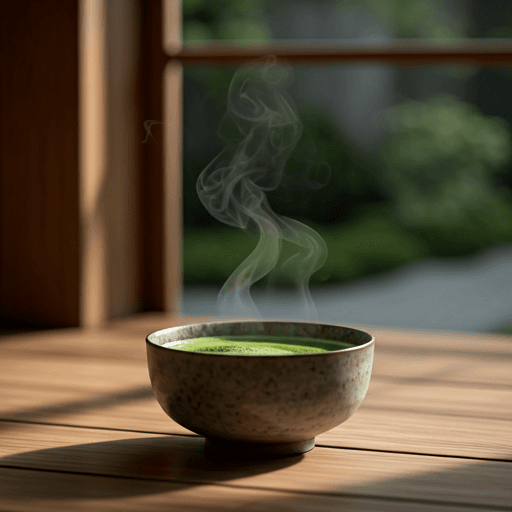
How much nettle tea per day comes down to a simple starting point: because nettle (stinging nettle) tea is naturally caffeine-free, there is no caffeine ceiling forcing you to stop after a set number of cups. Most people comfortably sip about one to three cups a day, and the real limit is your own tolerance and the nettle itself rather than any stimulant. Below we unpack a sensible range, what actually caps it, and when it is worth checking with a professional first.
How Much Nettle Tea Per Day: The Short Answer
For most healthy adults, roughly one to three cups a day is a common, comfortable nettle tea daily amount. Some people happily drink a single cup as part of a morning or evening routine; others spread two or three across the day. Because there is no caffeine to keep count of, the number is guided by how your body feels rather than by a stimulant budget.
Strength matters too: a light five-minute steep is gentler than a strong, ten-minute, mineral-heavy brew, so three mild cups can feel easier going than two very strong ones. If you have ever wondered whether the caffeine question caps it, it does not — nettle leaf infusions contain essentially no caffeine, which we cover in detail in does nettle tea have caffeine. That single fact is why "how many cups of nettle tea a day" has a looser answer than it would for black tea or coffee.
Why Caffeine Is Not the Limit
Nettle tea is not a "true tea" at all. Black, green, oolong and white teas all come from the Camellia sinensis plant and carry caffeine. Nettle tea is a herbal tisane — an infusion made from the leaves of the stinging nettle plant (Urtica dioica), which has nothing to do with the tea bush. You can read more about that whole family in what is herbal tea.
Because a tisane like nettle carries no caffeine, the usual reason to cap a caffeinated drink — jitters, a racing heart, disturbed sleep — simply does not apply here. That is what people usually mean when they ask how much nettle tea is safe: the honest answer is that caffeine is not the thing setting the limit.
What Actually Limits How Much Nettle Tea to Drink
If caffeine is off the table, what sets the ceiling? A few practical things:
- Nettle's mild diuretic tendency. Nettle is traditionally described as gently diuretic, meaning very large amounts may simply send you to the bathroom more often. This is a reason moderation makes sense, not a therapeutic claim, and it is worth keeping plain water going alongside it.
- Possible interactions. Nettle may interact with certain medicines, so "more is better" is the wrong instinct. A cup or two is very different from steeping strong brews all day long.
- Your own tolerance. Some stomachs are happier with herbal infusions than others. Start with one cup and see how you feel before building a bigger daily habit.
In other words, the sensible ceiling is the nettle plant and your own body, not a caffeine number. Treat one to three moderate cups as a comfortable range and only nudge upward if it clearly agrees with you.
Nettle Leaf vs Nettle Root
Most cups of "nettle tea" are made from the dried leaf, which is the grassy, green everyday drink this guide is about. Nettle root is a different part of the plant, used in different preparations and studied for different reasons, and it is not the same thing as your daily leaf infusion. If you want the deeper dive on the plant, its flavor and how people use it, see nettle leaf tea benefits. For the "how much per day" question, assume we mean leaf tea unless a product label says otherwise.
What Nettle Tea Tastes Like and How to Brew It
Nettle leaf tea tastes green, grassy and vegetal — many people compare it to spinach or a mild steamed-greens broth. It is earthy rather than sweet or floral, which is why some drinkers add lemon, honey or mint, or blend it with peppermint or ginger.
To brew a standard cup, use about one to two teaspoons of dried nettle leaf (or a tea bag) per cup, pour over just-off-the-boil water, and steep for around five to ten minutes, covered, then strain. A longer steep gives a stronger, more mineral, more "green" cup. Fresh nettle can also be used, but it must be handled with gloves and blanched or steeped, since drying and hot water neutralize the sting. Store dried nettle somewhere cool and dark and it will keep its grassy character for months. However you brew it, the caffeine content stays essentially nil.
Start Low If You Are New to It
If nettle is new to your routine, begin with a single cup a day for the first several days. That lets you notice how it sits with your stomach, whether you like the flavor, and whether the mild diuretic tendency is noticeable for you. From there, many people settle comfortably into one to three cups a day. Keeping a simple mental note of how many cups you had and how you felt makes it easy to find your own comfortable ceiling, and there is rarely any reason to rush past that range just because caffeine is not stopping you.
How It Compares to Other Daily Herbals
Nettle behaves like most everyday caffeine-free herbals: the guideline is a gentle "a few cups a day" rather than a hard cap. That is similar to how we frame how much hibiscus tea per day, where the caffeine question is also moot and the real considerations are the plant's own character and personal tolerance. If you already rotate through herbal cups, nettle slots in the same way — there is no need to subtract it from a caffeine allowance. The common thread across these tisanes is simple: enjoy them as pleasant daily drinks, keep the amount moderate, and let your body rather than a stimulant set the pace.
A Light Note on Why People Drink It
People reach for nettle the way they would any leafy green infusion — as an earthy, everyday cup that feels wholesome and grounding. Traditional herbal lore has long associated nettle with a "spring tonic" idea, but the modern research is limited and mixed, so it is best enjoyed as a nice drink rather than treated as a remedy. We are deliberately not making health promises here; think of it as a green, vegetal tea you happen to like.
Safety: Who Should Ask a Doctor First
For most people a cup or two of nettle tea is an easygoing daily drink, but a few groups should get personalized advice before making it a habit. If you are pregnant or breastfeeding, take diuretics, blood thinners, blood-pressure or diabetes medication, or have kidney concerns, ask your own healthcare provider before drinking nettle tea daily. The same goes if you have a known plant allergy or notice any reaction. Responses vary from person to person, and this article is general information, not medical advice.
The takeaway is reassuring and low-stakes: with no caffeine to police, how much nettle tea per day is really a question of taste, comfort and common sense. Around one to three moderate cups suits most people, you start low and adjust, and you loop in a professional if a medication or condition puts you in one of the caution groups. Beyond that, it is simply a green, grassy cup to enjoy at whatever pace feels good.