
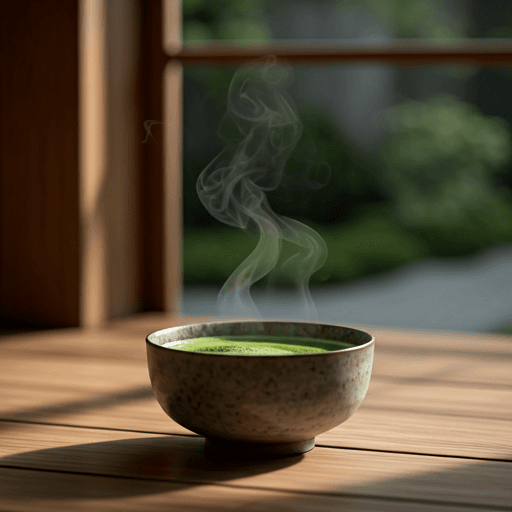
If you are wondering how much calendula tea per day feels reasonable, the short and honest answer is that there is no official limit. Most people who enjoy this mild, golden infusion of pot-marigold (Calendula officinalis) petals settle into a gentle range of about one to three cups a day, and many begin with just a single cup. Because calendula tea is a caffeine-free herbal tisane rather than a true tea from the Camellia sinensis plant, "how much" is really a question of personal taste and tolerance rather than a fixed number.
How much calendula tea per day: the short answer
For a caffeine-free herbal infusion like calendula, the everyday range that most people find comfortable is roughly one to three cups a day. Think of that as a rule of thumb for taste and habit, not a medical dose, and remember it varies from person to person. A single cup in the afternoon is a common way in. Some drinkers build up to two or three across a day, spacing them out the way you might with any warm, soothing drink.
There is no caffeine ceiling to bump against here, so the number that suits you is mostly about how the flavor sits with you and how your body responds. If your real question is about the stimulant side of things, that belongs to a separate topic, and you can read the full picture in does calendula tea have caffeine. The practical upshot for planning your day is simple: calendula will not keep you up the way a strong coffee might, so "how many cups of calendula tea a day" leans on preference rather than a hard limit.
It also helps to remember that a "cup" is not a precise measurement. A light three-minute steep and a deeper five-minute steep are both a cup, but they land differently on the palate, so two gentle cups can feel more modest than one very strong one. If you like your tea on the stronger side, you might naturally settle at the lower end of the range; if you keep it light, more cups can feel perfectly easy. None of this is a rule, just a reminder that taste and strength matter as much as the raw number.
Why there is no caffeine cap
The reason there is no set daily maximum comes down to what calendula tea actually is. It is a flower tisane, an infusion of dried marigold petals in hot water, not a leaf tea from the Camellia sinensis plant that gives us black, green, oolong and white tea. That distinction matters, because the caffeine in ordinary tea and coffee is the main reason those drinks come with loose "a few cups a day" guidance. Calendula has no such built-in ceiling to work around.
If the whole category is new to you, our overview of what herbal tea is explains how tisanes differ from true teas, and caffeine-free tea explained walks through why flower and herb infusions sit outside the usual caffeine math. The short version: with no caffeine to track, you are free to let taste, comfort and simple moderation guide the calendula tea daily amount that feels right for you.
What a cup of calendula tea is like, and how to brew it
Calendula tea is gentle and lightly floral, with a soft, slightly earthy character and a warm golden-orange color that comes straight from the petals. It is not bold or bitter the way a strong black tea can be, which is part of why people happily sip it through the day. The flavor is mild enough that some drinkers add a slice of lemon or a little honey, though plenty enjoy it plain and unadorned.
Brewing is simple and forgiving. A light approach: add about a tablespoon of dried calendula petals, or a tea bag, to a cup, pour over just-off-boil water, and let it steep for a few minutes, roughly three to five, to taste. A longer steep deepens the color and the herbal note; a shorter one keeps things delicate. Strain out the petals and it is ready. There is no rigid recipe to follow, so treat those numbers as a friendly starting point rather than a rule to obey.
How to start and adjust
The sensible way to find your own answer to how much calendula tea per day suits you is to start low and pay attention. Begin with one cup, notice how you feel and how much you enjoy it, and only add a second or third cup on days when you genuinely want more. Because responses to any herbal drink vary from person to person, there is no single "correct" number that applies to everyone, which is why the "start with one and see" habit is such a useful default.
This start-slow approach is common across mild herbal infusions. If you have ever eased into a bedtime cup of chamomile the same way, the thinking in how much chamomile tea per day will feel familiar: a gentle floral tisane where personal comfort, not a fixed count, sets the pace. As for how often to drink calendula tea, spreading cups across the day rather than drinking several in one sitting is an easy way to keep things comfortable and to notice how each one lands.
A few small things can nudge your personal number one way or the other. Whether you are brand new to the flavor, how strong you brew it, whether you drink it plain or with lemon and honey, and simply how much warm liquid you enjoy in a day all play a part. On a cold, slow afternoon two or three cups might feel just right; on a busy day a single cup may be all you reach for. There is no need to hit a target, and skipping a day changes nothing. Let the drink fit around your routine rather than the other way round.
Here is a rough, hedged guide to how the cups might stack up on a given day. These are general reference points, not targets, and the right amount varies by person.
| Rough guide | Cups per day | What it looks like |
|---|---|---|
| A light start | About 1 cup | A single cup to see how you like the flavor and how you feel; varies by person |
| A typical day | About 2 cups | One in the morning or afternoon and another later, spaced out |
| More than usual | About 3 cups | An upper end some regular drinkers enjoy; listen to your own comfort |
One key safety note
There is one point worth flagging before you make calendula a daily habit. Calendula (pot marigold) belongs to the Asteraceae family, the same daisy and ragweed group that includes marigolds, ragweed, daisies and chamomile. People who are allergic or sensitive to plants in that family may react to calendula too, so it is worth being cautious if that describes you or anyone you are brewing for.
Beyond that, if you are pregnant, breastfeeding, taking any medication, or simply unsure whether calendula tea is a good fit for you, the best move is to check with your own healthcare provider before adding it to your routine. This article is general information about a drink, not medical advice; responses vary from person to person, and only a professional who knows your history can speak to your specific situation. Within those sensible limits, a cup or a few of this soft golden tisane is an easy, low-key thing to enjoy.