
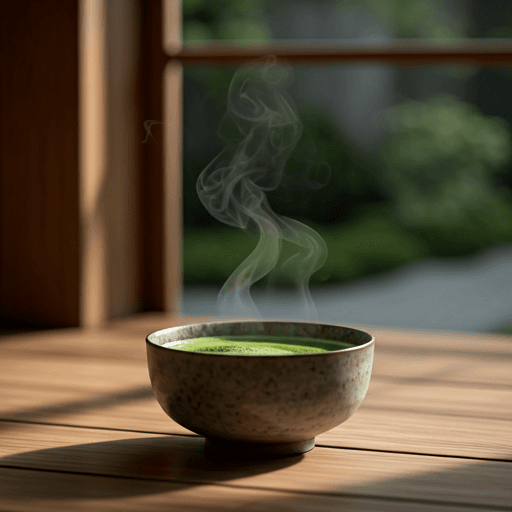
Does calendula tea have caffeine? The short answer is no. Calendula tea is naturally caffeine-free, because it is an herbal tea — a tisane — brewed from the golden petals of the calendula, better known as pot marigold, rather than from the caffeinated tea plant Camellia sinensis. So a plain cup of calendula tea contains essentially no caffeine of its own.
The short answer: does calendula tea have caffeine?
No. When people ask whether calendula tea has caffeine, the confusion almost always comes from the word "tea." In everyday language we call nearly any hot, steeped drink a tea, but only leaves and buds from the Camellia sinensis plant carry the caffeine found in green, black, white, oolong and pu-erh tea. Calendula tea is not made from that plant at all — it is an infusion of marigold flower petals, which is why it belongs to the herbal family and brings no caffeine of its own to the cup. If you want the wider picture of what that herbal family covers, we lay it out in our guide to what herbal tea is.
Why there is essentially no caffeine in calendula tea
The reason there is no meaningful caffeine in calendula tea comes down to botany. Caffeine is a compound the tea plant produces in its leaves and buds, largely as a natural defense. Flowers, roots, seeds, barks and most other plants used for infusions simply do not make it, or make it only in trace amounts far too small to notice. Calendula petals fall firmly into that caffeine-free camp. Steeping the dried petals in hot water draws out their color, aroma and gentle flavor, but there is no caffeine sitting in the petals to be extracted in the first place. This holds true no matter how you brew it: a longer steep or a heaping spoonful of petals will make a stronger, more golden, slightly more bitter cup, but it will not conjure caffeine that was never there. That is the key difference from true tea, where a longer steep really does pull out more caffeine. For a fuller look at which steeped drinks carry caffeine and which do not, our explainer on whether tea contains caffeine breaks it down plant by plant.
Why flower and herbal teas are naturally caffeine-free
Calendula sits alongside chamomile, hibiscus, rooibos, peppermint, lemon balm and dozens of other botanicals that are steeped like tea but come from something other than Camellia sinensis. Because none of them are the tea plant, none of them naturally contain caffeine. This is exactly why herbal infusions are so often reached for in the evening, or by anyone deliberately cutting back on caffeine. It is worth knowing that caffeine-free is not the same as decaffeinated: a decaf green or black tea started out with caffeine and had most of it removed, whereas calendula never had any to begin with. If you like sorting your cupboard by what will and will not keep you awake, our overview of caffeine-free tea maps out the whole naturally caffeine-free category.
A quick caffeine comparison
The table below shows the contrast between a flower tisane like calendula and the true teas made from the tea plant. Caffeine figures for real tea vary a great deal with the leaf, the amount used and the steep time, so please treat them as rough ranges rather than exact numbers.
| Tea type | Made from | Typical caffeine per cup |
|---|---|---|
| Calendula (marigold) herbal tea | Calendula flower petals — a tisane | Essentially none; caffeine-free |
| Green tea | Camellia sinensis leaves | Roughly 20-45 mg (varies widely) |
| Black tea | Camellia sinensis leaves | Roughly 40-70 mg (varies widely) |
The one caveat: check the label on a calendula blend
There is a single situation in which a "calendula" drink could carry caffeine: a blend. Some loose-leaf mixes and bagged products pair calendula petals with green tea, black tea or yerba mate for color, flavor or a gentle lift. In that case the caffeine comes from the added tea or mate, not from the marigold. If a cup needs to be caffeine-free, the simplest habit is to read the ingredient list. Plain calendula, or calendula mixed only with other herbs and flowers, stays caffeine-free; anything that lists green tea, black tea, white tea, oolong or yerba mate will not. When a label is vague or a café cannot tell you, it is reasonable to assume a little caffeine may be present rather than none.
What calendula tea is like
Calendula tea, sometimes sold simply as marigold tea, brews into a warm golden to amber cup — the petals give up their color quickly. The flavor is mild and easygoing: lightly floral with a soft, slightly earthy, faintly bittersweet edge, nothing as brisk as a black tea or as grassy as a green one. Many people steep about a teaspoon of dried petals for roughly 5 to 10 minutes in water just off the boil (around 90-95 C), then sip it plain or with a touch of honey or lemon. Because the base flavor is so gentle, calendula also blends comfortably with other caffeine-free botanicals such as chamomile, mint or lemongrass. It works cold too: brew it a little stronger, let it cool, and pour it over ice for a caffeine-free iced infusion with a sunny golden hue. None of this changes the caffeine answer — hot or iced, plain or blended with other herbs, calendula on its own stays caffeine-free.
Who chooses calendula tea, and when
Since marigold tea caffeine content is effectively zero, it is an easy pick for the times of day when you would rather not add a stimulant — an evening wind-down, a late-afternoon cup, or simply an anytime warm drink for people who are sensitive to caffeine or avoiding it. It slots naturally next to chamomile, rooibos and peppermint on the caffeine-free shelf. Some people are drawn to the sunny color and delicate floral note; others just want a comforting cup that will not sit between them and a good night's sleep. Because it is caffeine-free, there is no built-in cut-off time the way there might be with a strong black tea.
A light safety note
A couple of gentle points, and this is general information rather than medical advice. Calendula is part of the daisy family (Asteraceae), along with plants such as ragweed, marigold and chamomile, so anyone with a known allergy to those plants may want to be cautious or skip it. And if you are pregnant, breastfeeding, taking any medication, or simply unsure whether a new herbal tea suits you, it is best to check with your own healthcare provider before making it a habit. Responses vary from one person to the next, so treat any wellness talk you see about calendula lightly and let a professional guide anything health-related.
Tisane vs true tea
The neat way to remember all of this: calendula tea is a tisane, not a true tea. "True tea" means a drink made from Camellia sinensis — green, black, white, oolong or pu-erh — every one of which contains caffeine. A tisane is any other plant infusion, from flowers and leaves to roots and seeds, and it is caffeine-free unless something caffeinated is deliberately added. So is calendula tea caffeine free? Yes, as long as it is plain calendula or a herbs-only blend. For more on that distinction, and why the wording on a box actually matters, see our explainer on what a tisane is.