
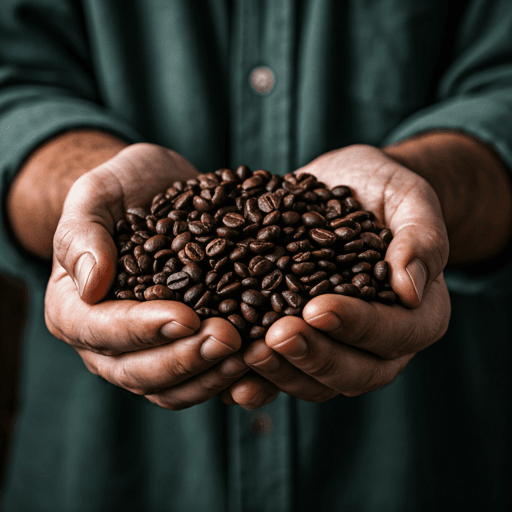
Home coffee roasting is easier than it sounds. You buy green (unroasted) coffee beans and roast them yourself with heat and movement, and you do not need an expensive coffee bean roaster to begin: a heavy pan, your oven, or an air popcorn popper will do. This guide walks through how to roast coffee beans at home from raw green bean to your first fresh cup, so you can start today with gear you probably already own.
Roasting is a craft, but the core idea is simple. Green coffee beans are dense, grassy and pale. Apply enough heat while keeping them moving, and they dry out, turn yellow, then brown, and finally develop the aromatic oils and flavors we recognize as coffee. Your job is to control that heat and stop at the roast level you want.
Why Roast Coffee at Home?
People take up home coffee roasting for four reasons, and most stick with it for all of them.
- Peak freshness. Roasted coffee is at its best in the days and couple of weeks after roasting. Roast your own and you brew coffee that is fresher than almost anything on a shelf.
- Control over the roast. You decide whether the beans stop light, medium or dark. Prefer a bright, fruity light roast or a bold dark roast? You set the outcome, not a factory.
- Cost. Green beans are generally cheaper than roasted, and they keep for many months, so a small starting setup can pay for itself over time. (Costs vary widely by origin and where you buy.)
- The fun of it. Roasting is hands-on, sensory and a little bit theatrical. Watching, listening and smelling a batch turn is genuinely satisfying.
If you want the bigger picture of how roasting transforms the bean, see what is coffee roasting. The raw material is unroasted green coffee, which stays fresh for many months and is exactly what you roast at home.
Do You Need a Coffee Bean Roaster?
Short answer: no. You do not need a dedicated coffee bean roaster to start roasting coffee beans at home. Some of the most reliable beginner setups cost very little because they repurpose everyday kitchen equipment.
- An air popcorn popper is the classic cheap starter. The hot-air stream that pops corn also tumbles and roasts coffee beautifully. Use a popper with vents on the side of the chamber, not the base, or the beans block the airflow.
- A heavy skillet or wok on the stovetop works with constant stirring, as does a hand-cranked stovetop popper.
- Your oven with a perforated tray can handle larger batches, though it is the hardest of these to keep even.
A dedicated machine earns its place once you want repeatable, larger, more controllable roasts. Air (fluid-bed) and drum roasters give you consistency and roast profiles that hand methods cannot match. When you are ready for that step, hand the machine detail to our sibling guides: home coffee roasting with a roaster covers running a dedicated electric roaster, and coffee roaster machines explains the machine types and how to choose between them.
How Coffee Roasting Works: The Stages
Whichever method you use, every roast passes through the same stages. Learn to read them by color, smell and sound and you can roast well on almost any equipment.
1. Drying and yellowing
The beans first shed moisture. They go from green to pale yellow and smell grassy, then bready. Nothing dramatic happens yet, but this stage lays the groundwork.
2. First crack
Around 196C / 385F (it varies a little with your setup), the beans reach an audible first crack that sounds like popcorn popping. This is the signal that roasting proper has begun. Steam and carbon dioxide burst out and the beans expand. Pull them at the end of first crack for a light roast.
3. Development
The stretch after first crack is where flavor develops. Seconds matter here: a short development keeps brighter, more acidic notes, while a longer one builds body and deeper, roastier flavor. The beans darken and start to smell more like the coffee you know.
4. Roast level
You choose where to stop. Light roasts end shortly after first crack; medium roasts sit between the cracks; dark roasts push toward or into second crack. For the full spectrum and how it tastes, see coffee roast levels explained.
5. Second crack
Around 224C, darker roasts hit a quieter, faster second crack that sounds more like snapping rice cereal. Oils migrate to the surface. Go much past this and you are heading toward very dark, smoky territory, and eventually scorching, so stay close and stop deliberately.
Home Roasting Methods Compared
Here is how the common ways to roast coffee at home stack up. Pick the one that matches your kitchen and how hands-on you want to be.
| Method | Gear you need | Pros | Cons |
|---|---|---|---|
| Air popcorn popper | Side-vented air popper, metal colander | Inexpensive, fast, tumbles evenly, forgiving for beginners | Small batches, poppers wear out, best for light to medium |
| Stovetop pan or wok | Heavy skillet or wok, wooden spoon | Uses what you own, very tactile, easy to watch color | Needs constant stirring, uneven, smoky indoors |
| Stovetop popper | Hand-crank stovetop popper with lid | Steady stirring, bigger batch than an air popper | Manual cranking, smoke, some guesswork on heat |
| Oven | Perforated baking tray | Larger batches, mostly hands-off | Hardest to keep even, very smoky, slower feedback |
| Dedicated home roaster | Electric air or drum roaster | Consistent, repeatable, roast profiles, larger batches | Higher cost; see the roaster guides |
A Simple Beginner Roast (Popcorn Popper or Pan)
This walkthrough gets you a drinkable batch on your first try. Work near an open window or outdoors, and have a metal colander ready before you start.
- Measure your green beans. Use about half a cup for an air popper, or a single even layer for a pan. Small batches roast more evenly.
- Preheat and add the beans. Start the popper, or heat the pan to medium. Add the beans and keep them moving. In a pan, stir constantly so nothing scorches.
- Watch the color shift. Green to yellow to light brown. You will smell grassy, then bready, then sweeter aromas. Chaff (papery skin) will start flaking off.
- Listen for first crack. That popcorn-like snap around 196C / 385F means roasting has begun. Note the time.
- Decide your finish. Stop at the end of first crack for a light roast, roast a bit longer into the gap for medium, or push toward second crack for dark. Trust your nose and eyes as much as the clock.
- Dump and cool immediately. Tip the beans into the colander the moment they hit your target.
After the Roast: Cool, Degas and Store
Roasting is only half the job. These three steps make or break the cup.
- Cool fast. Beans keep roasting from their own heat, so cool them quickly. Shake them between two metal colanders, or in one colander in front of a fan, until they are room temperature. This also blows away loose chaff.
- Let them degas (rest). Fresh-roasted beans release a lot of carbon dioxide, which makes brewing uneven right away. Rest them, loosely covered, for about 12 to 48 hours before brewing. Most beans taste best a few days after roasting.
- Store airtight. Once rested, keep them in an airtight container away from light, heat and moisture. Roast in small batches you can drink within a couple of weeks so you are always brewing fresh.
Safety and Cleanup Notes
Roasting coffee makes smoke and mess, so plan for both.
- Ventilate well. Expect smoke, especially at darker roasts. Use a range hood on high, open windows, or roast outdoors. Smoke can set off smoke alarms.
- Manage chaff. The papery skin that flies off is light and flammable. Keep it away from burners and heating elements, and clean it up between batches.
- Handle hot beans and gear carefully. Beans, colanders and poppers get very hot. Use oven mitts, and never leave a stovetop or popper roast unattended.
Home coffee roasting rewards patience and repetition more than gear. Start with a popper or a pan, roast small, take notes on time and color, and you will dial in your favorite roast within a handful of batches. When you are ready to level up to consistent, larger roasts, move on to a dedicated electric roaster and let the machine handle the repeatability while you focus on the flavor.