
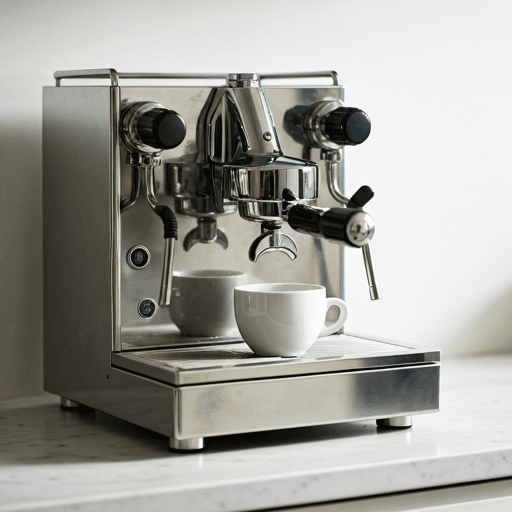
A fully automatic coffee machine grinds whole beans, doses and tamps them, brews your cup, and on many models froths the milk too -- all at the push of a button. It is the same core idea as a bean to cup or super-automatic machine: fresh, ground-on-demand coffee with almost no hands-on effort. This guide explains what these machines actually are, how they work, the features that matter, the maintenance they need, and how to choose the right one for your kitchen -- without a single price or a ranked "best" list.
What a fully automatic coffee machine actually is
The terminology is the most common source of confusion, so let's clear it up first. A "fully automatic coffee machine" is essentially the same thing as a bean to cup coffee machine or a super automatic coffee machine. The three names describe one type of appliance: a self-contained unit with a built-in grinder that takes you from whole bean to finished drink automatically.
You load beans into a hopper and fill a water tank. When you press a button, the machine grinds a dose of fresh coffee, packs it into an internal brew chamber, forces hot water through it under pressure to pull a shot, and ejects the spent puck into a waste bin. If the model has a milk system, it will also steam or froth milk for a cappuccino or latte. The whole sequence takes well under a minute, and you never touch a portafilter.
Because the category overlaps so heavily, it is worth reading our companion bean to cup coffee machine guide alongside this one -- it covers the same family of machines from a slightly different angle. This page focuses on the "fully automatic" buying decision.
Fully automatic coffee maker vs fully automatic espresso machine
You will also see the phrase "fully automatic coffee maker" used loosely for everything from a programmable drip pot to a super-auto. In this guide, "fully automatic coffee machine" means the bean-to-cup type that grinds and brews espresso-style coffee. If your priority is specifically espresso output -- shots, crema and one-touch milk drinks -- see our focused guide to fully automatic espresso machines, which digs deeper into the espresso side of the same machines.
How a fully automatic coffee machine works
Under the hood, every bean-to-cup machine runs the same basic assembly line:
- Grinder. A burr grinder (steel or ceramic burrs) doses fresh coffee on demand and lets you set how fine or coarse it grinds. Grinding per cup is the whole point -- it keeps the aroma and oils fresh, which is something pre-ground coffee loses fast.
- Brew unit. The grounds drop into a brew group that tamps them and runs hot water through at pressure. On most consumer machines this brew unit slides out for cleaning; on some premium models it is sealed inside.
- Heating system. A boiler or thermoblock heats water to brewing temperature, then to a higher temperature for steam if there is a milk system.
- Milk system (optional). Either an automatic carafe that pours frothed milk straight into the cup, or a steam wand you froth with by hand.
- Waste handling. Spent pucks fall into a grounds container, and rinse water collects in a drip tray you empty regularly.
Fully automatic vs semi-automatic vs drip coffee
It helps to see where a fully automatic machine sits between a hands-on espresso setup and a simple filter machine. With a semi-automatic espresso machine you grind, dose, tamp and steam yourself; the machine only pulls the shot, so you get maximum control but a learning curve. A basic drip filter machine just brews a pot of black coffee from pre-ground beans. A fully automatic machine sits in the middle: far more convenient than semi-auto, far more capable (and fresher) than drip.
| Machine type | You do | The machine does | Best for |
|---|---|---|---|
| Drip filter | Add water and pre-ground coffee | Brews a pot | Big batches of black coffee |
| Semi-automatic espresso | Grind, dose, tamp, steam milk | Pulls the shot | Hands-on espresso hobbyists |
| Fully automatic (bean to cup) | Load beans and water, press a button | Grinds, doses, tamps, brews, often froths | Convenience with fresh, ground-to-order coffee |
The main types and features that matter
Milk: one-touch carafe, steam wand or Pannarello
The single biggest split in the category is how a machine handles milk, and it shapes both the price tier and the cleaning routine.
- One-touch milk (carafe or hose into a container). The machine froths and pours milk automatically, so a latte or cappuccino is genuinely one button. De'Longhi's LatteCrema-style carafes and Jura's auto-frothers are well-known examples. Convenient, but the milk path must be cleaned every day.
- Manual steam wand. A wand you froth with yourself, like on a traditional espresso machine. More control over texture for latte art, easier to clean (just purge and wipe), but more skill and effort.
- Pannarello. A frothing sleeve fitted over a steam wand that introduces air automatically, making foam much easier for beginners than a bare wand. Common on entry-level Gaggia and Saeco models.
If milk texture matters to you, it is worth understanding frothing in general -- our milk frother guide explains the differences between steam, automatic and standalone frothers.
Grinder: steel vs ceramic burrs
Almost all fully automatic machines use a conical burr grinder. Steel burrs are common and durable; ceramic burrs run cooler and quieter and resist wear, which some brands favour. Both can make excellent coffee -- consistency and adjustability matter more than the material. Look for a quiet grinder and a grind-coarseness dial. A handy extra is a bypass chute that lets you drop in pre-ground or decaf for the occasional different cup without emptying the hopper.
Drinks menu, strength and volume
Mid-range and premium machines let you program drink size, coffee strength (more or fewer grams per shot) and water temperature, and save them as presets. Larger models add a menu of named drinks -- espresso, lungo, cappuccino, flat white, americano -- and sometimes multiple user profiles so each person in a household gets their settings. A small, simple machine may just offer one or two cup sizes and a strength button, which is plenty for many people.
Water filter, app control and build
Many machines accept an in-tank water filter that reduces scale and improves taste; using one stretches the time between descales. App connectivity (start a drink from your phone, tweak recipes) is a nice-to-have, not a necessity. Build quality tends to climb with price tier: premium machines generally run quieter, texture milk better and feel sturdier, while entry-level models cover the essentials.
Cleaning and maintenance: don't skip this
This is the trade-off people underestimate. Because a bean-to-cup machine grinds, brews and froths internally, it needs regular upkeep -- and the easier a machine is to clean, the more you will actually enjoy owning it.
- Automatic rinse cycles. Most machines flush the coffee path with hot water at start-up and shut-down. Let them.
- Milk-system cleaning. If the machine froths milk, rinse or run a clean cycle after every session; do a deeper clean regularly. Many carafes and milk parts are dishwasher-safe.
- Brew group. A removable brew unit -- standard on De'Longhi, Philips, Saeco and Gaggia machines -- slides out so you can rinse it under the tap. Sealed brew units, used by brands like Jura, can't be removed and are cleaned only with cleaning tablets, which means professional servicing eventually.
- Descaling. Every machine needs descaling to remove limescale, typically every one to three months depending on water hardness and use. The machine usually prompts you and walks you through it.
- Empty the bins. The grounds container and drip tray need emptying every day or two.
What to look for: a feature checklist
| Factor | What to look for |
|---|---|
| Milk drinks | One-touch carafe for hands-off lattes; a steam wand or Pannarello if you want control and simpler cleaning |
| Grinder | Quiet, adjustable burr grinder; steel or ceramic both work; a bypass chute for decaf is handy |
| Brew group | A removable, rinse-under-the-tap brew unit is easier to maintain than a sealed one |
| Programmability | Saved strength, volume and temperature; multiple user profiles for a busy household |
| Cleaning | Automatic rinse cycles, guided descaling prompts, dishwasher-safe milk parts |
| Capacity | Bean hopper and water tank sized to your daily cup count |
| Footprint | Height that clears your cabinets; room to slide the tank and tray out |
| Cost tier | Entry-level covers the basics; mid-range and premium buy quieter grinders, better milk and sturdier build |
The honest trade-offs
A fully automatic machine buys you convenience, consistency and fresh grinding every single cup, with a wide drinks menu and minimal skill required. In return you accept a higher upfront cost than a drip machine or pod system, a real cleaning commitment, and less hands-on control than a manual espresso setup -- you can't dial in a shot the way a barista does on a semi-auto. For most households that swap is well worth it; for a dedicated espresso tinkerer, it may not be.
How to choose a fully automatic coffee machine
- Do you drink milk drinks? If yes, decide between one-touch (effortless) and a steam wand or Pannarello (more control, easier cleaning). If you drink mostly black coffee, you can skip a milk system entirely and spend less.
- How many cups a day? Match the hopper and tank capacity, and the number of user profiles, to your household.
- How much cleaning will you really do? Favour a removable brew group and dishwasher-safe milk parts if you want low fuss.
- Grinder and noise. Look for an adjustable, reasonably quiet burr grinder.
- Footprint. Measure your counter height and depth, and check you can reach the tank, beans and drip tray in place.
- Budget tier. Decide which features justify moving from entry-level to mid-range or premium for you -- the "best fully automatic coffee machine" is simply the one whose strengths match how you actually drink coffee.
- Want more help comparing? If you are still weighing machine styles, our broad guide to choosing a coffee maker sets bean-to-cup against drip, pod and manual options before you commit.
The bottom line
A fully automatic coffee machine is the most hands-off way to get freshly ground espresso and milk drinks at home. The right one comes down to three things: whether you want automatic milk, how much cleaning you will tolerate, and how the size and budget fit your kitchen. Get those right and a bean-to-cup machine quietly earns its place on the counter for years. From here, it is worth comparing the broader bean-to-cup category and the espresso-specific models to see which side of the family suits you best, then matching the features in the checklist above to your daily routine.