
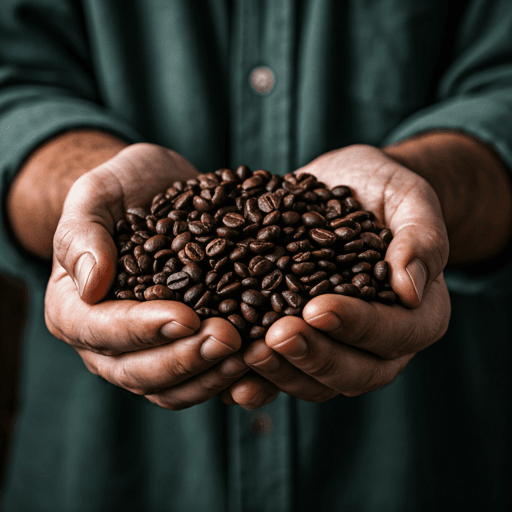
Ring the sprawl of Guatemala City and the colonial cobbles of Antigua, and you trace the edge of one of Central America's most electric coffee terroirs: the Fraijanes Plateau. It is a landscape of restless geology, high, humid, and periodically dusted in volcanic ash, where beans ripen slowly and arrive in the cup with an acidity so lively it can feel almost sparkling on the palate. Named for the town of Fraijanes and formalized by Anacafé, Guatemala's national coffee association, as one of eight official growing regions, the plateau is a case study in how living volcanic soil and demanding weather conspire to build a signature flavor.
Where a region such as Antigua trades on elegance and restraint, Fraijanes leans into intensity. It is a place where the land itself is still under construction, and that geological energy translates, cup after cup, into brightness and structure.
What defines fraijanes coffee
At its core, fraijanes coffee is shaped by three intertwined forces: mineral-rich volcanic pumice soil, high elevation between roughly 1,400 and 1,800 metres, and a wet, variable climate influenced by the still-active Pacaya volcano. Those conditions favor slow cherry maturation and dense beans, which is where much of the region's celebrated acidity and body come from. Expect a pronounced, persistent acidity, an aromatic nose, and a full, defined body with a finish that lingers. Traditional Arabica varieties, mostly washed, complete the picture. Understanding those variables is the fastest way to understand why a bag stamped "Fraijanes" tastes the way it does, and how it sits within the broader story of Guatemalan coffee.
Where the Fraijanes Plateau sits on Guatemala's coffee map
Anacafé maps the country's terroir into eight named regions, drawn along lines of cup profile, climate, soil, and altitude. The Fraijanes Plateau is the region that curls around the capital, spreading north of Lake Amatitlán and across the highlands that surround Guatemala City. It is close, geographically, to the more famous Antigua valley, yet the two are distinct appellations with different microclimates and different results in the cup.
Because it sits so near the country's economic center, Fraijanes has long been an accessible, productive plateau, planted across small and mid-sized farms as well as larger estates. Its neighbours in the Anacafé system include the lake-rimmed slopes that give us Atitlán coffee and the remote northern highlands behind Huehuetenango coffee. Each of those regions expresses Guatemala's volcanic backbone differently, but Fraijanes is unusual for one reason above all: it is genuinely, actively volcanic.
Pacaya and the volcanic terroir
The defining feature of the plateau is Pacaya, described by Anacafé as the most active of Guatemala's erupting volcanoes. Pacaya does not merely loom over the landscape as a scenic backdrop; it participates in it. Every so often the volcano lays down a light deposit of ash across the surrounding farms, giving the soil a fresh mineral boost, particularly in potassium and other nutrients that coffee trees draw on to build sugars in the cherry.
The base soil is volcanic pumice, light, porous, and well draining, the kind of ground that holds nutrients while letting excess water move through. That combination of periodic ash fertilization and mineral-dense pumice is the engine behind the region's brightness. It is worth being honest about the trade-off, though: an active volcano is both a gift and a hazard. Heavier ash falls, tremors, and the general unpredictability of living beside Pacaya are real challenges for growers, who manage a productive crop under conditions most coffee farmers never face. The same geology that sharpens the acidity also keeps the work uncertain.
Altitude, rain, and a demanding climate
Fraijanes farms generally sit between about 1,400 and 1,800 metres above sea level (roughly 4,500 to 6,000 feet). At those elevations, cool nights slow the ripening of the cherry, letting sugars and acids concentrate, which is the classic recipe for a high-grown, hard-bean coffee with layered flavor.
Climate is where Fraijanes really separates itself. Annual rainfall is high, on the order of 60 to 120 inches (very roughly 1,500 to 3,000 millimetres), and humidity commonly runs between 70 and 90 percent. Mornings often begin under clouds, fog, and heavy dew. What saves the region is its dry-season sun: those morning clouds tend to burn off quickly, giving growers enough clear, bright afternoons to sun-dry their coffee on patios. Temperatures across the year swing from cool nights around 12 degrees Celsius to warm days near 26 degrees. It is a wetter, more variable environment than many of Guatemala's other appellations, and managing that moisture, during flowering, harvest, and especially drying, is central to producing a clean cup here.
Varieties and washed processing
Like most of Guatemala, Fraijanes is Arabica country. The traditional workhorses are Bourbon, Caturra, and Catuai, with Typica and Pache also in the mix. Bourbon brings sweetness and a layered, complex profile and is one of the great heirloom varieties of the coffee world; you can read more in our guide to the Bourbon coffee variety. Caturra, a naturally compact Bourbon mutation, is prized for its bright acidity and clean fruit. Catuai, a Caturra and Mundo Novo cross, balances acidity, sweetness, and body while standing up well to weather, a genuine asset on a windy, rainy plateau.
Processing here is predominantly washed, the method that suits the region's high rainfall and humid air. Ripe cherries are depulped, fermented to break down the sticky mucilage, and rinsed clean before drying, a route that strips away fruit sugars from the surface and lets the bean's inherent acidity and clarity come forward. That is exactly the effect you want when the terroir is already delivering brightness. For a fuller walk-through of the technique and what it does to flavor, see our explainer on washed process coffee. Once washed, most Fraijanes coffee is finished on sun-drying patios, taking advantage of those clearing afternoons.
The cup: bright acidity, full body, and a long finish
Put all of it together, the mineral soil, the altitude, the classic varieties, and the washed process, and the Fraijanes cup has a recognizable signature. Anacafé characterizes the region's coffees as having bright, persistent acidity, an expressive aroma, and a defined, full body. In practice, tasters often find a lively, sometimes almost citric or apple-like acidity up front; a substantial, velvety weight in the mouth; and a finish that holds rather than fading. It is a coffee with backbone, structured enough to carry sweetness and complexity without turning thin.
The volcanic character matters most here. Where some origins offer softness and roundness, Fraijanes offers definition, a coffee that announces itself. That makes it a favorite for those who want energy and clarity in the cup rather than sheer smoothness. It is a distinctly volcanic expression, and the acidity is its calling card.
Fraijanes versus its drier neighbour, Antigua
The most instructive comparison is with the region next door. Guatemalan Antigua coffee comes from a sheltered valley cradled by three volcanoes, Agua, Fuego, and Acatenango, and it is known for low humidity, intense daytime sun, cool nights, and a comparatively drier climate with lower total rainfall. Those conditions tend to produce Antigua's famously elegant, sweet, balanced profile with a velvety body.
Fraijanes, by contrast, is wetter, more humid, and often sits slightly higher, all while living in Pacaya's shadow rather than the calmer volcanoes around Antigua. The result is a coffee that trades some of Antigua's polished balance for more assertive acidity and a bolder, fuller body. Neither is better; they are two different answers to the same volcanic question. Tasting them side by side is one of the clearest ways to feel how microclimate, not just country of origin, shapes a cup, and it is a great entry point into the wider world of coffee terroir.
Brewing and appreciating fraijanes coffee
Because the region leans bright and full-bodied, a medium roast tends to serve it best, preserving the acidity while letting the body and sweetness develop. Filter methods such as pour-over or a well-dialed drip flatter the crisp acidity and aromatic top notes, while the substantial body also stands up in espresso and moka pot preparations, where it can lend structure to a blend. When you choose single-origin fraijanes coffee, look for the elevation and variety on the label; those two details, more than any tasting-note poetry, tell you why the cup will taste the way it does.
Frequently asked questions
Where is the Fraijanes coffee region located?
The Fraijanes Plateau surrounds Guatemala City, spreading across the highlands north of Lake Amatitlán. It is one of the eight official Guatemalan coffee regions defined by Anacafé, and it lies close to, though distinct from, the neighbouring Antigua valley.
What does fraijanes coffee taste like?
Expect a bright, persistent acidity, an expressive aroma, and a full, defined body with a lingering finish. Tasters often describe lively citric or apple-like acidity balanced by a velvety weight, giving the coffee noticeable structure and energy.
How does the Pacaya volcano affect the coffee?
Pacaya, the most active of Guatemala's erupting volcanoes, periodically drops a light layer of ash across the plateau. That ash, together with the region's volcanic pumice soil, adds minerals such as potassium that feed the coffee trees and help drive the region's characteristic brightness, though active volcanism also poses real risks to growers.
What varieties and processing methods are used in Fraijanes?
Growers plant traditional Arabica varieties, chiefly Bourbon, Caturra, and Catuai, along with some Typica and Pache. Because the plateau is wet and humid, coffee is predominantly washed, then sun-dried on patios during the clear afternoons of the dry season.
How is Fraijanes different from Antigua coffee?
Antigua sits in a drier, sun-drenched valley and is prized for elegant, sweet balance. Fraijanes is wetter, more humid, and often slightly higher in elevation, and it lives beside the active Pacaya volcano, so it tends to deliver more assertive acidity and a bolder, fuller body.