
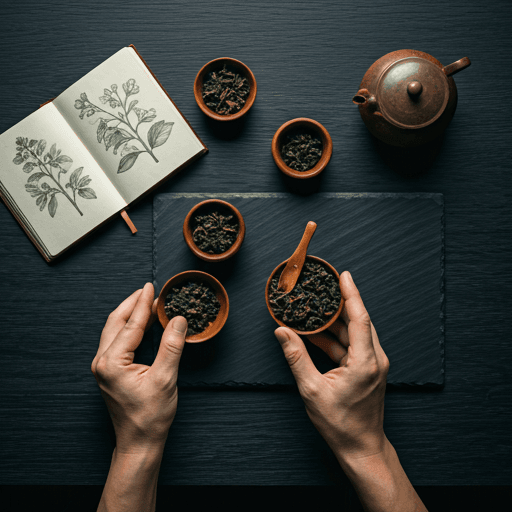
Essiac tea is a caffeine-free herbal blend, brewed as a strong decoction from a small group of roots, leaves and bark. It was popularized in the 1920s by a Canadian nurse, and for much of the twentieth century it was marketed as an alternative cancer remedy. That last part is the most important thing to be clear about up front: there is no reliable scientific evidence that essiac tea treats, prevents or cures cancer or any other disease, and major cancer organizations say it has not been proven effective.
So this guide does two things. It explains what essiac tea actually is, where it comes from, what is in it and how people traditionally make it. And it lays out the safety facts plainly, so you can understand the drink without being misled by the curative claims that have followed it for a century. Nothing here is medical advice. If you are dealing with a health condition, talk to a qualified healthcare professional rather than relying on any tea.
The headline up front: essiac tea is a folk herbal tonic with an interesting history and a real flavor profile. It is not a treatment for cancer or any disease, and it should never be used as a substitute for conventional medical care.
What is essiac tea?
Essiac tea is a herbal infusion or decoction made from a fixed recipe of dried plants, most commonly four of them. It contains no Camellia sinensis (the true tea plant), so it is naturally caffeine-free, like most herbal blends. People drink it cold or warm, usually diluted with hot water, in small daily amounts.
The name is the giveaway to its history. "Essiac" is the surname of nurse Rene Caisse spelled backwards (Caisse, reversed, is Essiac). The recipe has been sold under many brand names since, and a popular eight-herb variation is marketed as Flor-Essence. Because the formula is a folk recipe rather than a regulated product, the exact ingredients, strength and quality vary quite a bit from one brand to the next.
Rene Caisse and the origin story
The essiac story begins in Ontario, Canada. Rene Caisse, a nurse, began promoting the blend in the 1920s and ran a clinic for years where she gave it to people, often free of charge. She said the recipe came to her from a patient who had learned it from an Ojibwa healer. At other times the account shifted, and the original source has never been independently verified, so it is best treated as part of the folklore rather than documented fact.
Caisse guarded the formula closely during her lifetime and only shared it late in life. That secrecy, plus decades of word-of-mouth testimonials, is a large part of why essiac became so well known. It is worth separating two things here: the cultural history of the drink is genuinely interesting, but a long history and many testimonials are not the same as scientific evidence of any health effect. In fact, a Cancer Commission inquiry in Ontario in the 1930s reviewed the blend and did not find evidence that it worked.
The essiac herbs
The traditional recipe is built on four core essiac herbs. The classic blend is below, with a plain-language note on what each plant is. Some commercial "eight-herb" versions add watercress, blessed thistle, red clover and kelp on top of these four.
| Herb | What it is |
|---|---|
| Burdock root (Arctium lappa) | A bitter, earthy taproot used in many traditional tonics and in some cuisines. It is the most-discussed single ingredient and has its own folk following as a tea. |
| Sheep sorrel (Rumex acetosella) | A tart, lemony wild leafy plant. It naturally contains oxalic acid (oxalates), which matters for the safety notes below. |
| Slippery elm bark (Ulmus rubra) | The inner bark of the slippery elm tree. In water it turns mucilaginous and slick, and it has a traditional reputation for being soothing to the throat and gut. |
| Indian / Turkey rhubarb root (Rheum species) | A bitter medicinal rhubarb root, not the garden stalk. It has a long folk reputation as a gentle laxative and also contains oxalates. |
If you want to go deeper on any single component, our explainer on burdock root tea benefits covers the most prominent essiac ingredient on its own, including its flavor and the cautions specific to it.
What it tastes like and a basic essiac tea recipe
Flavor first: essiac tea is earthy, woody and distinctly bitter, with a slightly sour edge from the sheep sorrel and a faint slippery, almost slick texture from the elm bark. It is not a sweet or floral cup, and many people find it an acquired taste. Some dilute it heavily or add a little honey.
Traditionally it is prepared as a concentrated decoction rather than a quick steep. A typical essiac tea recipe follows this pattern (amounts and ratios vary by brand, so always follow the package directions for the blend you buy):
- Bring filtered water to a boil and add the dried herb mix.
- Simmer briefly, then turn off the heat and let it steep, covered, for several hours (often overnight) so the roots and bark fully extract.
- Strain well, bottle the concentrate, and refrigerate it. Because there are no preservatives, it is treated like a perishable and used within a week or so.
- To serve, mix a small measure of the cold concentrate with hot water, usually taken in modest daily amounts rather than large servings.
Many people simply buy a ready-made loose blend, capsules or a bottled liquid tonic instead of building the decoction from raw herbs, which sidesteps the guesswork of sourcing and measuring four separate plants.
Essiac tea benefits: what the evidence actually says
This is where honesty matters most. Essiac was historically marketed as an alternative cancer treatment, and that reputation still drives a lot of the search interest in essiac tea benefits. The scientific reality is clear and it is not flattering to those claims.
- There is no reliable evidence that essiac tea treats, prevents or cures cancer in people. Reviews by cancer research bodies and integrative-medicine centers have repeatedly concluded it has not been proven effective.
- Laboratory studies on the individual herbs and on essiac blends have produced mixed and inconsistent results. Some test-tube work even suggested the blend could stimulate the growth of certain cancer cells rather than slow it. None of this translates into a demonstrated benefit for someone drinking the tea.
- Claims about "detoxing," "boosting immunity" or "purifying the blood" are traditional marketing language, not measured outcomes. Your liver and kidneys already handle detoxification.
What can be said fairly is more modest: people drink essiac as a warm, caffeine-free herbal ritual, and the individual plants have their own long folk histories. If you are interested in herbal teas with researched, non-prescriptive associations, a balanced roundup like our look at the best anti-inflammatory teas is a more grounded place to explore than essiac's cure claims. The bottom line stands: do not use essiac as a substitute for medical care, and speak with a healthcare professional about any serious condition.
Safety, side effects and who should avoid it
For a generally healthy adult, an occasional cup of essiac is unlikely to be dangerous, but it is not risk-free and several groups should be cautious. Treat these as general safety notes, not personal medical advice.
- Laxative and diuretic effects. The medicinal rhubarb root can loosen the bowels, and the blend can increase urination. This is one reason large amounts are discouraged.
- Oxalates. Sheep sorrel and rhubarb root contain oxalates. Anyone prone to kidney stones or with kidney concerns should be especially careful, since high oxalate intake is associated with stone formation.
- Pregnancy and breastfeeding. Essiac is traditionally avoided during pregnancy and nursing, in part because of the rhubarb component. If you are pregnant or breastfeeding, do not use it without professional guidance.
- Medication interactions. Herbal blends can interact with prescription medicines, and diuretic or laxative effects can compound certain drugs. If you take regular medication, check with a pharmacist or doctor first.
- Variable quality. Because essiac is sold as a folk supplement, the actual contents, strength and purity differ by brand. There is no single standardized product.
- Reported side effects in users include nausea, vomiting, digestive upset and headaches, usually mild and linked to stronger doses.
How essiac fits among herbal teas
Essiac is best understood as one specific multi-herb folk tonic within the much larger world of caffeine-free infusions. If you are new to this category, our overview of what herbal tea is explains how tisanes differ from true tea, and our guide to tea and herb blends shows how multi-ingredient mixes like essiac are put together and why the proportions matter.
Seen that way, essiac is unusual mostly for its history and its bold curative marketing, not for its botany. A blend of roots, leaves and bark steeped into a bitter tonic is a very old idea. What sets essiac apart is the weight of unproven claims attached to it, which is exactly why a clear-eyed read is worth more than another testimonial.
The takeaway
Essiac tea is a piece of herbal folklore worth knowing about: a caffeine-free, earthy, bitter blend of burdock root, sheep sorrel, slippery elm bark and medicinal rhubarb root, popularized by Rene Caisse and named for her in reverse. Enjoy it as a herbal ritual if the flavor appeals and the safety notes do not apply to you. But hold the health claims at arm's length. It is not a proven remedy for any disease, and the responsible move is always to keep real medical care in the lead and treat the tea as nothing more than a tea. From here, you might revisit the single-herb story behind burdock root on its own, or browse calmer, better-studied options across our wider herbal tea coverage.