
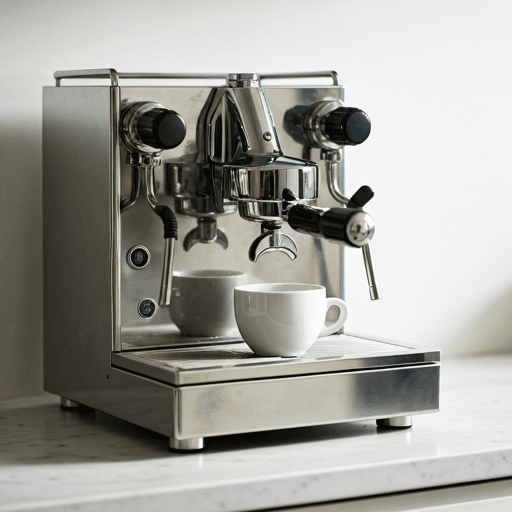
Espresso pods are pre-portioned, sealed single-serve capsules of finely ground coffee that a pod machine pierces and brews under pressure to make an espresso, usually crowned with a layer of crema. They hand you a consistent shot without grinding, dosing or tamping. The catch is that pods are not interchangeable across the board: most belong to a closed system that fits only one brand of machine, while ESE pods follow an open standard that many traditional espresso machines can use. This guide explains the formats and how to choose the right one for the machine you own.
For the wider picture of single-serve coffee across every ecosystem, see our coffee capsules hub. This page zooms in on the espresso-specific format.
What are espresso pods, and how do they differ from drip coffee pods?
An espresso pod is a small, factory-sealed dose of finely ground coffee. You drop it into a compatible machine, close the lever or lid, and a pump forces hot water through the pod at high pressure. That pressure is the whole point. Real espresso is defined by extraction at roughly 9 bar at the coffee bed, and pod machines are built to push water through hard enough to mimic it, which is why a good espresso pod produces that thick, hazelnut-coloured crema on top.
This is exactly where coffee pods for espresso part ways with the drip-style pods you may already know. A Keurig K-Cup or a soft drip "coffee pod" is designed for low-pressure, gravity-and-trickle brewing that makes a mug of filter-style coffee. The grind is coarser, the dose is set for a larger cup, and there is no pressure system forcing a tight extraction. Put simply: every espresso pod is a coffee pod, but most coffee pods are not espresso pods. If you want a short, intense, crema-topped shot, the format has to be built for pressure.
The trade you are making is control for convenience. With a pod you cannot adjust the grind, the dose or the yield the way you can when you pull a shot from fresh-ground beans. What you get in return is a clean, repeatable cup in under a minute with almost nothing to clean up.
The two families of espresso pods
Almost every espresso pod on the market falls into one of two families. Getting this distinction right is the single most important thing before you buy, because buying the wrong family means the pod simply will not fit your machine.
1. System capsules (closed, one brand per machine)
These are the hard, sealed espresso capsules tied to a specific proprietary system. Each brand designs its own capsule shape and its own machines, and they are deliberately not cross-compatible. The best-known examples are:
- Nespresso Original — the OriginalLine system. Nespresso pods are small aluminium capsules brewed by a pump at high pressure (Nespresso quotes up to around 19 bar), producing a short espresso-style shot with crema. Note that Nespresso's separate Vertuo line is not the same format and the two are not interchangeable.
- Lavazza A Modo Mio — Lavazza's home espresso capsule system, with its own plastic capsules and machines.
- illy iperEspresso — a distinctive two-stage capsule that pressurises and then releases the brew; it only fits illy's iperEspresso machines.
- Nescafe Dolce Gusto — a multi-drink pod system that brews espresso among many other drinks; its plastic pods fit only Dolce Gusto machines.
Because these are closed systems, a Lavazza A Modo Mio capsule will not work in a Nespresso machine, and vice versa. Many roasters also sell "compatible" capsules cut to fit a popular system (most often Nespresso Original), which widens your choice without changing the machine. For a deep dive on one of these ecosystems, see Nespresso pods and capsules explained.
2. ESE pods (the open standard)
ESE stands for Easy Serving Espresso. ESE pods are soft, round paper pods roughly 44mm in diameter, each holding about 7 grams of ground coffee pressed between two sheets of filter paper, like a flat coffee teabag. illy pioneered the single-serve espresso pod back in the 1970s, and the open ESE standard was later formalised by an industry consortium in the late 1990s. It is kept deliberately open, so any roaster can make ESE pods and any manufacturer can build machines that accept them.
That openness is the appeal. ESE pods are interchangeable: one brand's 44mm pod will run in any ESE-ready machine, so you are never locked to a single supplier. They are used by many traditional pump espresso machines that have an ESE portafilter basket or adapter, which means a lot of home and small-cafe machines can take them alongside loose ground coffee. Because they are paper and coffee with no plastic or metal shell, ESE pods are also often compostable.
Espresso pod format comparison
| Format | Fits what | Notes |
|---|---|---|
| Nespresso Original capsules | Nespresso OriginalLine machines (plus many third-party "compatible" capsules) | Aluminium; high-pressure shot with crema; not the same as Vertuo |
| Lavazza A Modo Mio | Lavazza A Modo Mio machines | Closed system; plastic capsules |
| illy iperEspresso | illy iperEspresso machines | Closed system; two-stage capsule design |
| Nescafe Dolce Gusto | Dolce Gusto machines | Closed; plastic pods; espresso is one of many drink types |
| ESE pods (44mm paper) | Any pump espresso machine with an ESE basket or adapter | Open standard; brands interchangeable; often compostable |
| Drip "coffee pods" / K-Cups | Drip pod brewers (e.g. Keurig) | Low-pressure, filter-style — these are NOT espresso pods |
The pros and cons of espresso pods and capsules
Espresso pods and espresso capsules earn their place for the same reasons they frustrate purists. It helps to weigh both sides honestly.
Pros
- Convenience and speed. One cup, one button, well under a minute, with no grinder, scale or tamper to fuss over.
- Consistency. The dose and grind are fixed at the factory, so the shot tastes much the same every time — no learning curve.
- No mess. The used pod pops into the bin or compost; there are no loose grounds and very little cleaning.
- Great for one cup. If only one person in the house drinks espresso, a pod machine avoids opening and staling a whole bag of beans.
Cons
- Cost per cup over time. Pods generally cost more per cup than buying beans and grinding them yourself, and that gap adds up with daily use. (We keep this qualitative — pod and bean prices vary widely by brand and country.)
- Far less control. You cannot dial in grind size, dose or shot length, so you are tuning your cup to the pod rather than the other way around.
- Packaging waste. Every cup leaves a single-use pod behind, which raises real recycling and environmental questions.
Recycling and waste, honestly
Pod waste is the format's biggest weakness, and the answer depends on what the pod is made of:
- Aluminium capsules (such as Nespresso Original) are recyclable, but usually not in your household bin because they still hold coffee. Brands run take-back schemes — collection bags, drop-off points and partner programmes — where pods are sent to specialist plants that separate the coffee from the metal and recycle each. The catch is that recycling only happens if you actually use the scheme.
- Plastic capsules depend entirely on local rules and the specific plastic used. Some are covered by mail-back recycling programmes; many are not kerbside-recyclable, so check before assuming.
- ESE paper pods are the simplest case: paper and spent coffee, so they are frequently home-compostable and the easiest to dispose of cleanly.
If environmental impact weighs on you, ESE pods or a brand with a genuine, convenient take-back scheme are the better-conscience choices.
How to choose espresso pods: a checklist
Work through these in order — the first point overrides everything else.
- Match the pod to your machine first. Identify your system (Nespresso Original, Lavazza A Modo Mio, illy iperEspresso, Dolce Gusto, or an ESE-ready pump machine) and buy only pods that fit it. This is non-negotiable; the rest is preference.
- Pick an intensity and roast. Most brands print an intensity scale. Lower numbers lean brighter and lighter; higher numbers are darker, bolder and more bitter. Start mid-range and adjust.
- Check decaf and origin options. If you drink decaf or want single-origin character, confirm your system offers it before committing — choice varies a lot between systems.
- Decide official versus compatible. Official pods guarantee fit and are tuned to the machine; third-party "compatible" pods (common for Nespresso Original and ESE) widen choice and can cost less, with occasional variation in fit or crema.
- Factor in recycling. If waste matters to you, favour compostable ESE pods or a brand with an easy take-back scheme.
Official versus compatible and third-party pods
Once you know your system, you usually have two sourcing routes. Official pods come from the brand that made your machine and are engineered for a precise fit and a predictable shot. Compatible or third-party pods are made by other roasters to drop into a popular system — Nespresso Original and the open ESE standard attract the widest ranges. They expand your flavour choices and are often gentler on the wallet, with the only real risk being the odd batch that fits slightly loosely or pulls a thinner crema. For the hardware side of the decision — which brewers take which pods — see our guides to capsule and pod coffee machines and the best pod and capsule coffee machines.
The bottom line
Espresso pods trade a little control for a lot of convenience: a fast, tidy, repeatable shot with crema and no skill required. The golden rule is to match the pod family to your machine — closed system capsules for their own brand, ESE pods for any machine that takes the open 44mm standard — then choose on roast, intensity and how you will deal with the waste. Get that right and a pod machine is a genuinely good way to drink espresso at home, even if it never quite replaces a shot freshly pulled and dialled in from beans.