
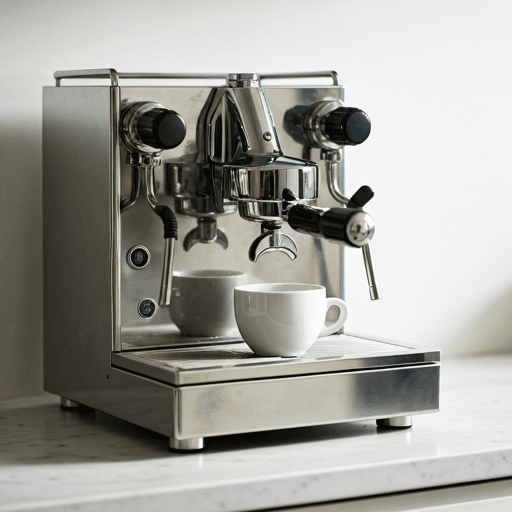
Coffee capsules are single-serve, sealed doses of ground coffee that a machine pierces and brews for you in about a minute -- no grinder, no scale and almost no mess. The catch is that they are not one universal product. Each system, from Nespresso to Keurig, uses its own capsule shape and its own machine, and the capsules rarely cross over. This guide explains what a coffee capsule actually is, maps the main ecosystems, and weighs the real trade-offs in cost, control and waste.
What are coffee capsules?
A coffee capsule is a small, sealed container holding a pre-measured dose of ground coffee -- usually somewhere between 5 and 12 grams -- packed under inert gas and foil- or plastic-sealed so it stays fresh for months. The terms get used loosely: plenty of people say coffee pods and coffee capsules to mean the same thing. Strictly speaking, "pod" tends to describe the soft, round paper type (the ESE pod), while "capsule" describes the rigid plastic or aluminium kind. In everyday shopping, though, the two words are interchangeable.
Capsules are made from three broad materials: aluminium, which seals out light and oxygen and is widely recyclable; food-grade plastic, which is cheap and light but harder to recycle; and a newer wave of compostable capsules made from plant-based or paper composites. The material matters for both freshness and disposal, which we cover below.
How capsule coffee machines work
The mechanics are simple. You drop a capsule into the holder, close the lever, and the machine punctures the top and bottom (or the rim) and pushes hot water through the grounds straight into your cup. What differs between systems is how the water moves:
- High-pressure extraction. Espresso-style systems such as Nespresso Original use a pump that pushes water through the grounds at up to around 19 bar, producing a small, concentrated shot topped with crema.
- Flow or low-pressure brewing. Keurig's K-Cup system works more like fast drip coffee: water flows through a paper filter inside the cup at modest pressure, making a larger, milder American-style mug rather than espresso.
- Spinning (centrifusion). Nespresso's Vertuo line spins the capsule at thousands of rpm while injecting water, and reads a barcode on the capsule rim to set the spin speed, water volume and temperature automatically for each blend.
Because the brewing method, capsule shape and piercing mechanism are all tied together, a capsule and its machine are a matched pair. That is the single most important thing to understand before you buy.
The main coffee capsule systems
Here is the part that trips people up: the major systems are mostly not cross-compatible. A capsule only fits the machine it was designed for, and dropping the wrong one in either won't brew or can jam the mechanism. These are the ecosystems you'll meet most often.
Nespresso Original
The small, aluminium, cone-shaped capsule most people picture. It brews espresso-sized shots at high pressure and has been so popular that many other roasters now sell "Nespresso-compatible" Original capsules, and rival machines accept them too. For the full deep dive, see our guide to Nespresso pods and capsules.
Nespresso Vertuo
A larger, dome-shaped capsule with a barcode around the rim. The machine spins it instead of pressing through it, and the barcode tells the machine how to brew -- which also means the system largely locks out third-party capsules. Vertuo and Original are both Nespresso, but their capsules do not interchange.
Nescafe Dolce Gusto
Bigger plastic pods that cover a wide menu, including milk-based drinks like cappuccino and latte (some recipes use two pods, one coffee and one milk). It is a different shape and a different machine from Nespresso -- the two are often confused but never compatible. See the Dolce Gusto pod machine guide for specifics.
Keurig K-Cup
A plastic cup with a foil lid and a paper filter bonded inside, dominant across North American homes and offices. K-Cups make a full mug of coffee rather than a tiny espresso, and the range of brands and flavours is huge. Our roundup of coffee pods for Keurig covers what to look for.
Lavazza A Modo Mio and Blue
Lavazza runs more than one capsule system: A Modo Mio is its home espresso format, while Blue is aimed at offices, and the two are not interchangeable. Both lean toward classic Italian espresso.
ESE paper pods
The Easy Serving Espresso pod is the old open standard, created by Illy in the 1970s: a soft, 44 mm paper pod holding about 7 grams of coffee, like a flat coffee tea bag. Because it isn't proprietary, many traditional espresso machines (and some pod machines) accept ESE pods, and the used pod composts as easily as wet coffee grounds.
Others you may see
Tassimo uses plastic T-Discs with a barcode (a Bosch system), Illy has its own iperEspresso capsules, and brands like Caffitaly and K-fee run further formats. The pattern holds: each is its own island.
| System | Capsule type | Notes |
|---|---|---|
| Nespresso Original | Small aluminium, up to ~19 bar | Espresso shots; widely cloned, so compatible capsules exist |
| Nespresso Vertuo | Large dome, barcode + spin | Centrifusion; barcode locks out most third-party pods |
| Nescafe Dolce Gusto | Large plastic pod | Black and milk drinks; some use two pods per cup |
| Keurig K-Cup | Plastic cup + foil lid | Big American-style mug, not espresso |
| Lavazza A Modo Mio / Blue | Plastic capsule (two systems) | Italian espresso; A Modo Mio home, Blue office |
| ESE pod | 44 mm soft paper, ~7 g | Open standard; composts like a tea bag |
| Tassimo | Plastic T-Disc, barcode | Bosch system; barcode sets the brew |
Pros and cons of coffee pods
Capsules win on convenience and lose on control. The honest trade-off looks like this.
What they do well:
- Fast and consistent. One button, the same result every time, in under a minute.
- No grinder, no scale, no mess. The dose is pre-measured and the grounds stay sealed in the capsule.
- Long shelf life and variety. Sealed capsules keep for months, and you can stock several blends or flavours at once.
Where they fall short:
- Cost per cup. Capsules are noticeably pricier per cup than buying ground coffee or whole beans -- a premium you pay for convenience.
- Less control. You can't adjust the grind, dose or extraction the way you can on a manual espresso machine or a pour-over.
- Waste and lock-in. Every cup leaves a capsule to dispose of, and you're tied to one brand's ecosystem.
Recycling and greener capsule options
The waste question is the most common knock against pods, and it has real answers. Aluminium capsules are recyclable, and several brands run free take-back schemes -- collection bags you fill with used capsules and return, or drop-off points that separate the coffee grounds from the metal. Check whether your specific brand recycles through your local kerbside system or a dedicated scheme, because the rules vary by region.
Two greener routes are worth knowing:
- Compostable capsules. Made from plant-based materials, these can go into food or garden waste -- though many are industrially compostable, meaning they need a commercial facility rather than a backyard bin. Paper ESE pods are the easy exception; they compost like a tea bag.
- Refillable capsules. Reusable stainless-steel or plastic capsules let you pack your own coffee, seal it and brew, then empty and refill again and again. They cut both waste and cost per cup, and versions exist for Original, Vertuo, Dolce Gusto and Lavazza systems -- at the price of a little more effort.
Storing capsules: the capsule coffee holder and freshness
Capsules don't need refrigerating -- keep them somewhere cool, dry and out of direct sun, in their sealed wrap until you brew. Their inert-gas seal does the freshness work, but once a foil is pierced or a wrapper opened, use it promptly. For day-to-day tidiness, a capsule coffee holder -- a drawer, carousel or wall rack sized to your system -- keeps your blends visible and stops them rolling around a cupboard. Holders are sold to fit specific capsule shapes, so match yours to Nespresso, Dolce Gusto or K-Cup dimensions rather than buying a generic one.
How to choose a capsule system
Because coffee machines, pods and capsules come as a matched set, choosing the system matters more than choosing the machine. Run through this short checklist before you commit:
- Drink style. Want short espresso and crema? Look at Original or Lavazza. Prefer a big mug of filter-style coffee? K-Cup. Like milky cafe drinks at one touch? Dolce Gusto or Vertuo.
- Capsule choice and price. Open systems (Original, ESE) give you many brands and lower-cost compatibles; closed systems (Vertuo, Tassimo) tie you to fewer suppliers.
- Sustainability. If waste worries you, favour aluminium with a recycling scheme, compostable pods, or a refillable capsule you fill yourself.
- Where it lives. Home, office or both can change the right system -- A Modo Mio versus Blue is exactly that split.
For help matching a brewer to your pick, see our overview of the best pod and capsule coffee machines.
The bottom line
Coffee capsules trade a little control and a little extra cost for genuine speed and consistency -- and once you know that the systems don't mix, the choice gets a lot clearer. Decide on the drink and the ecosystem first, weigh how you'll handle the waste, and the right capsule, machine and capsule coffee holder fall into place. From there, the fun part is exploring the blends -- whether you stick with pods or one day fancy grinding your own.