
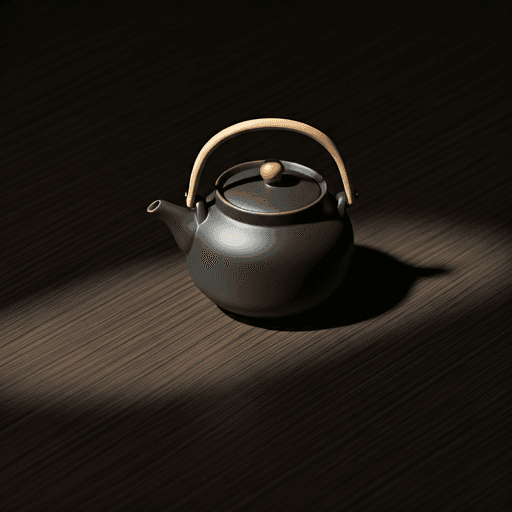
Does milk thistle tea have caffeine? The short answer is no. Milk thistle tea is naturally caffeine-free, because it is a herbal tea (a tisane) brewed from the seeds, and sometimes the leaves, of the milk thistle plant (Silybum marianum) rather than from the caffeinated tea plant Camellia sinensis. So a plain cup of milk thistle tea contains essentially no caffeine.
If you are cutting back on stimulants, brewing a cup late in the day, or simply curious about what is in the mug, that is the reassuring part: a straightforward, single-ingredient milk thistle infusion is not a source of caffeine. Below we unpack why that is true, the one label caveat worth checking, and how milk thistle tea fits alongside familiar green and black teas.
Does milk thistle tea have caffeine? The short answer
No. In its plain form, milk thistle tea is caffeine-free. The word "tea" here is doing loose, everyday work, the same way people say "peppermint tea" or "chamomile tea." True tea, the kind that naturally contains caffeine, comes from one plant: Camellia sinensis. Milk thistle does not come from that plant at all. It is a spiky, purple-flowered member of the daisy family, and the part used for brewing is usually the small, hard, crushed seeds, which are steeped in hot water to make a mild infusion.
Because no part of Camellia sinensis is involved, there is no leaf-borne caffeine to extract. Steeping the seeds longer or using more of them makes the cup stronger in flavor and a touch more bitter, but it does not add caffeine, because there was never any caffeine there to begin with. That is the whole reason a plain milk thistle infusion is classed as a herbal tea, not a true tea.
Why herbal teas are naturally caffeine-free
The reason comes down to botany. Caffeine is a compound produced by a specific set of plants, and the tea plant, Camellia sinensis, is one of the best-known examples. Every drink that carries meaningful caffeine from the "tea" family, green tea, black tea, white tea, oolong, pu-erh, matcha, traces back to those same leaves. The differences between them are down to how the leaves are grown, oxidized, and processed, not to different plants.
Herbal teas, by contrast, are infusions of other plants entirely: flowers, roots, bark, leaves of non-tea species, and seeds like milk thistle. Since these plants do not manufacture caffeine (with a few exceptions such as yerba mate and guarana, which are naturally caffeinated), the resulting brews are caffeine-free by default. That is why chamomile, peppermint, rooibos, and milk thistle all land in the same broad, no-caffeine category. Our overview of whether tea contains caffeine walks through the plant-by-plant differences, and the wider group of caffeine-free herbal cups all sit in that same naturally stimulant-free category.
The caffeine in milk thistle tea, at a glance
To put the caffeine in milk thistle tea in context, it helps to line it up against the true teas people usually compare it to. The figures below are broad, approximate ranges for a standard cup and can vary with leaf amount, steep time, and water temperature, so treat them as ballpark rather than exact.
| Tea type | Plant source | Approx. caffeine per cup |
|---|---|---|
| Milk thistle (herbal) | Silybum marianum seeds | None (caffeine-free) |
| Green tea | Camellia sinensis | Roughly 20 to 45 mg |
| Black tea | Camellia sinensis | Roughly 40 to 70 mg |
The takeaway is the contrast, not the precise numbers: green and black tea sit in the caffeinated column because they come from the tea plant, while milk thistle sits firmly in the caffeine-free column because it does not. If you want the caffeinated side compared head to head, black tea and green tea differ mainly in how far the leaves are oxidized, which nudges their caffeine and flavor in different directions, but both still start from Camellia sinensis.
The one caveat: check the label on blends
There is a single situation where a product labeled around milk thistle could carry caffeine, and it is worth knowing about. Some blended teas combine milk thistle with other ingredients, and if one of those added ingredients is green tea, black tea, yerba mate, or guarana, the finished blend will contain some caffeine from that addition, not from the milk thistle itself.
This is uncommon, but it does happen with "wellness" or "cleanse" style blends that stack several botanicals together. The simplest safeguard is to read the ingredient list. If you see only milk thistle (and perhaps other herbs, spices, or flavorings such as ginger, lemongrass, or peppermint), the cup is caffeine-free. If you spot Camellia sinensis in any form, or mate or guarana, assume there is at least some caffeine and treat the amount as uncertain unless the packaging states it.
What milk thistle tea is like to drink
As an infusion, milk thistle tea is generally mild, earthy, and slightly bitter, with a faint nutty note that comes from the crushed seeds. It is not floral or sweet the way chamomile can be, and it is lighter and less astringent than a robust black tea. Many people find it pleasant on its own, while others soften it with a slice of lemon, a little honey, or a complementary herb such as peppermint.
Brewing is straightforward: the crushed seeds are steeped in just-boiled water, often for several minutes, and a longer steep pulls out more of that earthy, faintly bitter character. This page is about caffeine rather than wellness, so we will not get into what people drink it for; if that is your question, our dedicated look at milk thistle tea and its uses is the place to go.
How much people tend to drink, and when
Because it carries no caffeine, milk thistle tea is one of the cups people reach for when they want the ritual of a warm drink without a stimulant, which often means it becomes an afternoon or evening choice. Some sip it alongside meals, others keep it as a wind-down cup before bed precisely because there is nothing in it to keep them alert.
How many cups a day is a reasonable amount is a separate question that depends on the individual, and we cover that in how much milk thistle tea to drink per day. The caffeine answer, though, does not change with quantity: even several cups add no caffeine, since a plain infusion has none to give.
A light safety note
A quick, general note rather than medical advice: milk thistle belongs to the daisy, or Asteraceae, family, which also includes ragweed, marigolds, and chrysanthemums. People with allergies to plants in that family are sometimes advised to be cautious with it. And if you are pregnant, breastfeeding, taking any medication, or simply unsure whether it suits you, it is best to check with your own healthcare provider before making it a regular habit. Responses vary from person to person, and this is general information, not medical advice.
Tisane versus true tea
The neatest way to remember all of this is the distinction between a tisane and a true tea. A "true tea" is made from Camellia sinensis and naturally contains caffeine. A tisane, the more precise word for a herbal tea, is an infusion of anything else: herbs, flowers, roots, spices, or seeds like milk thistle. Milk thistle tea is a tisane, which is exactly why it lands on the caffeine-free side of the line. If the terminology is new to you, our short explainer on what a tisane is makes the difference clear.
So, to close the loop on the original question: a plain, single-ingredient milk thistle tea is naturally caffeine-free. The only asterisk is a blend that deliberately adds a caffeinated ingredient, and a glance at the label settles that in seconds.