
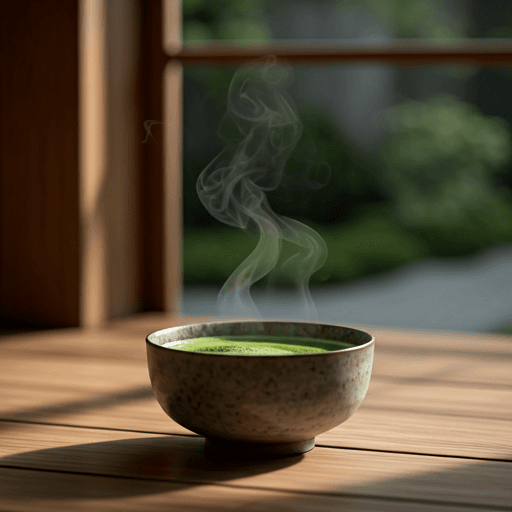
Does hops tea have caffeine? No — hops tea is naturally caffeine-free. It is a herbal infusion made from the dried flowers, or cones, of the hop plant (Humulus lupulus) — the same climbing vine used to bitter beer — and not from the caffeinated tea plant, Camellia sinensis. Because the caffeine in true tea comes only from that one leaf, a cup of pure hops carries none of it, which is why it is traditionally sipped in the evening.
Does hops tea have caffeine? The short answer
No. If you are asking is hops tea caffeine free, the answer for a plain, single-ingredient hops infusion is a clear zero. Hops tea is not really "tea" in the botanical sense — it is a tisane, an infusion of a plant that is not Camellia sinensis. Only the leaves and buds of the tea plant produce caffeine, so any drink brewed purely from something else starts at zero and stays there. Traditionally, people sip hops late in the day precisely because there is nothing in the cup to keep them awake. For how caffeine-free drinks are defined and where the trace grey areas sit, our guide to caffeine-free tea covers the ground.
Why there is no caffeine in hops tea
The reason is botany. Camellia sinensis is the only common beverage plant whose leaves are naturally rich in caffeine (coffee draws its caffeine from a different plant again, the coffee shrub). Hops are the cone-shaped flowers of a tall climbing vine, an entirely unrelated species, and when you steep them you are extracting their bitter resins and aromatic oils — but there is simply no caffeine molecule in the flower to pull out. So the hops tea caffeine level of a pure cup is, for all practical purposes, nothing. This is exactly why chamomile, peppermint, rooibos and hibiscus are also caffeine-free: they are herbal infusions rather than leaves of the tea plant. For the true-tea side of the story, see our explainer on whether tea contains caffeine.
Is hops a herbal tea?
Yes. When people ask is hops a herbal tea, the honest answer is that hops tea belongs to the same broad family as chamomile and peppermint — a herbal infusion, or tisane, made from a plant that is not the tea bush. The short version is that a herbal tea is any hot infusion of herbs, flowers, roots or bark other than Camellia sinensis, and hops flowers fit squarely in that group. Our guide to what herbal tea is keeps the fuller herbal-versus-true-tea distinction.
Hops tea vs green and black tea: caffeine at a glance
The clearest way to see it is side by side. The figures below are approximate per 8 oz (about 240 ml) cup and vary with the plant, the cut, the steep time and the water, so treat them as a rough guide rather than exact numbers.
| Drink | Caffeine per cup (approx.) | True tea or herbal? |
|---|---|---|
| Hops tea (pure) | None — caffeine-free | Herbal (tisane) |
| Chamomile tea | None — caffeine-free | Herbal (tisane) |
| Green tea | Roughly 20-45 mg | True tea (Camellia sinensis) |
| Black tea | Roughly 40-70 mg | True tea (Camellia sinensis) |
| Hops blended with green, black or mate | Varies — check the label | Herbal plus a caffeinated tea |
Hops sits at the bottom of the caffeine scale with a flat zero, right alongside chamomile, while green and black tea carry a real, if modest, dose. Only a blend moves hops out of the caffeine-free column.
The one caveat: blends that do contain caffeine
Pure hops is caffeine-free, but a product with "hops" on the front is not always pure hops. The one situation where a hops tea carries caffeine is a blend. Some night-time or "relaxing" mixes pair hops with real green or black tea, or with yerba mate, and a bottled or ready-to-drink version may do the same. In those cases the caffeine comes from the added ingredient, not the hops — and how much you get depends entirely on the ratio, which is why generalising a number is impossible. The only reliable move is to read the ingredient list. If it names only hops, or hops with other herbs like chamomile, valerian or lavender, the cup stays caffeine-free; if you spot green tea, black tea, matcha or mate, expect some caffeine, and let the label be your guide. When a label is vague, it is reasonable to assume a small amount may be present.
What hops tea tastes like
Hops tea is not a sweet or delicate cup — it is distinctly bitter, resinous and earthy, with a green, slightly piney aroma that comes straight from the same oils and acids that give beer its bite. For many people it is an acquired taste, and a short steep keeps it far more approachable than a long one, which can turn aggressively bitter. That bitterness is why hops is so often blended: a little chamomile softens and sweetens the edge, lavender adds a floral lift, and a squeeze of lemon or a touch of honey rounds it out. On its own it reads more like a herbal bitters than a cosy dessert tea, which is part of its appeal for people who like a savoury, grown-up brew.
The same hops that flavour beer
Here is the factual aside that surprises people: the hops in your cup are the very same flowers used to brew beer. Humulus lupulus cones are prized by brewers for the bitterness and aroma they lend to a pint, and hops tea simply steeps those cones in hot water instead. The tea itself is non-alcoholic — steeping flowers in water does not make beer, which needs the fermentation of sugars from malted grain — so a hops infusion carries the plant's bitter, hoppy character without any alcohol at all. If you have ever smelled a hoppy pale ale, the aroma of a cup of hops tea will feel instantly familiar.
Why people drink hops tea
Beyond the caffeine-free angle, hops has a long folk reputation as a calming, bedtime infusion, which is why it turns up so often in evening blends alongside chamomile, valerian and lavender. People reach for it as a warm, flavourful drink late in the day when they have already had their coffee or black tea, or when they are simply cutting back on caffeine but still want something with real character in the cup. We will keep it at that rather than making health claims — for a broader look at soothing evening options, see our roundup of the best herbal teas for sleep. Responses vary from person to person, and this is general information, not medical advice.
Who hops tea suits
Hops tea is a good fit if you are avoiding caffeine and want an evening cup that will not get in the way of winding down, if you are curious about bittering herbs and enjoy a savoury, assertive brew, or if you simply want to taste the flower behind beer without the alcohol. It suits the experimenter more than someone after a soft, sweet infusion — though blending with chamomile or lavender makes it far friendlier for a first try. A few people should be more careful: if you are pregnant or breastfeeding, take any regular medication, or have a known plant allergy, it is worth asking your own healthcare provider before drinking hops tea regularly. Again, individual responses vary and this is not medical advice — a quick word with a professional who knows your history is the safest way to decide what is right for you.
The bottom line is simple: a pure cup of hops tea contains no caffeine, so you can treat it as a genuinely caffeine-free choice, ideal for an evening pour. The only thing that changes the answer is a blend that hides real tea or mate in the ingredient list — so when in doubt, flip the pack over and read it. Everything else in the mug is just the bitter, aromatic flower of the hop vine.