
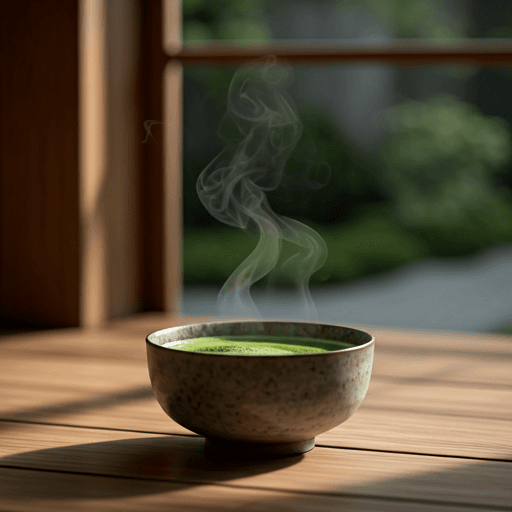
If you are winding down with a warm mug and wondering, does echinacea tea have caffeine, the short answer is no. A plain cup of echinacea tea is naturally caffeine-free, because it is a herbal infusion made from the flowers, leaves and roots of the echinacea plant (a purple coneflower, genus Echinacea) rather than the caffeinated tea plant. That makes it an easy pour for late afternoons and evenings.
The short answer: does echinacea tea have caffeine?
No. Echinacea tea is caffeine free in its plain, single-ingredient form. The reason comes down to what it is actually made from. Most people call it a "tea," but botanically it is a herbal tisane, not a true tea. True teas, such as green, black and oolong, all come from one plant, Camellia sinensis, which produces caffeine as a natural compound. Echinacea tea is brewed from a completely different, unrelated flowering plant, so there is no caffeine to steep out. For the wider picture of what herbal tea is and how these infusions differ from leaf tea, our guide to what is herbal tea covers the category in full.
In practical terms, that means a standard cup of echinacea infusion, made by steeping the dried flower, leaf or root in hot water, contains essentially no caffeine at all. There is no processing step, roasting or blending in a plain echinacea tea that would introduce it.
Caffeine in echinacea tea vs green and black tea
The clearest way to see the difference is a side-by-side look. Caffeine in echinacea tea is effectively none, while true teas from the tea plant carry a real, if modest, amount. The figures below are broad, hedged estimates that vary with the leaf, the amount used and how long you steep, so treat them as ballpark ranges rather than exact readings.
| Tea type | Made from | Typical caffeine per cup |
|---|---|---|
| Echinacea (herbal) | Coneflower flowers, leaves and roots | None to trace |
| Green tea | Camellia sinensis leaves | Roughly 20 to 45 mg |
| Black tea | Camellia sinensis leaves | Roughly 40 to 70 mg |
So a mug of green or black tea can deliver a gentle lift, while an echinacea infusion sits firmly in the caffeine-free column. This is the same reason many bedtime blends are built around herbs rather than tea leaves.
Why flower and root herbal teas are naturally caffeine-free
Caffeine in the tea world comes almost entirely from one source: the leaves and buds of the tea plant. When a drink is not made from that plant, it starts with zero caffeine and stays there. Echinacea, chamomile, peppermint, rooibos and hibiscus are all in this camp because they are brewed from flowers, leaves, roots or bark of plants that simply do not produce caffeine. For a fuller explanation of where the compound does and does not show up across the drinks cabinet, see does tea contain caffeine.
It is worth noting the small distinction between "caffeine-free" and "decaffeinated." Decaf teas start with caffeine and have most of it removed, which can leave a tiny residual amount. Echinacea and other herbal tisanes never had caffeine to begin with, so there is nothing to strip out.
The one caveat: check the label on echinacea blends
Here is the exception worth keeping in mind. While plain echinacea tea has no caffeine, a blended product can. If a maker mixes echinacea with green tea, black tea, yerba mate or guarana, the finished blend will carry whatever caffeine those ingredients bring, and echinacea "wellness" style blends sometimes do exactly that. The amount would depend entirely on how much of the caffeinated ingredient is included, which is hard to pin down from the outside. This applies to tea bags and loose blends alike, so the label, not the format, is what tells you.
The simple fix is to read the ingredient list. If the label shows only echinacea, or echinacea alongside other herbs like elderflower, ginger, lemon or peppermint, you can expect a caffeine-free cup. If you spot Camellia sinensis (green, black, white or oolong tea), yerba mate or guarana, assume the blend is no longer caffeine-free. When you are unsure and want to avoid caffeine entirely, choosing a single-ingredient echinacea tea is the safest bet.
What echinacea tea is like to drink
Beyond the caffeine question, people are often curious what the cup itself is like. Echinacea tea is a mild, earthy infusion with a gently floral edge and a faintly grassy or hay-like note, depending on whether the blend leans more on the flower or the root. A well-known quirk is a light tingling or numbing sensation on the tongue and lips, which comes from natural compounds in the plant and is normal. Some people find it pleasant on its own; others round it out with a little honey, lemon or a slice of ginger. Steeping time changes the character too: a short steep keeps it delicate, while a longer one pulls out more of that earthy, root-forward depth. None of that adds any caffeine, since the plant has none to give in the first place.
This page sticks to the caffeine and flavor side of things. If you are more interested in why people reach for the herb and how it is traditionally used, that story belongs in echinacea tea benefits rather than here.
Who chooses echinacea tea, and when
Because there is no caffeine to think about, echinacea tea is an easy anytime drink. Many people specifically reach for it in the evening or before bed precisely because it will not interfere with sleep the way a caffeinated cup of coffee or black tea might. It is also a common pick for anyone cutting back on caffeine, or simply looking for a warm, comforting mug that keeps the door open to a good night's rest.
That flexibility is really the practical payoff of the answer to "does echinacea tea have caffeine." A caffeine-free cup can be enjoyed morning, noon or night without changing your caffeine tally for the day.
A light safety note
A quick, non-medical heads-up. Echinacea belongs to the daisy family (Asteraceae), the same botanical group as ragweed, marigolds and chrysanthemums, so people with allergies to those plants may want to be cautious with it. As with any herbal drink, anyone who is pregnant or breastfeeding, taking medication, living with an autoimmune condition, or simply unsure whether it suits them should check with their own healthcare provider before making it a habit. This is general information only, individual responses vary, and it is not medical advice.
Tisane vs true tea, in a nutshell
The whole caffeine story really rests on one idea: echinacea tea is a tisane, not a true tea. A tisane is any brewed drink made from plants other than Camellia sinensis — flowers, roots, leaves, seeds, bark or fruit steeped in hot water. Because it skips the tea plant entirely, it also skips the plant's caffeine. If you would like that distinction spelled out with more examples, what is a tisane breaks it down. The takeaway for echinacea is simple: a plain cup is a naturally caffeine-free herbal tisane, with the only asterisk being a blend that has caffeinated ingredients stirred in.