
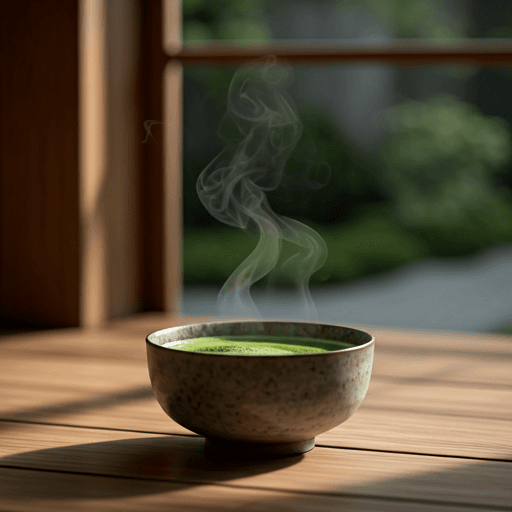
Does clove tea have caffeine? No, a cup of plain clove tea is naturally caffeine free. Clove tea is a herbal infusion made by steeping the dried flower buds of the clove tree (Syzygium aromaticum) in hot water. Because those buds do not come from the caffeinated tea plant, a pure clove brew carries essentially no caffeine at all.
That short answer covers most cups, but there is one thing worth checking before you assume every clove drink is caffeine free. Below we walk through why spice infusions have no caffeine, the one blend that changes the answer, what clove tea is actually like to drink, and when people tend to reach for it.
Does clove tea have caffeine? The short answer
If you brew clove tea the simple way, a few whole cloves or a little ground clove steeped in just boiled water, you get a caffeine free drink. So yes, in its plain form clove tea is caffeine free. It belongs to the broad family of herbal teas, drinks made from spices, roots, flowers, leaves and seeds other than the true tea plant.
The reason is simple. Caffeine in the drinks we usually call tea comes from one plant, Camellia sinensis. Clove is a spice, the aromatic dried flower bud of a tropical evergreen, not a leaf from that plant. With no Camellia sinensis in the pot, there is no natural source of caffeine in the cup, no matter how strong or dark the infusion looks.
Why spice and herbal teas have no caffeine
Black tea, green tea, white tea, oolong and pu-erh all come from the same species, Camellia sinensis, and every one of them contains caffeine. That plant produces caffeine in its leaves as a natural compound. When you steep the leaves, some of that caffeine dissolves into the water, which is why a strong black tea can rival a small coffee. You can read more about how that works in our overview of whether tea contains caffeine.
Spice and botanical infusions are a completely different thing. Clove, cinnamon, ginger, chamomile, peppermint, hibiscus, rooibos and fennel are not made from the tea plant, so they start with no caffeine to give up in the first place. Steeping them longer or hotter will pull out more flavor and color, but it cannot create caffeine that was never there. That is why they are grouped together as caffeine free teas, and clove sits squarely in that group.
Caffeine in clove tea: the one caveat to check
Here is the caveat that trips people up. While the caffeine in clove tea is effectively zero on its own, clove is very often used as a spice inside blended teas, and some of those blends are built on a base of real, caffeinated tea.
The clearest example is spiced chai, or masala-style tea. Traditional chai blends clove with cardamom, cinnamon, ginger and black pepper, but it is usually brewed with black tea as the base. In that case the black tea brings the caffeine to the cup even though the clove itself adds none. So a spiced clove chai is caffeinated, while a plain clove-only brew is not. The same is true of any festive or mulled tea blend that lists tea leaves alongside the warming spices.
The takeaway: check the blend. If the label or recipe lists black tea, green tea or simply tea alongside the spices, expect caffeine. If it lists only cloves and other spices, herbs or fruit, it should be caffeine free. When you are unsure, a quick look at the ingredient list almost always settles it, and loose whole cloves you steep yourself are the safest bet if you want zero caffeine.
What clove tea tastes like
Clove tea is a warm, sweet and pungent infusion with a distinctly peppery, almost woody spice edge. Cloves are intensely aromatic, so even a small amount gives a big flavor, close to the scent of mulled drinks and holiday baking. Many people also notice a faint tingling or gently numbing sensation on the tongue, which is a signature of clove and comes from its natural aromatic oils.
Because the flavor is so concentrated, clove tea is often lightly sweetened with honey or brightened with a slice of lemon, and it softens nicely with a splash of milk. It also blends beautifully with cinnamon, ginger or cardamom, which is exactly why those spices so often share a pot. If you want to go deeper into how people enjoy it beyond flavor, see our guide to clove tea.
Who reaches for clove tea, and when
Since clove tea has no caffeine, it slots easily into moments when a caffeinated drink would feel like too much. Plenty of people choose it as an evening or after-dinner cup, precisely because it will not add caffeine late in the day when they are winding down. It is also a common pick for anyone cutting back on caffeine, or who simply enjoys a warming, spiced drink without the lift that coffee or a strong black tea brings.
It helps to remember that clove tea caffeine content stays essentially zero no matter the time of day. The flavor is bold and the aroma is powerful, but there is no stimulant hiding behind it. That combination, big warming flavor with none of the buzz, is a large part of why spiced tisanes are such a popular evening ritual around the world, from the Mediterranean to South Asia to the Caribbean.
Tisane vs true tea: why the label matters
Strictly speaking, clove tea is a tisane rather than a tea. A tisane is any infusion of plants that are not Camellia sinensis, meaning spices, herbs, flowers, roots or fruit. We call these drinks tea out of habit, but that botanical distinction is exactly what tells you whether caffeine is present. For the full picture, see what a tisane is. The simple rule of thumb: if a drink is a true tea, assume it has caffeine, and if it is a tisane like clove, assume it has none unless it has been blended with real tea leaves.
A light note on using clove
Clove is a potent spice with a strong, concentrated flavor, so most people use only a small amount per cup. A few whole buds or a pinch of ground clove is plenty for a full mug. This is general information about a drink rather than health advice, and individual responses vary. If you are pregnant or breastfeeding, take medication, have an allergy, or are simply unsure whether clove tea suits you, it is best to ask your own healthcare provider before making it a regular habit.
Clove tea and caffeine at a glance
| Drink | Caffeine? |
|---|---|
| Pure clove herbal tea (tisane) | Essentially none, caffeine free |
| Clove chai brewed with black tea | Yes, caffeine comes from the black tea base |
| Green tea | Yes, a true Camellia sinensis tea |
Bottom line: a plain cup of clove tea is caffeine free, because it is a spice tisane rather than a true tea. The only time to check is when clove turns up inside a blend built on black or green tea, such as a spiced chai, in which case the caffeine comes from the tea leaves and not from the cloves. Read the ingredients, brew whole cloves on their own when you want a truly caffeine free cup, and you will always know exactly what is in your mug.