
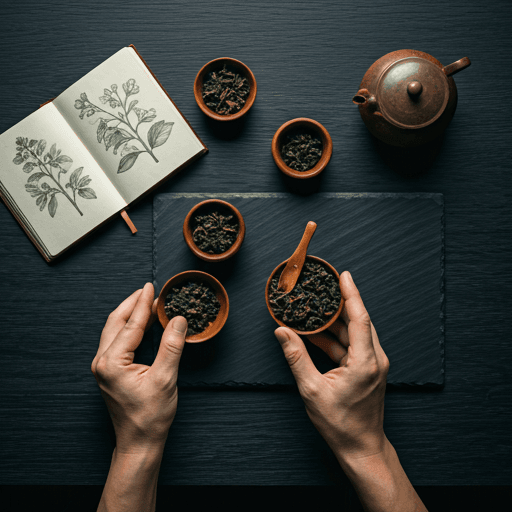
Clove tea is a strong, warming, caffeine-free herbal infusion made by steeping or gently simmering whole cloves, or a small pinch of ground clove, in hot water. People reach for it as a cosy cold-weather drink and, traditionally, for throat and digestive comfort, thanks to the spice's signature aromatic compound, eugenol. It is potent stuff, so a little goes a long way, and there are real cautions worth knowing before you make it a daily habit.
This is general information, not medical advice. If you are pregnant, taking medication, or managing a health condition, talk to a clinician before using clove tea regularly.
What is clove tea?
Cloves are the dried, unopened flower buds of the clove tree (Syzygium aromaticum), native to the Maluku Islands of Indonesia and now grown across the tropics. Clove tea is simply those buds infused in hot water. On its own it is a herbal tisane, not a true tea from the tea plant, which is why it contains no caffeine unless you add it.
The flavour is intense and unmistakable: deeply sweet-spicy, resinous, and faintly numbing on the tongue. That tingle comes from eugenol, the volatile oil that gives cloves both their aroma and their punch, the same compound dentists have long used for its numbing, antiseptic effect. Because the spice is so concentrated, clove rarely stars alone. It is more often a supporting note, simmered with cinnamon, ginger, cardamom, or black tea in spiced blends and masala chai.
How to make clove tea
The method matters more than you might expect, because the good stuff is in the volatile oils. Crush the cloves lightly and keep the cup covered so the aroma does not escape into the air.
- Lightly crush 3 to 5 whole cloves (about 1 gram) with the back of a spoon or a mortar. This cracks the buds and releases more eugenol.
- Add the cloves to roughly 1 cup (240 ml) of water in a small pot.
- Bring to just below a boil, then simmer gently for about 8 to 10 minutes, lid on.
- Strain through a fine sieve into your cup.
- Sweeten with a little honey and brighten with a squeeze of lemon if you like. A few slices of fresh ginger added while simmering make a lovely, sharper cold-weather cup.
A faster cup: steep the crushed cloves in just-boiled water for 8 to 10 minutes, covered, then strain. Simmering pulls out more flavour; steeping is gentler. Either way, taste before you add more cloves. Clove tea is easy to over-brew into something harsh and medicinal.
Brewing at a glance
| Element | Guideline |
|---|---|
| Cloves per cup | 3 to 5 whole (about 1 g), lightly crushed |
| Water | About 1 cup (240 ml), just off the boil |
| Brew time | 8 to 10 minutes, covered |
| Good partners | Cinnamon, ginger, cardamom, lemon, honey, black tea |
| How often | Modest amounts; not many strong cups a day |
Clove tea benefits, traditionally speaking
Cloves have a long history in kitchen medicine across Asia, the Middle East, and Europe, and modern interest centres on eugenol and the spice's antioxidant content. Keep in mind that much of the research uses concentrated extracts rather than a cup of tea, so think of these as traditional uses and early signals, not proven treatments.
- Rich in eugenol and antioxidants. Cloves are one of the most antioxidant-dense spices by weight, and eugenol has been studied for anti-inflammatory and antimicrobial activity in lab settings.
- Oral and throat comfort. Clove's mild numbing, antiseptic quality is why it has traditionally been used for toothache and a scratchy throat. A warm, aromatic cup can simply feel soothing when you are run down.
- Digestive ease. Warm spiced infusions are a classic after-meal drink, and cloves are traditionally used to ease bloating, gas, and nausea.
- A warming ritual. Like ginger or cinnamon, clove gives a genuine sense of warmth, which is part of why it shows up in cold-weather and cold-and-flu blends.
For more on where clove fits among soothing herbal cups, see our guides to the best teas for colds and sore throat and to ginger tea benefits and how to make it. Clove also pairs naturally with cinnamon, which has its own profile worth reading in cinnamon tea benefits.
Clove tea cautions: why it pays to go easy
Clove is one of the more potent things you can put in a teacup, and that potency cuts both ways. The eugenol that makes it useful is also why moderation matters. None of this means clove tea is dangerous for most people in normal culinary amounts; it means concentrated, daily, or medicinal use deserves caution.
| Concern | What to know |
|---|---|
| Eugenol potency | Eugenol is strong. Keep cloves modest and brews short; large or very frequent amounts can be hard on the body, and high doses have been linked to liver strain. |
| Blood thinners and surgery | Eugenol may slow blood clotting. If you take anticoagulants (such as warfarin) or aspirin, have a bleeding disorder, or have surgery coming up, be cautious and check with a clinician. |
| Diabetes medication | Clove may affect blood sugar. If you take diabetes medication, monitor closely, as the combination could push levels too low. |
| Clove oil is not clove tea | Concentrated clove essential oil is far stronger than the infusion and can be harmful, even toxic, if swallowed. Do not substitute drops of oil for brewed cloves. |
| Pregnancy and breastfeeding | Large or medicinal amounts are best avoided without medical guidance; eugenol can cross the placenta and pass into breast milk. |
| Young children | Strong clove infusions and clove oil are not appropriate for young children. Honey should never be given to infants under one. |
| Allergies | Stop if you notice any reaction. Clove can irritate sensitive mouths and skin. |
If you only remember one thing: treat clove tea as an occasional, modest drink rather than a high-dose remedy, and bring any medication or pregnancy questions to a healthcare professional.
Does clove tea have caffeine?
On its own, clove tea is naturally caffeine-free, which makes it a reasonable evening or anytime option for people watching their intake. The exception is blends: if you brew cloves with black tea, as in many spiced chai recipes, the cup carries the caffeine of that black tea. Pure clove, cinnamon, ginger, and cardamom infusions stay caffeine-free.
The bottom line
Clove tea earns its place as a fragrant, warming, caffeine-free infusion with a long history of traditional use for throat and digestive comfort. Its strength is also its limit, so brew it modestly, lean on it as a cosy ritual rather than a cure, and check with a clinician if you are pregnant, on medication, or unwell. From there, it is a small, aromatic pleasure, and an easy gateway into the wider world of spiced and herbal cups. Explore more in our herbal tea guide and pair it with ginger or cinnamon for your own house blend.