
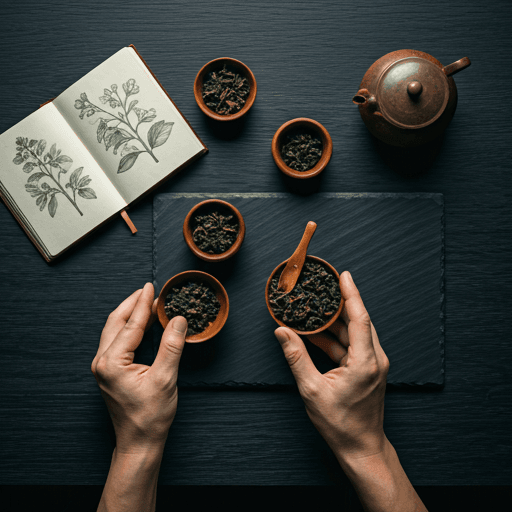
Cinnamon tea is a warm, naturally sweet-spicy herbal infusion made by steeping cinnamon sticks or ground cinnamon in hot water, either on its own or stirred into black tea, green tea or chai. On its own it is caffeine-free, and people reach for it as much for comfort as for its plant compounds. This guide explains what it is, how to make it, the cinnamon tea benefits that early research points to, and one important caution about the type of cinnamon you use.
This is general information, not medical advice. If you take medication or have a health condition, talk to a clinician before using cinnamon tea regularly.
What is cinnamon tea?
Cinnamon tea is an herbal infusion, or tisane, rather than a true tea. True teas come from the Camellia sinensis plant; cinnamon tea is brewed from the dried inner bark of cinnamon trees, sold as rolled quills (sticks) or ground powder. Because it contains no Camellia sinensis leaf, plain cinnamon tea is naturally caffeine-free, which makes it a popular evening drink. (If you brew cinnamon into black or green tea, the cup then carries that tea's caffeine.)
There are two cinnamon types worth knowing, and the difference matters more than most people realize. Cassia is the common, inexpensive cinnamon found in most supermarkets and spice racks. Ceylon, often labeled "true" cinnamon, is milder, more delicate and lighter in color, with paper-thin layers in the stick. They taste similar, but they differ sharply in one compound called coumarin, which we cover in the caution section below.
How to make cinnamon tea
You only need water and cinnamon. Simmering a stick gives the cleanest flavor; ground cinnamon is faster but leaves a little sediment you may want to strain.
- With a stick: Add one cinnamon stick to about 1.5 to 2 cups (350 to 475 ml) of water. Bring to a gentle simmer and cook, partly covered, for around 10 minutes. Longer steeping makes it stronger and slightly more bitter.
- With ground cinnamon: Stir about half a teaspoon into a cup of just-boiled water, let it sit 4 to 5 minutes, then stir again and strain through a fine sieve or let the sediment settle.
- To sweeten or layer flavor: Add a slice of fresh ginger, a squeeze of lemon, a few apple slices, or a small spoon of honey once the cup has cooled slightly.
- As an add-in: Drop a stick into brewing black tea or chai, or into a pot of green tea, for a spiced version.
| If you want | Try this |
|---|---|
| Strongest, cleanest flavor | Simmer a whole stick 10-15 minutes |
| A fast single cup | Steep 1/2 tsp ground cinnamon, then strain |
| A cozy cold-weather cup | Add fresh ginger and a little honey |
| A brighter, lighter cup | Add lemon and apple slices |
| Daily drinking | Choose Ceylon ("true") cinnamon (see caution) |
Flavor: warm, sweet-spicy, and naturally a little sweet
Cinnamon tea tastes warm and gently sweet-spicy, with a soft sweetness that comes through even without added sugar. Cassia is bolder and more peppery; Ceylon is more delicate and almost citrusy. That natural sweetness is one reason cinnamon tea works well for anyone cutting back on sugar, and why it pairs so naturally with ginger, apple, citrus and the spices in a spiced chai. If ginger is your favorite warming spice, our guide to ginger tea shows how to brew it from fresh root.
Cinnamon tea benefits, framed honestly
Cinnamon has been studied more than most kitchen spices, but most research uses concentrated extracts or supplement doses, not a casual cup of tea. So treat the cinnamon tea benefits below as promising and general, not as guarantees. Cinnamon tea is a pleasant, warming, caffeine-free drink first; any health upside is a bonus.
- Antioxidant plant compounds. Cinnamon is rich in polyphenols, and its signature compound, cinnamaldehyde, has measurable antioxidant activity in lab studies. Antioxidants are part of why many herbal infusions are valued, as covered in our guide to antioxidants in tea.
- Anti-inflammatory potential. Early research suggests cinnamaldehyde may help dampen inflammatory signaling. This is mostly lab and animal work, so it is a reason for interest, not a treatment claim.
- Possible modest effects on blood sugar. Several trials suggest cinnamon may have a small effect on fasting blood sugar in people with type 2 diabetes, possibly by slowing how fast the stomach empties and improving how cells respond to insulin. Results are mixed and the effect is modest, so cinnamon tea is not a substitute for prescribed treatment.
- A warming, comforting ritual. Not everything has to be clinical. A hot, fragrant, sugar-free cup is genuinely soothing, and a caffeine-free option you can enjoy late in the day has real value of its own.
The important caution: cassia, coumarin, and your liver
This is the part to read carefully. Most everyday cinnamon is cassia, and cassia is naturally high in coumarin, a compound that in large daily amounts may affect the liver. Ceylon cinnamon contains only trace coumarin by comparison. European food-safety guidance sets a tolerable daily coumarin intake of about 0.1 mg per kilogram of body weight, and a single teaspoon of cassia can already approach or exceed that for many adults. The takeaway is simple: a normal cup or two of cinnamon tea is fine for most people, but heavy daily cassia use over weeks and months is where the concern lies.
Two practical rules keep you on the safe side. First, enjoy cinnamon tea in normal amounts rather than treating it as a high-dose daily supplement. Second, if you plan to drink it every day, prefer Ceylon ("true") cinnamon, which is naturally low in coumarin.
| Aspect | Note or caution |
|---|---|
| Caffeine | Plain cinnamon tea is caffeine-free; adding black or green tea adds that caffeine. |
| Cassia cinnamon | Common and inexpensive, but high in coumarin. Fine occasionally; avoid large daily amounts. |
| Ceylon cinnamon | "True" cinnamon, milder and very low in coumarin. Better choice for daily drinking. |
| Coumarin and the liver | Large, prolonged cassia intake may affect the liver. Keep daily amounts modest. |
| Diabetes medication | Cinnamon may add to blood-sugar-lowering effects. Discuss with a clinician before regular use. |
| Blood-thinning medication | Coumarin-rich cassia may add to anticoagulant effects. Get medical guidance first. |
| Pregnancy | A normal cup is generally considered fine, but avoid large or medicinal amounts without guidance. |
| Concentrated cinnamon oil | Very potent and not the same as tea. Do not substitute it for a brewed cup. |
Who should be especially careful
If you take medication for diabetes, cinnamon's possible blood-sugar effect could add to your treatment, so mention it to your clinician before drinking it regularly. If you take blood thinners (anticoagulants), the coumarin in cassia is a reason for caution, because it may add to that effect. In pregnancy, an occasional ordinary cup is generally considered fine, but large or medicinal amounts are best avoided without medical guidance. And cinnamon essential oil is far more concentrated than tea and should never be swallowed in place of a brewed cup. When in doubt, ask a clinician who knows your full history.
How cinnamon tea fits the wider herbal-tea world
Cinnamon tea sits in the same family as other caffeine-free, spice-and-herb infusions. If you are exploring this category, our overview of what herbal tea is maps out the main types, and pairing cinnamon with ginger or apple is a natural next step. If you would rather have cinnamon with your coffee than your tea, see cinnamon coffee, which covers adding cinnamon to brewed coffee and espresso drinks.
The bottom line
Cinnamon tea is an easy, warming, naturally sweet and caffeine-free drink with some genuinely interesting, if modest, research behind it. Make it by simmering a stick or steeping ground cinnamon, dress it up with ginger, lemon or apple, and enjoy it in normal amounts. The one rule worth remembering is to favor Ceylon cinnamon if you drink it daily, since everyday cassia is high in coumarin. Treat it as a pleasant ritual rather than a remedy, keep your clinician in the loop if you take medication, and enjoy it for exactly what it is: a warming, comforting cup.