
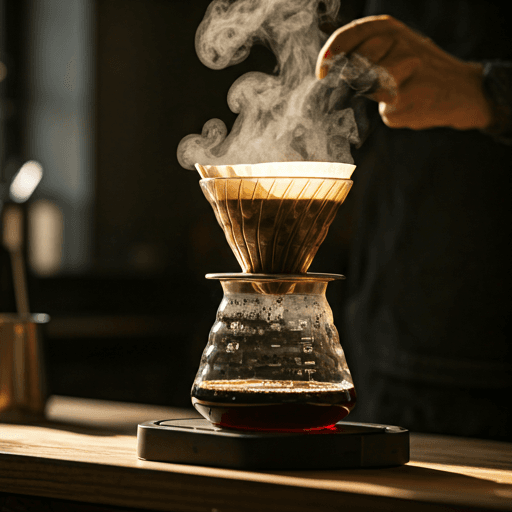
Cinnamon coffee is simply coffee flavored with cinnamon: warm, fragrant, and lightly sweet-tasting even before you add any sugar. It takes about a minute to make. You can stir ground cinnamon into the grounds before you brew, drop a cinnamon stick into the pot, dust it over a milky latte, or stir a cinnamon syrup into iced coffee and cold brew. This guide walks through each method, the right ratios, and a couple of tips for keeping grit out of your cup.
What cinnamon coffee is
Cinnamon coffee is any cup of coffee that has been flavored with cinnamon, whether that is ground cinnamon, a whole stick, or a homemade cinnamon syrup. The spice adds a rounded, baked-goods warmth and a hint of natural sweetness, which is why a lot of people find they can cut back on sugar once cinnamon is in the cup. Cinnamon itself is caffeine-free, so it changes the flavor and aroma without touching the caffeine; all the buzz still comes from the coffee. If you are new to brewing in general, our guide on how to make coffee covers the basics this builds on.
How to make cinnamon coffee (four ways)
There is no single "right" way to make cinnamon coffee, just different trade-offs between strength, smoothness, and effort. The one thing to know up front is that cinnamon is ground bark, not a soluble powder, so it never fully dissolves in water or coffee. Left loose, it floats, clumps, and finally settles into a gritty layer at the bottom. Each method below is really a way to get the flavor without the grit.
1. Bloom it with the grounds (the everyday method)
The simplest approach is to add ground cinnamon straight to your dry coffee grounds before brewing. Use about 1/4 to 1/2 teaspoon for every 2 tablespoons of ground coffee, which is roughly one large cup; for a full 6-to-8-cup pot, start with around 1/2 to 1 teaspoon total and adjust up to taste. Stir it through the grounds, then brew as usual in a drip machine, pour-over, French press, or moka pot. The big advantage is that your paper or metal filter catches almost all of the powder, so the flavor passes into the cup while the grit stays behind. Start light: cinnamon comes on stronger than you expect.
2. Brew with a cinnamon stick (the cleanest flavor)
For a smooth, grit-free cup, brew with a whole cinnamon stick instead of powder. Toss a stick into the water reservoir, the French press alongside the grounds, or simmer one in the water before brewing. You can also just park a stick in your finished mug and let it steep like a swizzle for a few minutes. This gives a gentler, cleaner cinnamon note than powder and leaves nothing to strain out. Sticks are reusable a couple of times, too.
3. Dust it over a latte or cappuccino (the cafe finish)
That dusting of cinnamon on top of a cappuccino is doing more than decoration. Cinnamon mixes far more readily into milk foam than into black coffee, because the fat and proteins in milk help carry the particles. Sprinkle a pinch over the foam of a latte, cappuccino, or flat white right before serving, or whisk a little into the milk as you steam or froth it. A handheld milk frother blends it in beautifully. This is the easiest way to flavor a milk-based drink without any syrup.
4. Make a cinnamon simple syrup (best for iced and sweet drinks)
If you want cinnamon that dissolves completely, especially in cold drinks, make a cinnamon simple syrup. Combine equal parts sugar and water in a small saucepan with two cinnamon sticks (or a teaspoon of ground cinnamon), bring it to a gentle simmer, and cook for about 10 minutes until the sugar dissolves and the syrup takes on color. Strain out the sticks, cool it, and keep it in a sealed jar in the fridge for up to two weeks. A tablespoon stirred into any coffee, hot or iced, gives instant, even cinnamon flavor with no grit and no clumping.
Cinnamon coffee methods and ratios at a glance
| Method | How to do it | Starting ratio | Best for |
|---|---|---|---|
| Bloom with grounds | Stir ground cinnamon into dry grounds, then brew | 1/4 to 1/2 tsp per 2 tbsp coffee | Everyday hot coffee; filter catches the grit |
| Cinnamon stick | Brew or steep with a whole stick | 1 stick per pot or mug | The cleanest, smoothest flavor |
| Dust on foam | Sprinkle or whisk into milk foam | A pinch per drink | Lattes, cappuccinos, flat whites |
| Cinnamon syrup | Simmer sugar, water and cinnamon, then stir in | About 1 tbsp per drink | Iced coffee, cold brew, sweet drinks |
Iced cinnamon coffee and cold brew
Cold liquid makes the grit problem worse, because ground cinnamon will not dissolve at all without heat and just floats on top. So for an iced cup, skip the loose powder and reach for cinnamon syrup. Stir a tablespoon of the syrup above into cold brew or any chilled coffee, add milk if you like, and pour over ice. Cold brew is naturally smooth and faintly sweet, so it carries cinnamon especially well. If you prefer to keep it unsweetened, brew a stronger batch with a cinnamon stick steeped in it overnight, then chill and serve over ice.
Ceylon vs cassia: which cinnamon to use
Most cinnamon on grocery shelves is one of two kinds, and they are not interchangeable in flavor or in daily-use terms.
- Cassia cinnamon is the common, inexpensive type in most supermarket jars. It is bold, spicy, and reddish-brown, the flavor most people picture when they think "cinnamon."
- Ceylon cinnamon, sold as "true cinnamon," is lighter, more delicate, and sweeter, with softer, papery quills. It tends to cost more and is easier to find at specialty spice shops.
The practical difference beyond taste is a natural compound called coumarin. Cassia contains markedly more of it than Ceylon, by some estimates many times more. In normal coffee-spicing amounts this is a non-issue. It only becomes relevant if you consume large amounts of cassia every day, since high coumarin intake may affect the liver over time. If cinnamon is a daily habit for you, Ceylon is the gentler choice for regular use. For a cup here and there, either works fine.
A quick word on cinnamon and health
Cinnamon coffee is mostly about flavor, but the spice does bring a little extra. Cinnamon may add antioxidants and a touch of warmth, and some early, limited research has linked it to modest blood-sugar effects, though the evidence is far from settled. Treat any of that as a pleasant bonus rather than a reason to drink it. This is general information, not medical advice; if you have a health condition, are pregnant, or take medication, check with a clinician before using cinnamon regularly. For the deeper dive into the spice and what the research actually says, see our dedicated guide to cinnamon tea benefits.
Tips for the best cinnamon coffee
- Bloom or dissolve, never just sprinkle into black coffee. Loose powder on a black cup floats and turns gritty. Add it to the grounds, use a stick, or use syrup instead.
- Start with less. A 1/4 teaspoon goes a long way. You can always add more next time; you cannot take it out.
- Milk is your friend. Cinnamon blends far better into foamed milk than into water, so milk drinks are the most forgiving place to use the powder.
- Use fresh cinnamon. Ground spice fades within a year or so. If yours smells flat, it will taste flat.
- Pair it. Cinnamon plays well with a pinch of nutmeg, cardamom, or vanilla if you want to build toward a spiced drink.
Where to take cinnamon coffee next
Once you have plain cinnamon coffee dialed in, the same flavor scales up into more elaborate drinks. For a cafe-style treat built on espresso, steamed milk, and a brown-sugar-cinnamon syrup, follow our cinnamon dolce latte recipe. And if you love that cozy, spiced direction in autumn, the broader pumpkin spice coffee explainer shows how cinnamon teams up with nutmeg, ginger, and clove. Start with a pinch in tomorrow's pot, see where your taste lands, and keep exploring from there.