
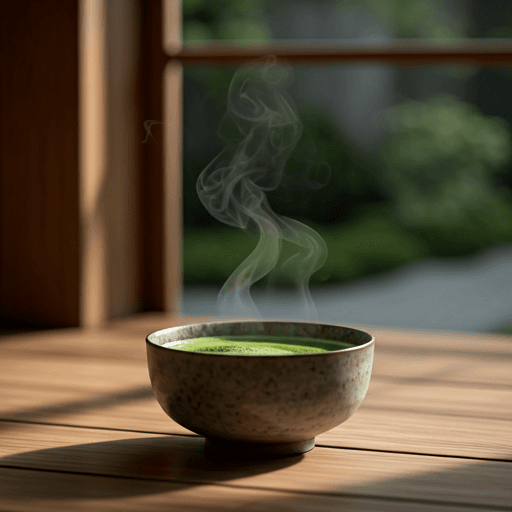
Does catnip tea have caffeine? No. Catnip tea is naturally caffeine-free. It is a herbal infusion made from the catnip plant (Nepeta cataria), a member of the mint family, not from the caffeinated tea plant Camellia sinensis that gives us green, black and oolong tea. Because caffeine in true tea comes only from that one plant, a plain cup of catnip carries none of it, and people often sip it in the evening for its mellow, minty, relaxing character.
Does catnip tea have caffeine? The short answer
No. When people ask whether catnip tea is caffeine free, the honest answer for a straight, single-ingredient catnip infusion is a clear zero. Is catnip a herbal tea? Yes — it is a tisane, an infusion of a herb rather than a leaf from the tea bush, which is exactly why it starts and stays caffeine-free. Only the leaves and buds of Camellia sinensis naturally carry caffeine, so any drink brewed purely from another plant has none to begin with. That places catnip firmly in the same no-stimulant family as chamomile, peppermint and rooibos. For where these caffeine-free drinks fit in the wider picture, our guide to caffeine-free tea covers the basics, and the whole herbal family is laid out in what herbal tea is.
Catnip tea and caffeine: why a herbal cup has none
The reason comes down to botany. Camellia sinensis is the one common beverage plant whose leaves are naturally rich in caffeine — coffee gets its caffeine from an entirely separate plant, the coffee shrub. Catnip is an unrelated mint-family herb, so when you steep the dried leaves and flowers you are drawing out its own aromatic oils and grassy, minty character, but there is simply no caffeine molecule in the leaf to extract in the first place. That is the same reason chamomile, peppermint and rooibos are caffeine-free: they are herbal infusions, not the tea plant. The catnip tea caffeine level in a pure cup is, for all practical purposes, nothing, and steeping it longer, hotter or stronger cannot conjure caffeine that was never there. For how the true-tea side of this works, see our explainer on whether tea contains caffeine.
Catnip tea vs green and black tea: caffeine at a glance
The figures below are approximate and vary with the leaf, the steep time and the cup size, so treat them as a rough guide rather than exact numbers.
| Drink | Caffeine per cup (approx.) | True tea or herbal? |
|---|---|---|
| Catnip tea (pure) | None — caffeine-free | Herbal tisane (Nepeta cataria) |
| Green tea | ~20-45 mg | True tea (Camellia sinensis) |
| Black tea | ~40-70 mg | True tea (Camellia sinensis) |
| Yerba mate | ~30-80 mg | Herbal, but naturally caffeinated |
| Catnip blended with green or black tea | Varies — check the label | Blend |
Catnip sits at the bottom with a flat zero, while green and black tea carry a real, if modest, dose. The one herbal outlier is yerba mate, a reminder that "herbal" does not automatically mean caffeine-free — but catnip, like most mint-family herbs, does.
The one caveat: blends that add caffeine
The single situation where a "catnip tea" does carry caffeine is a blend. Some sleep or wellness mixes pair catnip with other ingredients, and a few combine it with green or black tea, or with yerba mate. Once any of those go in, the caffeine comes from the added ingredient, not from the catnip itself, and how much you get depends entirely on the ratio — which is why putting a single number on it is impossible. The reliable move is to read the ingredient list. If it names only catnip, or catnip alongside other herbs like lemon balm or chamomile, the cup is caffeine-free; if you spot green tea, black tea, matcha or yerba mate, expect some caffeine and let the label be your guide. When a label is vague, it is reasonable to assume a small amount may be there.
What catnip tea tastes like and when it is enjoyed
Catnip tea is gently minty and herbaceous rather than sweet. It brews to a pale green-gold and tastes grassy and soft, with a cooling, mint-family note that sits somewhere near a mild, mellow peppermint — less sharp than true mint, a little more earthy. It is low in bitterness and easy to drink plain, though a squeeze of lemon brightens it and a little honey rounds off the herby edge. Brewing is forgiving: use about a teaspoon or two of dried catnip (or a tea bag) per cup, pour over water that is just off the boil, cover it and let it steep for several minutes, then strain. Covering the cup keeps the fragrant oils in the brew rather than drifting off as steam, and a longer steep simply gives a deeper, greener cup — never a caffeinated one.
Because there is no caffeine, people most often reach for catnip in the evening, precisely as a warm, calming cup to wind down with rather than a morning pick-me-up. That caffeine-free character is the whole appeal of a night-time herbal — you can sip it late without it getting in the way of settling down. For other gentle options in that slot, see our roundup of the best herbal teas for winding down. We will keep the wellness talk light here: catnip has a long folk reputation as a soothing bedtime herb, but responses vary from person to person and this is general information, not medical advice.
The cat question: is it really the same plant?
Yes — the catnip in your teacup is the same Nepeta cataria that makes many cats roll, purr and go a little giddy. Cats respond to a compound in the plant called nepetalactone, which they pick up mainly through smell. People do not react to it the way cats do; in a human cup it is simply a mild, minty herbal tea with no caffeine and no feline-style effect. So there is nothing strange about brewing the same herb your cat enjoys sniffing — for us it is just another mint-family tisane. Keeping this strictly non-medical: enjoy it as a pleasant herbal drink rather than a remedy.
Who catnip tea suits
Because it is naturally caffeine-free, catnip tea is a natural fit for anyone cutting back on caffeine, anyone who wants a warm drink late in the day without it getting in the way of winding down, or anyone who has already had their coffee or black tea and wants a soothing, no-stimulant alternative. It slots into the same everyday rotation as chamomile, peppermint and lemon balm — a mellow, minty cup to enjoy for its flavour and its calm, unhurried character. As with any herb, a few people should take a little more care, which the note below covers.
Who should check with a professional first
For most people a cup of catnip is an easygoing, low-stakes drink, but a few groups are wise to get personalised advice before making it a regular habit. If you are pregnant or breastfeeding, take any regular medication, or have a known plant allergy — especially to other mint-family herbs — it is worth asking your own healthcare provider first. Catnip is a biologically active herb, so "more is better" is the wrong instinct; a modest cup is very different from steeping strong brews all day long. Again, individual responses vary and this is not medical advice — a quick conversation with a professional who knows your history is the safest way to decide what is right for you.
The bottom line is simple: a pure cup of catnip tea contains no caffeine, so you can treat it as a genuinely caffeine-free choice from morning to night, and especially as an evening wind-down. The only thing that changes the answer is a blend that hides real tea or yerba mate in the ingredient list — so when in doubt, flip the pack over and read it. Everything else in the cup is just catnip, minty and calm.