
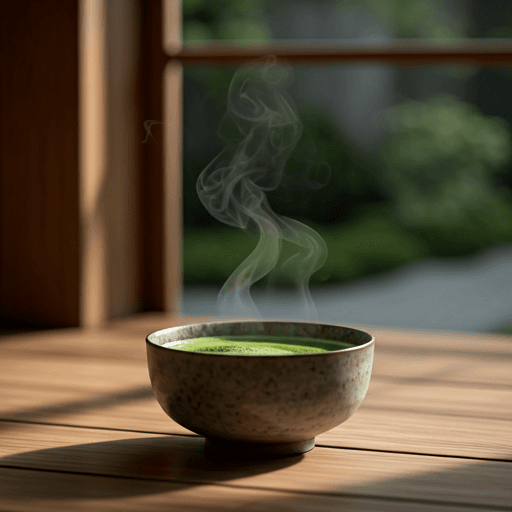
Does ashwagandha tea have caffeine? The short answer is no. A plain cup of ashwagandha tea is naturally caffeine-free, because it is a herbal infusion — a tisane — made from the root (and sometimes the leaves) of the ashwagandha plant, Withania somnifera, also known as winter cherry. It does not come from the caffeinated tea plant Camellia sinensis, so on its own it carries essentially no caffeine.
That single fact answers most of the question, but it helps to understand why herbal roots are caffeine-free, the one situation where a so-called ashwagandha tea can surprise you, and what the drink is actually like in the cup. Here is the full picture, kept simple.
Does ashwagandha tea have caffeine? The short answer
No. In its pure form, ashwagandha tea contains essentially no caffeine. The word "tea" here is doing a bit of loose duty: botanically, true tea — green, black, white, oolong — is made only from the leaves of Camellia sinensis, and that plant naturally produces caffeine. Ashwagandha tea is not made from that plant at all. It is a herbal infusion brewed from a root, so there is simply no caffeine there to extract in the first place.
Is ashwagandha tea caffeine free, then? For the pure root version, yes — reliably so. If you want the bigger category this drink belongs to, we keep the deeper definition on our guide to what herbal tea is. The short version is that a herbal "tea" is really an infusion of plants other than the tea bush, and most of them are caffeine-free by nature.
Caffeine in ashwagandha tea: why root and herbal infusions are caffeine-free
The caffeine in ashwagandha tea comes down to one thing: the source plant. Caffeine is a compound that certain plants make in their leaves, seeds or beans — the tea bush, coffee, cacao, yerba mate, guarana and a handful of others. Ashwagandha is not one of them. When you steep the dried root (or leaf) of Withania somnifera in hot water, you are drawing out its earthy plant compounds and aroma, but not caffeine, because the plant does not make any to speak of.
This is the same reason chamomile, peppermint, rooibos, ginger and hibiscus infusions are all naturally caffeine-free — none of them come from the tea plant. For a fuller look at which drinks do and do not carry caffeine, see does tea contain caffeine, which walks through the difference between naturally caffeine-free herbals and decaffeinated true teas.
It is worth drawing one more distinction while we are here. Naturally caffeine-free is not the same as decaffeinated. Green and black teas can be decaffeinated, which means the caffeine is removed from a plant that made it, and a small trace usually remains. Ashwagandha tea never had any caffeine to begin with, so there is nothing to strip out — it is caffeine-free by nature, not by processing.
Here is the contrast at a glance:
| Drink | What it is made from | Typical caffeine |
|---|---|---|
| Ashwagandha herbal tea | Withania somnifera root (a herbal tisane) | None — naturally caffeine-free |
| Green tea | Camellia sinensis leaves | Roughly 20 to 45 mg per cup (varies widely) |
| Black tea | Camellia sinensis leaves | Roughly 40 to 70 mg per cup (varies widely) |
The numbers above are broad estimates and shift with leaf type, portion, water temperature and steeping time — treat them as rough guides rather than fixed values. But the pattern holds no matter how you brew: only the Camellia sinensis rows carry caffeine, while the ashwagandha row stays at essentially zero.
The one caveat: blends that add caffeine
Here is the only real asterisk to the caffeine in ashwagandha tea. Some products sold as "ashwagandha tea" are not pure root infusions — they are blends. If a maker combines ashwagandha with an ingredient that does contain caffeine, the finished cup will carry some. The usual culprits are green or black tea leaves (both true tea), yerba mate, or guarana, all of which are naturally caffeinated. A chai-style ashwagandha blend, for example, often has a black-tea base and so is not caffeine-free at all.
So the caveat is simple: a plain ashwagandha root tisane is caffeine-free, but a blend can quietly change that. If caffeine matters to you, the reliable move is to read the ingredient list rather than trust the front-of-pack name. If you see only ashwagandha, perhaps alongside other herbs, spices or roots such as ginger, cinnamon or tulsi, it is almost certainly caffeine-free. If you spot green tea, black tea, mate or guarana, expect a modest amount of caffeine. Any exact figure will vary by product and brew, so hedge your expectations.
What ashwagandha tea is actually like
Flavour-wise, ashwagandha tea is not a delicate floral cup. Brewed from the root, it tends to be warm, earthy and a little bitter, with a faintly musty, almost horsey note that some people describe as woody or barn-like. It is an acquired taste on its own, which is exactly why it is so often blended — with ginger, cinnamon, cardamom, a little honey, milk or lemon — to round off that raw-root edge and make the cup friendlier. The name itself nods to that character: it is often translated as the smell of a horse.
People usually brew it by simmering or steeping the dried root, or a spoon of the powder, in hot water for several minutes and then straining. We are keeping this piece strictly about caffeine, so for what the drink is traditionally used for and how people fold it into a routine, see our ashwagandha tea overview rather than reading anything medical into a plain cup here.
Who drinks it, and when
Because the pure tisane has no caffeine, ashwagandha tea slots neatly into the times of day when a caffeinated drink would not. Many people reach for it in the evening, after dinner, or as a warm wind-down cup precisely because it will not leave them wired the way a strong black tea or coffee might. It is equally an anytime option for anyone cutting back on caffeine, or who simply enjoys an earthy herbal infusion. Since the root version is caffeine-free, timing really comes down to taste rather than any need to watch a caffeine clock — the main thing to watch is the label on a blend.
Tisane vs true tea, in one line
The confusion almost always comes from the word "tea." A true tea is an infusion of the tea plant, Camellia sinensis, and always carries some caffeine. A tisane is an infusion of anything else — roots, leaves, flowers, spices — and is caffeine-free unless something caffeinated is added to the blend. Ashwagandha tea is a tisane. If that distinction is new to you, our short guide to what a tisane is lays it out cleanly.
A light note on safety
This article is about caffeine, not health advice. Ashwagandha is a herb with its own considerations, and how anyone responds to it can differ from person to person. If you are pregnant or breastfeeding, take any medication, or have a thyroid or autoimmune condition — and anyone who is simply unsure — it is worth checking with your own healthcare provider before making ashwagandha a regular part of your day. This is general information only, responses vary, and it is not medical advice.