
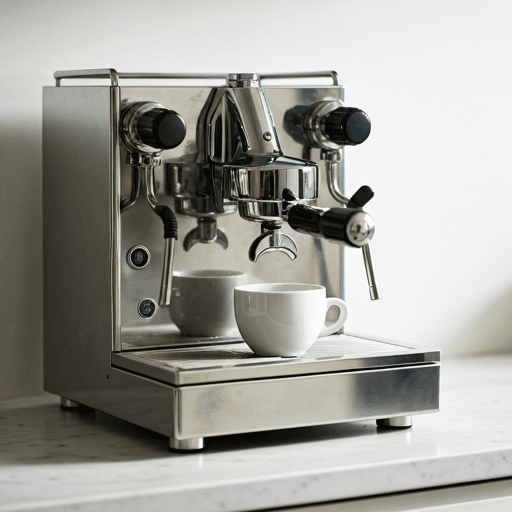
The Delonghi La Specialista is a line of manual, pump-driven espresso machines with a built-in grinder, made for home baristas who want to grind, tamp and steam by hand without buying a separate grinder. It sits a clear step above the slim Dedica and trades the one-button ease of a bean-to-cup automatic for real control over the shot. This guide maps the main models, from the compact Arte to the top Maestro, and explains the features that set them apart so you can pick the one that fits how you actually want to make coffee. (The brand styles itself De'Longhi with an apostrophe; we write Delonghi throughout for simplicity.)
What is the Delonghi La Specialista?
A Delonghi La Specialista is a 15-bar portafilter espresso machine with an integrated conical burr grinder. You load whole beans, grind a dose straight into the portafilter, tamp it, lock it into the group head, and pull a shot. Milk is steamed on a wand (or, on the top models, frothed automatically). In other words, it is a hands-on machine that happens to include the grinder and a few clever aids to make dialling-in less fiddly than a bare prosumer setup.
That places it between two very different kinds of machine. Below it, the Dedica is slimmer and cheaper but has no grinder, so you supply ground coffee or grind separately. Beside it, the fully automatic bean-to-cup machines grind, dose, tamp and brew at the press of a button with far less involvement. The La Specialista keeps you in the loop at every step, which is the whole point.
The signature features, and why they matter
Most of what you are paying for in this line is a set of features designed to take the guesswork out of espresso without taking over.
The built-in grinder
Every model has an integrated conical burr grinder that meters a dose by time and stops automatically. Entry models such as the Arte offer around eight grind settings, which is enough to find a workable espresso grind even if it gives you fewer micro-adjustments than a dedicated espresso grinder. The Opera and Touch widen that to about fifteen settings. Grinding fresh into the portafilter is the single biggest upgrade over a no-grinder machine like the Dedica, because espresso is unforgiving about stale, pre-ground coffee.
The Smart Tamping Station
This is the feature that defines the line for many buyers. On the models that have it, you slot the portafilter into a small station and pull a lever; the machine tamps the dose at a consistent pressure and leaves a level puck, with the grounds contained inside the machine rather than scattered over the counter. For a beginner, an even, repeatable tamp removes one of the most common causes of a sour or gushing shot. Note the exception: the most affordable model leaves tamping to you with a hand tamper from the included barista kit.
Sensor Grinding and Active Temperature Control
Most La Specialista models use Sensor Grinding Technology, which relies on sensors to deliver a more consistent dose grind after grind, and Active Temperature Control, which lets you pick a brewing temperature profile to suit the bean and roast. Entry machines typically offer three brewing temperatures; the higher models add more profiles and, on the newest, a Bean Adapt guide that walks you through grind, dose, pre-infusion and temperature. These are the kinds of variables that, on a basic machine, you would have no way to change.
Milk: manual wand versus automatic frothing
This is a genuine fork in the range. Several models use a manual steam wand (Delonghi calls its version MyLatteArt), which textures milk by hand and rewards practice with proper microfoam and latte art. The top models can instead froth milk automatically through the LatteCrema system, choosing froth level and temperature for the drink you selected. Manual gives you skill and control; automatic gives you consistency and speed. Neither is "better" in the abstract; it depends on whether you enjoy the milk work or just want the drink.
La Specialista models compared
Delonghi sells the La Specialista in three broad tiers. Model codes change by region and over time, so treat the codes below as a guide rather than gospel, and focus on the tier and its features.
| Model tier | Grinder and tamping | Milk | Heating | Best for |
|---|---|---|---|---|
| La Specialista Arte (EC9155) | Conical burr, ~8 settings; hand tamper from the barista kit | Manual steam wand | Single heating system | The most affordable way in; smaller counters; learners on a budget |
| La Specialista / Prestigio (EC9335 / EC9355) | Grinder plus the Smart Tamping Station; Sensor Grinding; Active Temperature Control | Manual steam wand | Dual heating (quick brew-to-steam) | The classic all-rounder; hands-on milk work without the wait |
| La Specialista Maestro / Opera / Touch (EC9665 / EC9555 / EC9455) | Grinder plus Smart Tamping; bean profiles; up to ~15 settings on Opera and Touch | Automatic LatteCrema milk; a manual wand too on Maestro and Opera | Dual heating; smoothest brew and steam | People who want presets, auto-milk, cold brew and the least fuss |
La Specialista Arte
The Delonghi La Specialista Arte (EC9155) is the compact, more affordable entry point. It keeps the built-in conical burr grinder and the MyLatteArt steam wand, but it asks you to tamp by hand with the supplied tamper, and it runs a single heating system, so you brew first and then switch to steaming with a short wait. It is the natural pick if counter space and budget are tight and you are happy to learn the tamp yourself.
The original La Specialista and Prestigio
The original La Specialista and the Prestigio are the heart of the range. They add the Smart Tamping Station and a dual heating system (two independent heaters) so you can move from pulling a shot to steaming milk with little or no wait. The Prestigio adds conveniences such as a small display and cup warmer. This tier is the sweet spot for most people who want hands-on espresso with the beginner-friendly tamp built in.
Delonghi La Specialista Maestro, Opera and Touch
The Delonghi La Specialista Maestro sits at the top, alongside the Opera and the touchscreen-equipped Touch. These keep the dual heating system but layer on more control: extra temperature profiles, saved bean profiles, and on several of them a Cold Extraction Technology mode that pulls a cold brew or iced coffee in under five minutes by bypassing the hot thermoblock. They froth milk automatically through the LatteCrema system (the Maestro and Opera keep a manual wand as well), and the Touch adds a colour touchscreen with around ten preset recipes and step-by-step guidance, which blurs the line toward a bean-to-cup experience while still letting you go fully manual. This is the tier for people who want every option and the least daily fuss.
How to choose a La Specialista
Work down this short checklist and the right tier usually becomes obvious.
- Manual wand or automatic milk? If steaming milk by hand appeals, the Arte or Prestigio cost less and teach you the craft. If you just want a reliable cappuccino, look to the auto-milk Maestro, Opera or Touch.
- Single or dual heating? Single heating (Arte) means a short pause between brewing and steaming. Dual heating (Prestigio and up) makes back-to-back milk drinks smoother and faster.
- How much tamping help do you want? The Smart Tamping Station genuinely flattens the learning curve. Only the Arte leaves tamping fully to you.
- Counter size. The Arte is the most compact; the Maestro and Touch are larger and need clearance for the bean hopper and water tank.
- Drinks you actually make. Espresso purists can stop at the Arte or Prestigio. Cold brew or iced coffee fans should look at the cold-extraction models in the Opera and Maestro range.
- Cleaning and descaling. All of them need regular care (more below); the auto-milk models add a milk circuit to rinse, which is a small extra chore.
- Budget, qualitatively. The Arte is entry-level, the original and Prestigio are mid-range, and the Maestro, Opera and Touch are the premium end of the line.
Where it sits in the Delonghi range
Within Delonghi, the La Specialista is the bridge between truly manual machines and full automatics. Below it, the Dedica is a slim, no-grinder pump machine for people who already have a grinder or buy ground coffee. Above and beside it, the Dinamica and Magnifica bean-to-cup automatics do everything at a button but give you less control over the shot. The La Specialista is the most hands-on of Delonghi's mainstream home machines, short of moving into commercial gear. If you are still weighing categories, our broader guide to Delonghi espresso machines lays out the trade-offs in more detail, including how the La Specialista line compares with the pump and pod machines around it.
Maintenance and care
A La Specialista rewards a simple routine. After each milk drink, purge and wipe the steam wand straightaway so milk does not bake on. Knock out the puck and rinse the portafilter and basket. Every week or two, run a cleaning cycle or backflush where supported to clear coffee oils from the brew path, and brush stray grounds out of the grinder and around the burrs. Descale on the schedule your water demands: roughly every one to three months, sooner if your water is hard, using a proper descaling solution rather than improvising, and always rinse through with fresh water afterwards. On the auto-milk models, run the milk-circuit clean after use. Our general guide to descaling and cleaning a coffee machine covers the why and how in full.
The bottom line
The La Specialista line is Delonghi's answer to a specific wish: real, hands-on espresso with a built-in grinder and enough smart help that a beginner can pull a decent shot in week one. Start from how involved you want to be. The Arte is the lean, affordable entry; the original and Prestigio add the Smart Tamping Station and dual heating; and the Maestro, Opera and Touch pile on automation, profiles and cold brew. Match the tier to your milk preference, your counter and your patience, and you will land on the right machine. From there, the fun is in the dialling-in.