
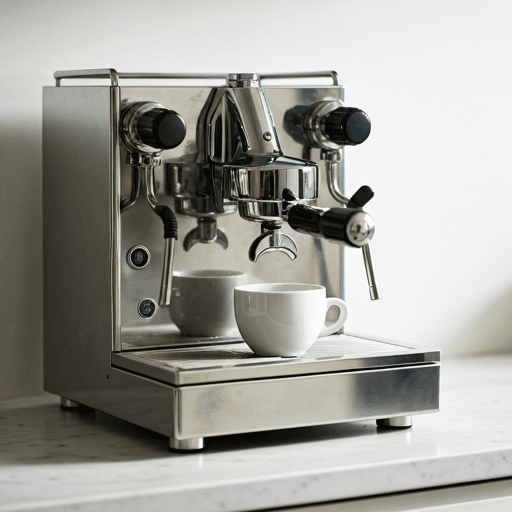
A coffee machine descaler is a mild acid that dissolves the hard mineral limescale building up inside your machine's water path. Descaling is only half the job, though. It clears scale, while cleaning removes the coffee oils and residue that turn your brew bitter. You need both, on different schedules. Here is exactly how to do each, whatever kind of machine you own.
Descaling vs cleaning: two different jobs
People use these words interchangeably, but they fix different problems. Get the distinction right and the rest is easy.
- Descaling removes limescale, the chalky mineral deposit left behind by water as it heats. It clogs the boiler, tubes and heating element, the parts you never see.
- Cleaning removes coffee oils and residue from the brewing path, the parts that touch your coffee, such as the basket, group head, carafe and milk system.
A descaler will not shift greasy coffee oils, and a coffee machine cleaner will not dissolve mineral scale. That is why a well-kept machine needs both, just on different timetables.
Why it matters
Limescale is the quiet killer. As it builds, it narrows the water channels and insulates the heating element, so your machine heats slower, brews weaker and eventually struggles to push water through at all. Hard water speeds this up dramatically. Scale also drops brewing temperature, which flattens flavour and weakens extraction. Left long enough, it shortens the life of the machine.
Old coffee oils are the other half of the story. Every brew leaves a thin, fatty film on baskets, screens and seals. That film goes rancid, and rancid oil is exactly what makes a clean machine suddenly produce harsh, bitter cups. Cleaning resets the flavour; descaling protects the hardware.
Choosing a coffee machine descaler
A coffee machine descaler is simply a food-safe acid that reacts with mineral scale and rinses it away. You have a few options:
- Commercial descaling solution. Sold as a liquid or sachet, this is formulated to be effective and rinse clean with no lingering smell. It is the safest default because it is designed for machine internals.
- Citric or lactic acid. Food-grade citric acid powder dissolved in water is an effective, low-odour home option. A roughly 1-to-2 tablespoon-per-quart (1 litre) mix is typical, but follow your product or manual.
- White vinegar. A common DIY descaling solution, and it does dissolve scale. However, many manufacturers advise against it: it can harm rubber seals and aluminium parts over time and leaves an odour that takes many rinses to clear. Always check your manual first, and if it forbids vinegar, use citric acid or a commercial product instead.
Whatever you choose, the golden rule is the same: rinse thoroughly afterwards. Any acid left in the system will taint the next cup.
How to descale a coffee maker, step by step
The method below works for most drip, pod, espresso and bean-to-cup machines. How often? Roughly every one to three months, more with hard water, or whenever the machine's own descale light prompts you.
- Empty and rinse the water tank. Remove any water filter cartridge first, as the acid can damage it.
- Mix the descaler with water at the ratio on the label, and fill the tank.
- Run it through the machine as if brewing, in cycles. Many machines have a dedicated descale program, so use it if yours does. Catch the liquid in the carafe or a jug and discard it.
- Let it sit if needed. For heavy scale, pausing mid-cycle for 10 to 15 minutes lets the acid work.
- Rinse, rinse, rinse. Run two or three full tanks of fresh, plain water through the machine until there is no taste or smell of descaler. Refit the water filter once you are done.
Do not skip the rinse. This single step is the difference between a clean machine and a sour first coffee. Your kettle scales up the same way, so it is worth descaling that on a similar schedule too.
How to clean a coffee machine (by type)
Cleaning the brew path is where the steps differ by machine. A general coffee machine cleaner, or warm soapy water for removable parts, handles most of it.
Drip coffee makers
Wash the carafe, brew basket and any permanent filter after every use, and air-dry them. Wipe the warming plate and the spray head where water drips onto the grounds. These parts collect oils fastest.
Espresso machines
Wipe the steam wand immediately after every use and purge a little steam to clear milk from inside it. Backflush machines that allow it (those with a three-way valve) using a blind basket and espresso cleaning detergent to clear oils from the group head, then soak the portafilter and baskets in cleaner. For brand-specific routines, see our Breville descaling guide.
Pod and capsule machines
Run a water-only cycle with no pod to flush the brew path, empty and rinse the used-pod bin, and wipe the pod holder and piercing needle. Pod machines hide oils where you cannot see them, so a regular water flush matters. Our guide to cleaning a Keurig coffee maker walks through a pod machine in detail.
Bean-to-cup machines
If the brew unit is removable, take it out and rinse it under the tap (no soap), then let it dry. Run the machine's milk-system cleaning cycle with a milk detergent, or at minimum rinse the milk lines daily, since milk proteins and fats cling to the tubing. Empty the grounds drawer and drip tray regularly.
How often to descale and clean: a quick schedule
| Task | How often |
|---|---|
| Wipe steam wand / purge milk | After every use |
| Wash carafe, basket, drip tray, pod bin | After every use or daily |
| Rinse milk system | Daily (deep clean weekly) |
| Backflush espresso group (with detergent) | Weekly |
| Soak portafilter and baskets in cleaner | Weekly to monthly |
| Rinse / remove and rinse brew unit | Weekly |
| Descale (soft water) | Every 2 to 3 months |
| Descale (hard water or when prompted) | Every 4 to 6 weeks |
Prevention: scale and clean less often
The best descaling is the descaling you avoid. A few habits keep buildup down:
- Use filtered or softened water. Most scale comes from minerals in hard water, so a built-in filter cartridge or filtered water in the tank slows it sharply.
- Empty the tank after use. Standing water deposits more scale and can grow biofilm.
- Wipe the steam wand and dry removable parts so oils and milk never have a chance to set.
- Don't ignore the descale light. It is tracking your usage, so act when it prompts.
A quick checklist to close on: descale on schedule with a proper coffee machine descaler, clean the brew path with a cleaner, always rinse with fresh water, and lean on filtered water to prevent scale in the first place. Do that and your machine will pour hotter, taste cleaner and last years longer. For more on keeping equipment in shape, browse our guide to coffee machines for home and our advice on how to choose a coffee maker.