
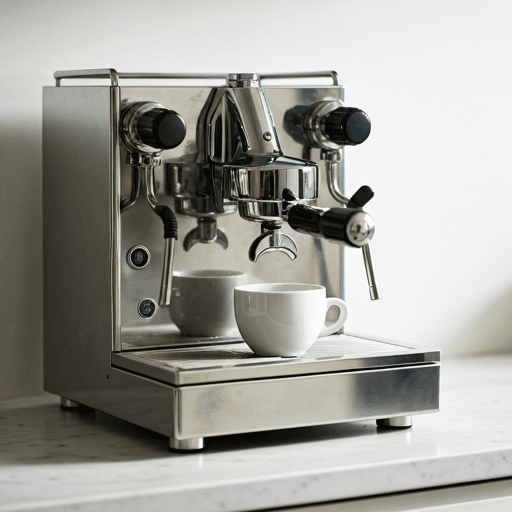
Choosing a De'Longhi espresso machine comes down to one question: how hands-on do you want to be? At the simple, hands-on end sit manual pump machines like the Stilosa and the slim Dedica, where you grind, dose, tamp and steam yourself. In the middle sit semi-automatic models such as the La Specialista range, which keep you in control but smooth out the fiddly steps. At the easy end sit the bean-to-cup automatics (Magnifica, Eletta, PrimaDonna), which grind and brew at a button press. This guide walks the whole lineup so you can match a machine to your kitchen, your patience and your morning.
De'Longhi is an Italian appliance maker based in Treviso, with roots going back to 1902 and a consumer brand built from the 1970s onward. It is one of the most recognizable names in home coffee, and its espresso machines span almost every style a home barista could want. Below, we group them by how much the machine does for you, not by price tag.
What a De'Longhi espresso machine actually is
An espresso machine forces hot water through finely ground, tamped coffee at high pressure, producing a small, concentrated shot with crema on top. De'Longhi makes three broad families that all deliver espresso in different ways. The first is the manual pump machine: you do the work, the machine provides pressure and steam. The second is the semi-automatic (the La Specialista line), which builds the grinder, dosing and tamping into the machine while still letting you pull a shot. The third is the bean-to-cup super-automatic, which automates everything from grinding to milk.
If you want the broader picture of every machine the brand sells, including pod machines and drip, see our companion overview of the full De'Longhi coffee machine range. This page stays focused on the espresso side.
A quick note on pressure
You will see "15 bar" and "19 bar" on the boxes. Espresso extraction only needs around 9 bar at the puck. The higher headline numbers refer to the pump's maximum, not the brewing pressure, so a bigger number does not automatically mean better coffee. Build quality, temperature stability and grind matter far more.
The De'Longhi Italian espresso machine families, compared
Here is the lineup at a glance. Think of it as a ladder from most hands-on to most hands-off. This De'Longhi Italian espresso machine range covers nearly every comfort level, so the right pick is the one that matches how you actually make coffee each morning.
| Family | Type | Who does the work | Best for |
|---|---|---|---|
| Stilosa | Manual pump | You grind, dose, tamp, steam | Absolute beginners, smallest budget |
| Dedica | Manual pump (slim) | You do everything, on a narrow body | Tight counters, hands-on learners |
| La Specialista | Semi-automatic | Machine grinds and tamps; you brew | Aspiring home baristas |
| Magnifica / Eletta / PrimaDonna | Bean-to-cup automatic | The machine does it all | Convenience, busy households |
Stilosa: the entry pump machine
The Stilosa is De'Longhi's simplest, most affordable espresso machine. It is a manual pump model with a portafilter and a steam wand. There is no built-in grinder, so you pair it with a separate grinder and learn to dose and tamp by hand. It rewards practice and punishes shortcuts, which makes it a genuine teaching machine. If you enjoy tinkering and want to understand espresso from the ground up, it is a fair starting point. If you want a flat white in 90 seconds half asleep, it is not.
Dedica: slim, manual and counter-friendly
The Dedica espresso machine is the one to know if your kitchen is short on space. The classic Dedica body is famously narrow, roughly 15 cm wide, so it tucks into a corner where most machines will not fit. It is still a manual pump machine, so you control the grind, dose, tamp and milk frothing yourself, but it adds niceties like a thermoblock that heats quickly and adjustable shot settings. There is also a newer Dedica Maestro that pushes the range upmarket with more brewing temperatures and a better steam wand. The Dedica suits someone who wants real hands-on espresso without surrendering half a worktop.
La Specialista: semi-automatic, built for learning
The La Specialista line is where De'Longhi tries to give you barista control without the mess. These are semi-automatic machines with an integrated burr grinder, a sensor that doses the grounds, and a smart tamping station built into the machine, so you pull a lever instead of wrestling a loose tamper. The mid-and-upper models add a dual heating system, meaning one circuit brews while a second steams milk, so you are not waiting between shot and froth.
The family climbs in capability:
- La Specialista Arte: the most compact, manual milk frothing, a few infusion temperatures. A strong "learn the craft" machine.
- La Specialista Arte Evo: adds a cold extraction mode (developed with the Specialty Coffee Association) for cold-brew-style drinks at low pressure.
- La Specialista (Prestigio / Touch): the mid range, with the sensor grinder, dual heating and an advanced latte system.
- La Specialista Maestro: the top of the range, with more infusion temperatures and automatic milk frothing via the LatteCrema carafe system.
If espresso specifically is your goal and you want to compare across brands, our cross-brand espresso machine comparison puts the La Specialista against Breville (sold as Sage in some countries) on the same terms.
Bean-to-cup automatics: the hands-off end
The Magnifica, Eletta and PrimaDonna are super-automatic, bean-to-cup machines. You load whole beans and water, press a button, and the machine grinds, doses, tamps, brews and (on most models) froths the milk. They are bulkier and cost more than the manual machines, but for a busy household that wants consistent cappuccinos with no skill curve, they are the practical answer. The PrimaDonna sits at the premium end with more drink presets and app control; the Magnifica is the workhorse entry into the category. These are technically espresso machines too, just fully automated ones.
How to choose your De'Longhi espresso machine
Work through these questions in order. They will narrow the field faster than any spec sheet.
1. How much do you want to do yourself?
If you find the ritual relaxing and want to improve, go manual (Dedica or Stilosa) and pair it with a good grinder. If you like the idea of pulling shots but want the fiddly parts handled, the La Specialista is the sweet spot. If you just want great coffee with zero effort, buy a bean-to-cup automatic and don't look back.
2. Do you have a separate grinder?
Manual machines like the Stilosa and most Dedicas do not grind. Fresh, consistent grind matters more to espresso than almost anything else, so factor a grinder into the decision. Our guide to choosing a coffee grinder explains why burr beats blade and what grind size espresso needs. The La Specialista and the bean-to-cup machines have grinders built in, which simplifies the buy.
3. How much counter space do you have?
The Dedica is the space-saver. Bean-to-cup automatics are the footprint-eaters. Measure your worktop, including the clearance above for the bean hopper or to lift the lid, before you fall for a model online.
4. How do you take your milk?
Black coffee drinkers can ignore milk systems entirely and save money. Cappuccino and latte drinkers should decide between a manual steam wand (more control, more skill, found on Dedica and lower La Specialista models) and an automatic milk carafe (effortless, found on Maestro and the bean-to-cup range). If you want to understand the drinks first, start with what espresso actually is and how a latte is built.
Manual pump vs bean-to-cup: the honest trade-off
This is the decision most people agonize over, so here it is plainly.
| Manual pump (Dedica, Stilosa) | Bean-to-cup automatic | |
|---|---|---|
| Effort per cup | Higher — you grind, tamp, steam | Minimal — press a button |
| Skill curve | Real; rewards practice | Almost none |
| Control over the shot | Full | Limited to presets |
| Counter footprint | Small (especially Dedica) | Large |
| Relative cost | Lowest entry, plus a grinder | Higher; grinder included |
| Maintenance | Simpler internals | More moving parts to descale and clean |
Prices vary widely by country and retailer, and they change often, so treat any single figure you see online as a snapshot rather than gospel. The useful way to budget is in tiers: a manual Stilosa or Dedica is the entry tier, the La Specialista sits in the mid-to-upper tier, and the PrimaDonna automatics are the premium tier. Remember to add a grinder to the cost of any manual machine.
Living with the machine: care and habits
Whatever you pick, three habits keep it pouring well. Descale on schedule, because limescale is the silent killer of every heated coffee machine. Backflush or rinse the brew group and wipe the steam wand after each use so milk and oils do not bake on. And dial in your grind: too coarse and the shot gushes thin, too fine and it chokes. If you are new to that last part, our walkthrough on making espresso at home covers the dose, tamp and timing basics that apply to any of these machines.
For the manual models especially, your grinder and your beans will make a bigger difference than the badge on the machine. A modest pump machine with a good grinder and fresh coffee will beat an expensive automatic running stale supermarket beans every time.
The bottom line
De'Longhi's espresso lineup is wide enough that almost anyone can find a fit. Pick the Dedica or Stilosa if you want a compact, affordable, hands-on machine and enjoy the process. Pick the La Specialista if you want real barista control with the messy steps engineered out. Pick a Magnifica, Eletta or PrimaDonna if convenience and consistency beat craft for you. Once you have narrowed it down, compare the espresso-focused models against other brands in our Breville espresso machine guide, and keep exploring the wider De'Longhi range if pods or drip might suit a second machine. The best espresso machine is simply the one that matches the coffee you will actually make.