
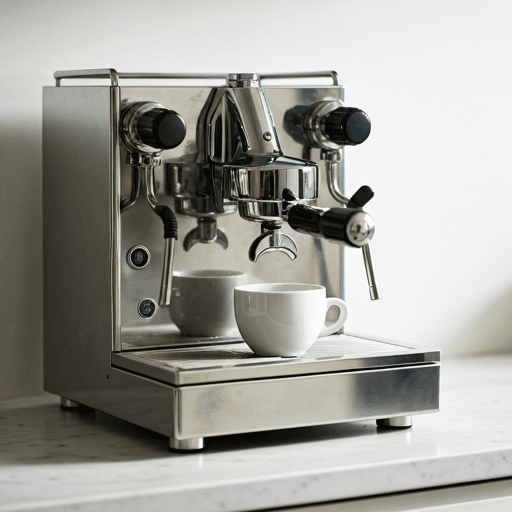
A cappuccino machine is, in plain terms, an espresso machine that can also texture milk — because a cappuccino is espresso, steamed milk and a thick cap of foam in roughly equal parts. So choosing one is really two decisions rolled into one: how well it pulls espresso, and how it froths the milk. This guide compares the main types of cappuccino machine, weighs control against convenience, and gives you a checklist so you can match a machine to the kind of barista you actually want to be.
There is no single appliance officially called a "cappuccino machine." It is a category that spans hands-on espresso machines, one-touch bean-to-cup units and pod machines — anything that can make a shot and put properly aerated milk on top. Keep that in mind and the marketing gets a lot easier to read.
What a cappuccino machine really is
To understand the buying decision, it helps to know what the drink demands. A traditional cappuccino is built from three parts in roughly equal measure: a shot of espresso, steamed milk, and a thick layer of microfoam on top. (If you want the full picture of the drink itself, see our explainer on what a cappuccino is.) That foam cap is the defining feature — and it is the harder half of the machine's job. Pulling a decent shot is increasingly automated; texturing milk into a velvety, glossy foam is where machines genuinely differ.
So every cappuccino machine has to answer two questions. First, how does it make espresso — by hand, automatically, or from a sealed capsule? Second, how does it froth milk — with a steam wand you operate, an automatic system, or a separate frother? Almost every trade-off you will weigh comes back to those two axes. Because the espresso side overlaps heavily with general espresso buying, this guide focuses on the cappuccino angle; for the broader picture of pumps, boilers and pressure, pair it with our guide on how to choose an espresso machine.
Types of cappuccino machine, compared
Here is the quick map. Think of it as a spectrum running from "you are the barista" to "the machine is the barista," with the milk method shifting alongside the control you keep.
| Type | Milk method | Control vs convenience | Best for |
|---|---|---|---|
| Manual / semi-automatic espresso machine | Manual steam wand | Most control, real skill ceiling, learning curve | Hands-on enthusiasts who want cafe-grade microfoam and latte art |
| Super-automatic / bean-to-cup | Automatic frother or milk carafe | One-touch convenience, limited control | Busy households and offices that want a cappuccino at a button |
| Pod / capsule with frother or steam wand | Standalone frother, or an auto steam wand on premium models | Low effort, very consistent, capped quality | Lowest-fuss kitchens that still want a milk drink |
| Combo with automatic milk carafe | Self-steaming carafe | Hands-free milk, decent texture, less temperature control | People who want one-touch lattes and cappuccinos without a wand |
Manual and semi-automatic espresso machines with a steam wand
This is the classic cappuccino machine and the one a barista would recognize. You grind, dose and tamp the coffee, the pump pushes water through it, and a separate steam wand lets you texture milk in a jug by hand. The steam wand is the key part: you submerge it in cold milk, introduce a little air to "stretch" the milk, then sink the tip to roll and heat it into glossy microfoam. Done well, this produces the best foam of any home method and the silky texture latte art needs.
The trade is a learning curve. Steaming milk by hand takes practice — angle, depth and timing all matter, and your first few jugs will be too bubbly or too hot. These machines also ask you to dial in the espresso yourself. But for anyone who enjoys the craft, nothing else gives the same control or the same ceiling. A semi-automatic with a quality steam wand is the format most home enthusiasts settle on.
Super-automatic and bean-to-cup machines
A super-automatic, usually sold as "bean-to-cup," automates the whole chain. It has a built-in burr grinder, doses and tamps internally, pulls the shot, and on milk-capable models froths the milk for you too. You add beans and water, press the cappuccino button, and the machine grinds, brews and aerates milk into the cup in one go. For a busy kitchen or a shared office, the convenience is hard to beat.
The trade is control and ceiling. You cannot shape the foam the way a steam wand lets you, so the texture is reliable rather than expressive — clean enough for an everyday cappuccino, but rarely the dense microfoam of a careful hand-steam. The milk system on these machines comes in a few forms, covered below. If one-touch is your priority, dig into our dedicated bean-to-cup coffee machine guide for how the category is laid out.
Pod and capsule machines with a frother or steam wand
Capsule machines are the lowest-effort way to a milk drink. Most have no built-in milk system at all — instead they pair with a separate frother (often sold as a set) that heats and whips milk while the machine pulls a capsule shot. You combine the two in the cup. The result is consistent and quick, though the espresso quality is capped because you cannot adjust grind, dose or pressure.
Premium pod machines change the picture. The Nespresso Creatista line (made by Sage/Breville), for example, adds an automatic steam wand to a capsule machine: you pour milk into a jug, the wand steams it automatically with adjustable temperature and foam-texture settings, and you choose a cappuccino, flat white or latte from a menu. That brings genuine steamed-milk texture to a near-foolproof system. It sits at a higher price tier than a basic capsule-plus-frother bundle, but it is a real middle ground between pods and a manual machine.
Combo machines with an automatic milk carafe
Many super-automatics and some semi-automatics offer a clip-on milk carafe (sometimes called a one-touch milk system). You pour milk into the carafe, attach it, and the machine draws milk through a tube, aerates it and dispenses foam straight into the cup at a button press. It is the hands-free route to a cappuccino: no jug, no steaming technique. Texture is usually a step better than the cheapest steam-wand-style frothers, though you typically get less control over exact milk temperature, and the carafe and tubes need a regular rinse cycle to stay clean.
The milk side: steam wand vs automatic frother vs standalone frother
Because the foam is what makes a cappuccino, the milk system deserves as much weight as the espresso side. There are three broad approaches, and they map closely to how much you want to be involved.
- Manual steam wand (pro style): the wand a barista uses. Maximum control over both texture and temperature, the best microfoam, and the only route to real latte art — but it takes practice. Found on semi-automatic machines and premium pod machines.
- Panarello / assisted wand: a sleeved wand on many entry bean-to-cup machines that pulls in air automatically. Easy and forgiving on temperature, but it gives bubblier, less refined foam — fine for a casual cappuccino, short of speciality texture.
- Automatic frother or milk carafe: the machine aerates milk for you, via a clip-on carafe or a "cappuccinatore" tube dropped into a milk bottle. Convenient and consistent texture; usually less control over exact temperature.
- Separate standalone frother: an independent jug-style or handheld device that froths milk apart from the coffee machine — common alongside pod and drip setups. Flexible and cheap to add later.
If you are weighing a standalone frother, or want to understand jug frothers versus handheld wands in detail, our milk frother guide breaks down every type and which suits which drink. The headline question is simple: do you want to learn to texture milk, or do you want it done for you? Your honest answer points to the machine.
What to look for in a cappuccino machine
Once you have picked a family, a handful of features do the heavy lifting. Use this as a checklist.
- Steam power and milk control: for a wand, you want strong, steady steam and ideally an adjustable temperature and texture. Weak steam makes thin, slow, disappointing foam. On automatic systems, look for adjustable foam levels.
- Milk system type: decide between a manual wand (control), an automatic carafe (convenience) or a separate frother (flexibility) before you compare models. This single choice narrows the field fast.
- Ease of use vs control: be honest about your mornings. A semi-automatic asks for a few focused minutes; a one-touch machine asks for a button. Buying more control than your routine supports is the most common regret.
- Heating system — single boiler vs dual boiler/thermoblock: a single boiler makes you brew, then wait for it to reach steam temperature before frothing — fine for one or two drinks. A thermoblock heats fast on demand. A dual boiler (or heat exchanger) lets you pull a shot and steam milk at the same time, which matters if you make several cappuccinos back to back.
- Built-in grinder (on bean-to-cup): if the machine grinds its own beans, check the grinder is genuinely adjustable and fine enough for espresso. A weak built-in grinder undermines the whole machine.
- Size and footprint: cappuccino machines, especially with a carafe or bean hopper, can be tall and deep. Measure your counter and the gap under your cabinets before you buy.
- Cleaning and descaling: milk systems must be rinsed after every use or they clog and sour, and every machine needs periodic descaling. Removable, dishwasher-safe carafes and automatic rinse cycles save real hassle.
How to choose, by who you are
Forget the spec sheet for a second. Most buyers fall into one of a few camps.
- You want to learn the craft and chase cafe-grade foam. A semi-automatic espresso machine with a proper steam wand, paired with a good grinder. Accept the learning curve; it pays off.
- You want a great cappuccino at the touch of a button. A super-automatic / bean-to-cup machine with an automatic milk carafe. One press, minimal fuss.
- You want the lowest possible effort but still a milk drink. A capsule machine with a frother, or a premium pod machine with an automatic steam wand if you want better texture.
- You make several milk drinks in a row, often. Prioritize a dual boiler or heat exchanger so you are not waiting between brewing and steaming.
- You are tight on space or budget. A compact semi-automatic plus a separate standalone frother is a flexible, lower-cost path that still lets you froth milk well.
On cost, think in tiers rather than numbers — entry-level, mid-range and premium — since prices vary widely by country and retailer. As a rule, manual steam-wand machines and high-end one-touch bean-to-cup units sit at the top, basic pod-and-frother setups at the bottom, and most capable everyday machines in the middle.
The bottom line
Choosing a cappuccino machine comes down to one honest question: how involved do you want to be in the milk? If texturing foam by hand sounds like a pleasure, a semi-automatic with a real steam wand is your machine. If it sounds like a chore, a one-touch bean-to-cup or a carafe system will hand you a tidy cappuccino every morning with no technique required. Set your milk method first, let the heating system and cleaning details break the tie, and you will land on a machine you actually enjoy using. Once your milk routine is settled, keep exploring the coffee hub for more on the espresso shots and milk drinks you will be making.