
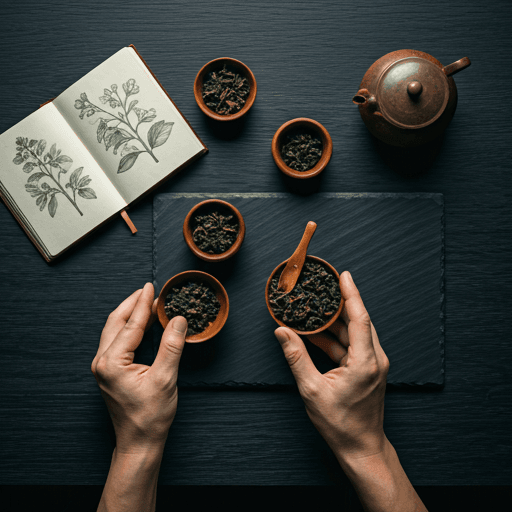
If you have been searching "tea shop near me", the honest answer is that a great cup of tea in India can come from three very different places: a neighbourhood tea point or kirana for everyday CTC and chai, a specialist whole-leaf store or estate brand for premium Assam and Darjeeling, and online sellers who ship fresh single-estate tea to your door. This guide walks you through each option, what to actually look for when you buy loose tea, and how to turn good leaves into a consistently good cup at home, in the office, or in a cafe.
What people really mean when they search "tea shop near me"
A "tea shop" in India means at least four different things depending on who is searching and where they are standing:
- The roadside tea point or tapri — a stall selling hot, ready-made cutting chai for ₹10–20 a cup. This is what most "tea near me" searches on the move are actually looking for.
- The retail tea shop or kirana — where you buy loose CTC tea, dust tea, or branded packs (Tata Tea, Red Label, Wagh Bakri, Society, Taj Mahal) by weight to brew at home.
- The specialist whole-leaf store — tasting-focused shops and estate outlets selling first-flush Darjeeling, orthodox Assam, Nilgiri, green and white teas, often loose by the 50g or 100g.
- The chai chain or cafe — Chai Point, Chaayos, Tea Trails and similar, where you sit, work, and order a freshly brewed cup.
Knowing which of these you want changes where you should go. Below we cover all four, plus the online route, so you can match the search to the right shop.
Where to buy loose tea near you: the 5 main options
Here is how the realistic options stack up for an Indian buyer, from cheapest everyday tea to premium whole leaf.
| Where to buy | Best for | Typical price (INR) | Freshness & choice |
|---|---|---|---|
| Local tea point / tapri | A ready hot cup on the go | ₹10–25 per cup | Made fresh, no choice of leaf |
| Kirana / supermarket | Everyday CTC & branded packs | ₹120–300 per 250g | Convenient, mass-market grades |
| Specialist / estate tea shop | Whole-leaf Darjeeling, Assam, green | ₹200–800 per 100g | Best in-person, you can smell & taste |
| Online tea brands (Vahdam, Teabox, brand stores) | Single-estate, fresh harvest, variety | ₹150–900 per pack | Freshest harvest, widest range, doorstep |
| Chai chain / cafe | Sitting, working, a brewed cup | ₹40–150 per cup | Consistent, no leaf to take home |
For everyday home chai, your nearest kirana or supermarket is usually fine — most Indian households run on a familiar pack of Tata Tea, Red Label or Wagh Bakri. If you have started caring about where the tea is from, that is when a specialist tea shop or a good online estate brand is worth the extra rupees.
Finding a good tea point or tapri near you
For a hot cup right now, the fastest path is a maps search for "tea point" or "chai near me", sorted by rating and distance. A good tea point is busy at peak hours (a sign the chai turns over fast and is fresh), uses fresh milk, and brews to order rather than letting a pot sit for hours. In most cities you will also find an Irani cafe tradition worth seeking out — see our guide to Irani cafes and cafes open now near you and the wider world of chai chains near you.
Choosing a specialist or estate tea shop
A specialist tea shop is where loose tea gets interesting. Look for one that lets you smell the leaf before buying, labels the estate and flush (for example "Darjeeling First Flush" or "Assam Second Flush Orthodox"), and sells in sealed pouches rather than from open jars exposed to light and air. City-level guides like our Kolkata page and Mumbai page can point you toward areas known for tea retail, and our brand explainer on the best Indian tea brands helps you decode what is on the shelf.
How to spot a good tea shop in 30 seconds
Whether it is a tapri or a polished estate boutique, the same quick tells separate a good tea shop from a forgettable one. Run this mental check before you buy:
- Turnover. A busy shop or a fast-moving shelf means fresher stock. Dusty packets at the back are a warning sign.
- Honest labelling. Good shops name the estate, region and flush, and will tell you the harvest year if you ask. Vague "premium Assam" with no detail usually means blended, older leaf.
- Willingness to let you smell. A specialist who opens the pouch and lets you sniff the leaf is confident in it. Sealed-but-sniffable beats a row of open jars baking under shop lights.
- Storage. Tea hates light, heat, air and strong smells. Leaf stored next to spices or detergents picks up odours fast — look for cool, sealed, opaque packaging.
- Fair pricing per gram. Convert everything to price per 100g so you can compare a ₹250 pouch against a ₹600 one honestly. Premium is fine; mystery markup is not.
What to look for when you buy loose tea
Whether you walk into a tea shop or order online, the same quality signals apply. Use this checklist so you are not paying premium prices for ordinary leaf.
- Leaf style — CTC vs orthodox vs whole leaf. CTC (Crush-Tear-Curl) gives the strong, quick, milky chai most Indians drink daily. Orthodox and whole-leaf teas unfurl slowly and are made to be tasted, often without milk. Decide which cup you want before you buy. Our explainer on tea leaves vs tea powder breaks this down.
- Origin and flush. Assam for bold, malty strength; Darjeeling for light, floral "muscatel"; Nilgiri for clean, bright cups. First-flush teas (spring) are prized and pricier; second-flush carry more body. See our Assam & black tea guide and Darjeeling tea guide.
- Freshness and harvest date. Tea is not wine — it does not improve with age. Good online sellers print a harvest year; a good shop turns stock over quickly. Buy in quantities you will finish in 2–3 months.
- Aroma and appearance. Fresh tea smells alive and slightly sweet, not flat or dusty. Whole leaves should look intact, not crushed to powder (unless you specifically want dust-grade for fast, strong chai).
- Packaging. Light, air and moisture are the enemies. Prefer sealed, opaque, resealable pouches over loose scoops from an open jar.
Black, green, or herbal — which loose tea to buy
If you are exploring beyond your usual chai, a quick map helps. For strong milk tea, buy Assam or a CTC blend. For an everyday lighter cup, try Nilgiri or a Darjeeling. For a caffeine step-down, green tea is the obvious move — our complete green tea guide for India and best green tea brands cover what to pick. For caffeine-free evenings, look at herbal teas like chamomile, tulsi and hibiscus.
Buy by season: when the freshest leaf actually lands
One advantage of caring about where your tea is from is that you can also buy when it is at its best. Darjeeling first flush arrives in spring (roughly March to April) and is light and aromatic; the prized second flush, with that muscatel character, lands around May to June. Assam's bolder second flush also peaks in early summer. If a shop or online store is selling current-year flush at those windows, you are getting tea close to its peak — a genuine reason to time a premium purchase rather than buying the same packet year-round.
Buying tea online vs at a tea shop near me
The "tea shop near me" instinct is about convenience and a hot cup now. But for buying leaf to brew yourself, online has quietly become the better option for many Indian buyers — here is the honest trade-off.
| Factor | Local tea shop | Online tea brands |
|---|---|---|
| Speed | Instant — walk in and buy | 1–4 days delivery |
| Smell & taste before buying | Yes, a real advantage | No — rely on reviews & samplers |
| Freshness / harvest dating | Varies by shop turnover | Usually dated, often current-year harvest |
| Range of estates & flushes | Limited to what is stocked | Very wide, including single-estate lots |
| Price for premium leaf | Can be higher, less transparent | Often better value, frequent offers |
Brands like Vahdam and Teabox ship fresh-harvest loose tea across India, often with free shipping over a small order value (commonly around ₹500–600), while everyday names like Tata Tea, Red Label and Wagh Bakri are available on every grocery and quick-commerce app. A simple rule: buy your daily CTC locally for convenience, and order premium whole-leaf online where freshness and choice matter most. If you are buying a pricier estate tea for the first time, start with a small pack or a sampler set rather than a full tin — it is the cheapest way to find out whether a flush suits your palate.
From leaf to cup: brewing the tea you buy
Great leaf still needs a decent brew. A few India-specific pointers:
- For masala chai: simmer CTC with water, milk, sugar and spices — full method in our how to make masala chai at home guide, plus a chai masala spice blend recipe to make your own mix.
- For whole-leaf black tea: use fresh, just-off-boil water, around 3–4 minutes steep, and taste as you go. Over-steeping makes it bitter.
- For green tea: use cooler water (around 75–80°C) and a shorter 2–3 minute steep so it does not turn astringent.
- Gear: a strainer, a teapot or a mug infuser is enough to start. See tea serving essentials for cups, strainers and table kit.
Store the leaf you bring home in an airtight, opaque tin away from the stove, spices and sunlight, and it will hold its character for months. If you are serving many cups a day — a family that drinks chai all day, an office, or a cafe — consistency and speed start to matter more than any single perfect cup.
The bottom line
So when you search "tea shop near me", first decide what you actually want: a hot cup right now (a tea point or chai cafe), everyday leaf for home chai (your kirana or supermarket), or premium whole-leaf to brew and savour (a specialist shop or a fresh-harvest online brand). For most Indian readers the best setup is a mix — convenient local tea for daily cups, and one good online or specialist source for the leaf you really care about. Either way, you now know exactly where to buy the tea you want — and how to make it taste its best.