
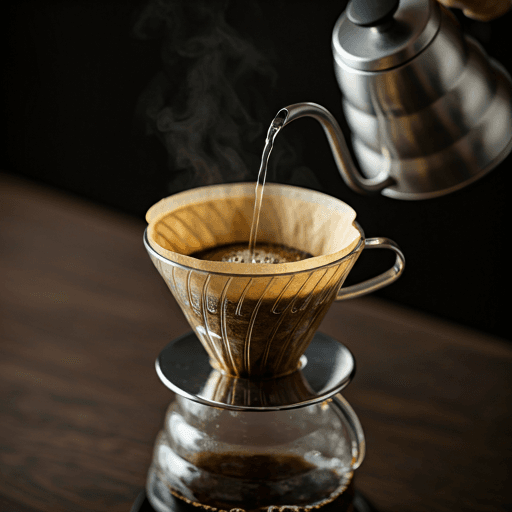
Cafe crema is a long, mild espresso-based coffee — a larger cup, usually somewhere between 120 and 240 ml, made by pushing more water than usual through an espresso machine in a single pass. It is the everyday "big coffee" of the German-speaking Alpine world, popular in Switzerland, Germany, Austria and northern Italy. Despite the name, cafe crema is a drink, not the thin golden foam — the crema — that forms on top of an espresso shot.
If you have ever ordered a coffee in a Zurich or Vienna cafe and received a generous cup that tasted smoother and rounder than a small, punchy espresso, there is a good chance it was a cafe crema. Here is what the drink actually is, why its name causes so much confusion, and how it differs from its close cousins the americano and the lungo.
What is cafe crema, exactly?
A cafe crema is essentially a "long" espresso: the same ground coffee and the same machine, but pulled with a much larger volume of water so the finished cup is bigger and gentler. Where a single espresso lands around 25 to 30 ml, a cafe crema runs long — often 120 to 240 ml — producing a drink that is milder, less syrupy and easier to sip over a longer sitting.
The result is not weak, exactly, but it is softened and diluted compared with a straight shot. The extra water pulls more coffee out at a lower concentration, so you trade the intense, concentrated bite of espresso for a rounder, almost tea-like body. Baristas usually reach for a slightly coarser grind and a longer extraction so the shot can flow that far without turning harsh and over-extracted. Because it still comes out of an espresso group — or a super-automatic machine — it carries a layer of crema on top, which is exactly where the naming trouble begins.
Cafe crema the drink vs crema the foam
The single most confusing thing about this coffee is its name. Crema on its own is the tan, slightly foamy layer that floats on a well-pulled espresso: the emulsion of coffee oils, dissolved solids and carbon dioxide that a pressurised extraction produces. That foam is a quality marker on almost any espresso, and it has nothing to do with how big the drink is.
Cafe crema, by contrast, is the name of a whole beverage — the long, mild cup described above. Searchers sometimes call it the coffee crema drink, but the overlap in wording is pure coincidence: the beverage was named for the appealing crema it carries, not because the two words mean the same thing. If you want to understand the foam layer itself — how it forms, what it tells you and why it fades — that is a separate subject covered in our guide to coffee crema. On this page, cafe crema always means the drink in the cup.
What does a cafe crema taste like?
Because it is espresso stretched with more water, a cafe crema tastes like a softer, more approachable version of the shot it came from. Expect a smooth, rounded cup with gentle acidity, a light-to-medium body and far less of the sharp, concentrated punch of a straight espresso. It is almost always served black, though some drinkers add a little milk or sugar on the side. On caffeine, a cafe crema is usually built on one espresso's worth of coffee, so it tends to sit in the same ballpark as a single shot — but the exact amount varies with the beans, the dose and how long the shot is pulled, so treat any figure as a rough guide.
In its home cafes it is typically served in a larger cup or glass than an espresso, often with a small biscuit or a glass of water alongside. Because it is long and mild, it suits slow, conversational drinking rather than a quick standing shot at the bar — the kind of coffee you nurse through a newspaper or a chat.
Where cafe crema comes from
Cafe crema — sometimes written caffe crema in Italian, or cafe creme in the German-speaking regions — grew up in the Alpine belt where espresso culture met a taste for larger cups. In Switzerland, Germany, Austria and the far north of Italy, drinkers often wanted something bigger and less fierce than a thimble of espresso, yet more characterful than filter coffee. Pulling the espresso long, straight into a bigger cup, gave them exactly that.
The style spread partly on the back of machine design. Many home and office super-automatic machines now include a dedicated cafe creme or cafe crema button that dispenses a preset long shot at a single press. That built-in setting did a lot to popularise the drink well beyond its Alpine heartland, turning it into a default "regular coffee" option on bean-to-cup machines around the world. So while it began as a simple barista technique — just running the shot longer — it is now just as often a factory-programmed volume.
Cafe crema vs americano vs lungo
Because all three are "diluted espresso" in some sense, cafe crema, the americano and the lungo get endlessly mixed up. The real difference comes down to method and timing.
An americano is built in two stages: you pull a normal espresso shot, then add hot water to it afterwards. The coffee is extracted at full strength and only diluted once it is already in the cup. A cafe crema, by contrast, is brewed long in one continuous pass — all the water runs through the coffee during extraction, never poured in later. That single difference shapes the flavour: an americano keeps more of the concentrated espresso character simply thinned down, while a cafe crema is gentler and more evenly extracted from start to finish.
A lungo sits in between. It is also pulled long in one pass, like a cafe crema, but it stops much sooner — a lungo is a smaller, more concentrated long shot of perhaps 90 to 130 ml, whereas a cafe crema keeps flowing into a genuinely large cup. Think of the lungo as the short end of the long-pull family and the cafe crema as the long end.
| Drink | Method | Typical size | Strength and character |
|---|---|---|---|
| Cafe crema | Espresso pulled long in one pass (more water, often a coarser grind) | ~120–240 ml | Mild, rounded and smooth; the biggest and gentlest of the three |
| Lungo | Espresso pulled long in one pass, stopped sooner | ~90–130 ml | More concentrated than a cafe crema; can turn slightly bitter if pushed too far |
| Americano | A normal espresso shot with hot water added afterwards | ~120–240 ml | Espresso character, diluted; strength depends on how much water you add |
For a wider map of how these sit alongside cortados, flat whites and cappuccinos, see our overview of espresso drinks explained.
How to make a cafe crema
Making a cafe crema at home is mostly a matter of letting the shot run longer than you would for a straight espresso. If your machine has a cafe creme or long-coffee button, that setting does the work for you, dispensing the larger preset volume automatically. On a manual or semi-automatic machine, you simply keep the pump running past the point where you would normally cut off a shot, letting the flow continue until the cup reaches the size you want.
The one adjustment worth making is the grind. Forcing that much water through a fine espresso grind for that long tends to over-extract and turn bitter, so a slightly coarser grind — and sometimes a slightly larger dose — helps the coffee flow smoothly and stay balanced across the whole long pour. Start from your usual espresso shot recipe, coarsen the grind a notch, and taste as you extend the volume. As with any coffee, fresh beans and good water matter far more than hitting any exact number.
Is a cafe crema worth ordering?
Cafe crema rewards anyone who finds a single espresso too intense but filter coffee too flat. It keeps the crema and the espresso backbone while giving you a full, unhurried cup to linger over — which is precisely why it became the everyday coffee of the cafes that first pulled it. Order one the next time you want espresso character without the espresso hurry.