
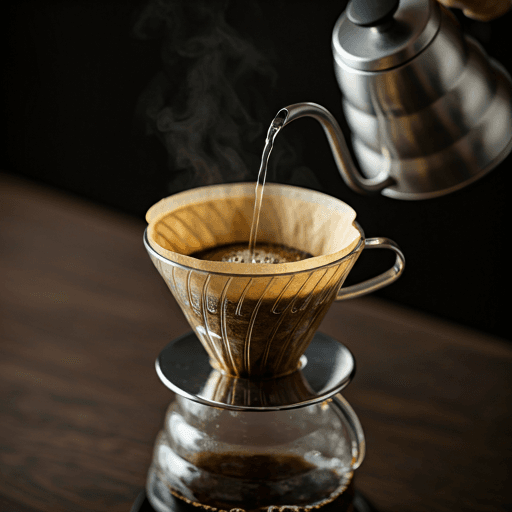
Coffee crema is the golden-brown, hazelnut-colored foam that sits on top of a freshly pulled shot of espresso. It is an emulsion of carbon dioxide gas and coffee oils, whipped up by the roughly 9 bars of pressure that espresso extraction forces through finely ground coffee. A thick, lasting crema is often read as a badge of quality, and it does tell you something useful about freshness and technique. But, as you will see, it is a far less reliable measure of quality or strength than most people assume.
This guide explains what crema actually is, why it forms, what it genuinely signals, where that signal breaks down, and the long-running confusion with a completely separate drink called caffe crema.
What is coffee crema?
Coffee crema is a foam, but a very particular one. Under the high pressure of an espresso machine, hot water is forced through a compacted puck of coffee. That pressure does two things at once: it dissolves carbon dioxide trapped inside the grounds and it emulsifies the coffee's natural oils into the water. When the pressurized liquid leaves the portafilter and hits the open air of the cup, the dissolved gas rushes out of solution as millions of tiny bubbles. Those micro-bubbles are coated and stabilized by the oils and by surface-active compounds in the coffee, so instead of popping immediately they hold together as a dense, creamy layer on top of the shot.
In other words, crema is a microfoam: gas bubbles wrapped in oil and dissolved coffee solids, sitting on the liquid below. Good crema looks fine-pored and reddish-brown to hazelnut, often with a faint mottling sometimes called "tiger striping." If the bubbles are large and the foam is pale and thin, that is closer to ordinary coffee foam than true crema. Crema is unique to espresso and methods that build real pressure; a drip machine, a French press, or a pour-over cannot make it because they never reach the pressure needed to force the gas into solution in the first place. To see where crema fits in the whole picture, read our companion piece on espresso explained, the base of every coffee.
Why crema forms: pressure plus fresh CO2
Two ingredients make crema possible: pressure and gas. The pressure comes from the machine, ideally around 9 bars at the puck. The gas comes from the beans themselves. Roasting coffee creates a large amount of carbon dioxide inside each bean, and that CO2 slowly escapes over the days and weeks after roasting in a process called degassing. Fresh-roasted beans are still loaded with CO2, so there is plenty of gas to dissolve and then release into foam. That is why crema is so closely tied to freshness.
As beans age, they lose that CO2. By roughly four to six weeks past roast, much of the gas is gone, and even a perfectly pulled shot from stale beans will produce thin, short-lived crema. Grind freshness matters too: whole beans hold their gas far longer than pre-ground coffee, which starts shedding CO2 the moment it is ground. If you want to understand the raw material behind all of this, our guide to what coffee beans are covers roast and freshness in more depth.
What a good crema tells you
A thick, even, slow-fading hazelnut crema is a reasonable sign that several things went right at once. It usually suggests:
- Fresh beans. The single strongest signal. Lots of crema means the coffee still holds plenty of CO2.
- A suitable grind. A fine, even grind builds the resistance espresso needs, helping the puck hold pressure and release gas evenly.
- A correct dose and tamp. A full, level, well-tamped puck extracts evenly and supports a steady crema.
- Proper pressure and temperature. A machine pulling near 9 bars with water around 90 to 96 C (195 to 205 F) gives the extraction its best shot at good crema.
So crema is a quick visual gut-check. When you have dialed in a shot you like and the crema suddenly looks thin and pale, that is a genuinely useful warning that something changed, most often that your beans have gone stale or your grind has drifted.
What crema does NOT tell you
Here is where the popular wisdom falls apart. Crema is not a reliable measure of quality, taste, or strength on its own, and treating it as one will mislead you. A shot can have gorgeous, thick crema and still taste bitter, harsh, or flat, while a modest crema can sit over a beautifully balanced shot.
The biggest reason is that some of the things that boost crema have nothing to do with how good the coffee tastes:
- Robusta beans make far more crema than arabica. Robusta is higher in the compounds that build foam, so robusta and robusta-heavy blends produce a thick, persistent crema, even though many drinkers find robusta harsher and more bitter than arabica. A lot of crema can simply mean a lot of robusta.
- Dark, oily roasts can produce a bold-looking crema. The intense roast generates extra CO2, which can give a dramatic initial crema, but it often fades quickly and says nothing about cup quality. Plenty of excellent light-roast espresso makes a thinner crema.
- Crema is fleeting. Even a great crema starts breaking down within a minute or two, and stirring the shot folds it into the liquid. It is a snapshot, not a verdict.
The association between heavy crema and quality largely comes from older espresso marketing, when coffee was roasted very dark and crema became a visual selling point. Aroma, balance, and flavor in the cup are far better guides to quality than the look of the foam. Treat crema as one clue among several, not the scoreboard.
What changes crema: the factors at a glance
Almost every variable in espresso nudges crema in some direction. This table sums up the main ones and how each tends to affect the foam.
| Factor | Effect on crema |
|---|---|
| Bean freshness | Fresh, recently roasted beans hold more CO2 and make more, longer-lasting crema; stale beans (past ~4 to 6 weeks) give thin, fast-fading crema. |
| Roast level | Darker, oilier roasts often produce a bolder initial crema that fades fast; lighter roasts give a thinner crema. Neither means better taste. |
| Bean type (robusta vs arabica) | Robusta produces thick, persistent crema; arabica makes less. More crema can simply mean more robusta in the blend. |
| Grind | A finer, even grind builds resistance and releases gas steadily for richer crema; too coarse runs fast and thin. |
| Dose and tamp | A full, level, well-tamped puck extracts evenly and supports a denser crema; an under-dosed or channeling puck weakens it. |
| Pressure | Around 9 bars at the puck is the sweet spot; too little pressure (or a worn pump or leaky seal) gives weak crema. |
| Water temperature | Roughly 90 to 96 C (195 to 205 F) supports good extraction and crema; water that is too cool under-extracts and dulls it. |
How to get more (and better) crema
If your shots are coming out flat-topped, work through the freshness-first checklist below before blaming the machine:
- Start with fresh beans. Buy whole beans with a roast date and use them within a few weeks of roasting. This fixes most crema problems on its own.
- Grind right before brewing. Pre-ground coffee loses its gas quickly; a fresh, fine grind makes a real difference.
- Dial in the grind. If crema is thin and the shot runs fast, go finer; if it is dark and the shot drips slowly, go coarser.
- Dose and tamp evenly. Fill the basket fully and tamp level so water cannot channel through one weak spot.
- Check pressure and temperature. Aim for about 9 bars and water in the 90 to 96 C band; descale and service the machine if extraction has drifted.
For the full method behind a balanced shot, see our walkthrough on how to make espresso at home.
Caffe crema is a different thing entirely
Confusingly, "crema" also names a drink. Caffe crema is not the foam at all; it is a long, lungo-style espresso drink that became popular from the 1980s in Switzerland and the alpine parts of northern Italy. Rather than pulling a short, concentrated shot, the barista lets far more water flow through the grounds, usually with a coarser grind to keep it from over-extracting, to produce a larger cup of around 180 to 240 ml. It still carries a layer of crema on top, which is where the name comes from, but the word here refers to the whole drink.
Caffe crema sits in the same family as a lungo but is generally longer and milder. It is also distinct from an americano: an americano is a normal espresso shot diluted with hot water added afterwards, whereas a caffe crema actually extracts more water through the coffee, giving it a different flavor profile. If you enjoy a longer black coffee with espresso character, compare it with our guide on what a lungo is. Just remember the two meanings: coffee crema the foam, and caffe crema the drink.
The bottom line
Coffee crema is a small, beautiful piece of physics: fresh-roast carbon dioxide and coffee oils, foamed up by nine bars of pressure and floated on top of your shot. It is a genuinely handy freshness and consistency check, and a sudden change in your crema is worth paying attention to. But it is not a quality grade or a strength rating, and a robusta blend or a dark roast can fake a glorious-looking crema over an ordinary cup. Read it as one clue, trust your nose and your palate for the rest, and do not confuse the foam with the alpine caffe crema drink that shares its name. Next, see how the whole shot comes together in espresso explained, the base of every coffee.