
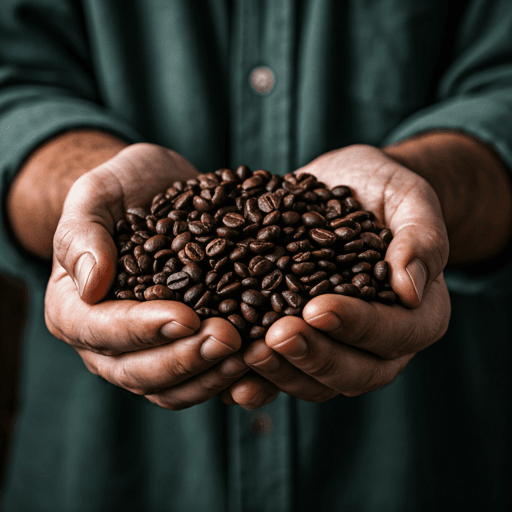
Cafe Bustelo is a Latin-style coffee brand best known for its bold, very dark, finely ground espresso-style coffee sold in distinctive bright yellow packaging. Born in New York City's East Harlem in the 1920s and rooted in Cuban-style espresso culture, it is one of the most recognizable names in Latino coffee. Today it is owned by The J.M. Smucker Company.
If you have ever seen a yellow brick or a yellow can on a grocery shelf and wondered what makes it different from ordinary coffee, this guide explains the brand, its flavor, the formats it comes in, and the traditional ways people brew it.
What Cafe Bustelo is
Cafe Bustelo is a coffee brand built around espresso-style coffee: a dark roast, ground extremely fine, and blended to taste rich and intense. It is not a single drink but a line of products you brew yourself. The hallmark is the grind. It is far finer than typical drip-grind coffee, which is what lets it work beautifully in a stovetop moka pot or an espresso machine.
The brand sits at the heart of Cuban and broader Latin coffee traditions in the United States. For decades it has been the everyday coffee in countless Latino households, the base for the sweet, syrupy little cup known as a cafecito. Its bold, almost smoky character is a deliberate style, not an accident, and it is why the coffee reads as "strong" even before you add sugar.
Why it is called "espresso-style"
"Espresso" describes a brewing method, not a roast, so technically any coffee can be pulled as espresso. What "espresso-style" signals on a Cafe Bustelo pack is that the coffee is roasted dark and ground fine to suit espresso and moka-pot brewing. You can still run it through a drip machine, but the fine grind and dark roast are tuned for the concentrated, intense cup that Latin coffee culture prizes.
The Cafe Bustelo origin story
The brand traces back to Gregorio Bustelo, a Spanish immigrant from the Asturias region who spent time in Cuba, where he fell for the local dark-roast coffee. He moved to the United States around 1917 and eventually settled in New York City, in the growing Spanish-speaking community of East Harlem, where he began making and selling his own dark coffee. He ground it by hand and sold it from his home at first, and by the late 1920s he had established the Cafe Bustelo coffee business, opening his own roasting storefront in the same uptown neighborhood.
The coffee found an early audience among Cuban, Puerto Rican and other Latin immigrants who preferred to brew it in espresso-style coffeemakers rather than filter it. That preference shaped the product: a fine, dark grind made for small, strong cups. Over the following decades the brand changed hands several times. It was later owned by the Miami-based Rowland Coffee Roasters, run by the Cuban-American Souto family, and in 2011 it was acquired by The J.M. Smucker Company, which owns it today. (Cafe Bustelo and Smucker are trademarks of their owner; this guide is an independent explainer and is not affiliated with or endorsed by the brand.)
What Cafe Bustelo tastes like
Cafe Bustelo leans bold, dark, and full-bodied, with a roasty depth that many drinkers describe as smoky or chocolaty. It is not a delicate, fruit-forward single origin. It is a dependable, punchy everyday coffee designed to stand up to milk and, especially, to sugar.
Because it is roasted dark and blended, the goal is consistency and intensity rather than the bright, nuanced notes you would chase in a light-roast specialty coffee. That makes it a different proposition: comfort and strength over subtlety.
The formats Cafe Bustelo comes in
One reason the brand is so widely available is the sheer range of formats. The classic is the yellow vacuum-packed brick of ground coffee, but the line has grown well beyond it.
| Format | What it is | Best for |
|---|---|---|
| Ground (brick or can) | Pre-ground, very fine, dark roast | Moka pot, espresso machine, drip |
| Whole bean | Dark-roast beans you grind yourself | Fresher grind, grind control |
| Instant espresso | Soluble dark coffee in a jar | Fast cup, baking, no equipment |
| K-Cup style pods | Single-serve capsules | Pod machines, one cup at a time |
| Ready-to-drink | Pre-made canned or bottled coffee | On the go, chilled |
The ground and whole-bean products give you the most traditional experience. The instant and pod formats trade a little character for speed and convenience; if you are curious how soluble coffee is made and where it shines, see our explainer on instant coffee.
How people brew Cafe Bustelo
There is no single "correct" way, but the fine, dark grind is happiest in concentrated brewing methods. Here are the common ones.
Moka pot (stovetop)
This is the classic. The moka pot's pressure and the fine grind produce a thick, strong, espresso-like coffee that is the foundation of a cafecito. Fill the basket level (do not tamp hard), brew over medium heat, and pull it off the moment it gurgles. Our full moka pot guide walks through the method step by step.
Espresso machine
The fine grind is built for espresso. Dose, tamp, and pull a short shot for an intense base you can drink straight or build into milk drinks like a latte.
Drip and pour-over
You can absolutely brew it in a regular drip machine. Because the grind is fine, use a slightly smaller dose than you would for coarser coffee to avoid an over-extracted, bitter cup.
The cafecito and the espuma
The signature Cuban ritual is the cafecito (also called a colada when shared, or a cortadito with milk). The trick is the espuma: as the first few drops of fresh, strong coffee come through, you whip them hard with sugar until they turn into a pale, creamy, caramel-colored foam. Pour the rest of the coffee over that foam and it floats on top like a sweet crema. It is fast, intense, and unmistakably Latin.
- Ingredients: finely ground Cafe Bustelo, water, sugar to taste.
- Step 1: Brew a strong, concentrated coffee (moka pot or espresso).
- Step 2: Put a spoon or two of sugar in a cup.
- Step 3: Add the first few drops of hot coffee and beat vigorously until it forms a thick, pale paste.
- Step 4: Pour the rest of the coffee over the foam and serve in small cups.
Its place in Latin coffee culture
Cafe Bustelo is more than a product; for many families it is a household fixture and a taste of home. The yellow pack is an icon of Latino kitchens, bodegas, and cafeterias, and the daily cafecito it powers is a social ritual as much as a caffeine fix. The brand grew out of an immigrant community's coffee customs and carried those customs into the mainstream.
It belongs to a wider family of beloved heritage coffee brands tied to a specific place and people. A close cousin in spirit is Cafe du Monde, the chicory-blended coffee inseparable from New Orleans and its beignets. Different culture, different cup, but the same idea: a coffee that is woven into a community's identity.
Is Cafe Bustelo strong?
Yes, in flavor. The dark roast and fine grind make for an intense, full-bodied cup. As for caffeine, "strength" of taste is not the same as caffeine content, which depends mostly on the dose of coffee and how concentrated you brew it rather than the roast level. A small, very concentrated cafecito packs a punch in a tiny serving. If you want to understand how roast, dose, and serving size actually affect what you drink, see our guide to caffeine in coffee and tea.
The bottom line
Cafe Bustelo is a Latin-style, espresso-style coffee brand with deep roots in New York's East Harlem and Cuban coffee tradition: dark, bold, finely ground, and built for the sweet, foamy little cups that anchor Latino coffee culture. Whether you pull it as espresso, run it through a moka pot, or whip up a cafecito, it delivers a strong, comforting cup. To put it to work, start with our moka pot guide, or keep exploring the world of coffee on our coffee hub.