
A barista is the trained person who prepares and serves espresso-based coffee drinks behind a cafe counter. The job blends craft and hospitality: pulling shots of espresso, steaming milk into silky microfoam, building drinks like lattes and cappuccinos, and doing it all quickly and warmly through a busy rush. A skilled barista is part technician, part host, and part quiet showman pouring patterns into the top of your cup.
The word and the role both come from coffee's modern cafe culture, but there is real depth underneath the apron. This guide explains what a barista actually is, what they do, the skills the work demands, and how someone grows from a nervous first shift to a confident professional. If you want the step-by-step career path instead, see our companion guide on how to become a barista.
What is a barista? The role in plain terms
At its simplest, a barista is the person who makes your coffee in a cafe. But that one sentence hides a lot. A good barista controls every variable between a bag of roasted beans and the drink in your hand: how the coffee is ground, how much goes into the basket, how it is tamped, how hot and fast the water runs through it, and how the milk is textured. Each of those choices changes the taste.
The role sits at the intersection of two jobs. One is technical: a barista runs and maintains an espresso machine and grinder, judges extraction by taste, and keeps results consistent cup after cup. The other is service: a barista greets people, takes orders, remembers regulars, and keeps a calm, friendly counter even when twelve drinks are queued. The best baristas make both halves look effortless.
Barista vs. the rest of the cafe team
In a small cafe one person may do everything. In a larger one, roles split up. A barista works the espresso machine; a server or cashier may handle orders and the till; a kitchen team handles food. The barista is specifically the coffee specialist on the bar. To understand the wider setting the barista works in, our explainer on what a cafe is covers the room, the menu and the culture around the counter.
Where the word "barista" comes from
The word is Italian and literally means "bartender." In Italy, a barista is the person behind the bar of a cafe who serves whatever you order across the day, from a morning espresso to an evening aperitivo. The suffix -ista marks a profession, much like "artist" or "cyclist," and bar simply means the counter.
English-speakers borrowed the term in the early 1990s, as espresso bars and specialty cafes spread well beyond Italy. As they adopted it, the meaning narrowed. In most of the English-speaking world a barista is understood specifically as a skilled maker of espresso-based coffee drinks, rather than a general bartender. So while the original Italian word covers a broad hospitality job, the global coffee meaning is more focused on the coffee craft itself.
What a barista actually does: the core craft
The heart of barista coffee is espresso, the concentrated shot that forms the base of nearly every cafe drink. If you are new to it, our guide to espresso explained covers how the shot works. Here is what a barista manages every day.
Dialing in the espresso
"Dialing in" means adjusting the grinder and the dose so the espresso tastes right. Coffee changes with the weather, the bean's age and the roast, so a barista tastes shots through the day and tweaks the grind finer or coarser. Too fast and the shot is sour and thin; too slow and it turns bitter and harsh. Getting it into the sweet spot, balanced and sweet, is a daily judgment call, not a fixed recipe.
Steaming milk and pouring microfoam
Most cafe drinks are espresso plus textured milk. Using the machine's steam wand, a barista heats milk while folding in tiny bubbles to create microfoam, a glossy, paint-like texture rather than dry, stiff foam. Good microfoam is what makes a latte taste smooth and look beautiful. The same skilled pour produces latte art: hearts, rosettas and tulips formed as the milk meets the crema. Latte art is partly showmanship, but crisp, symmetric patterns also signal that the milk was textured well.
Brewed and filter methods
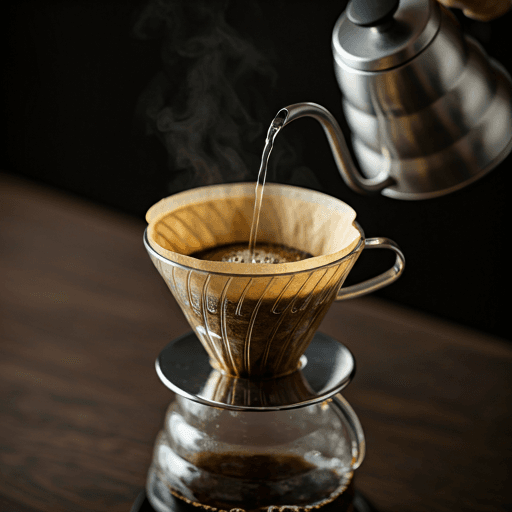
Many baristas also brew coffee without an espresso machine, using pour-over, drip or other filter methods. These bring out the brighter, cleaner side of a coffee and are common in specialty cafes. A well-rounded barista can move between an espresso shot and a careful pour-over depending on what suits the bean and the customer.
Service, speed and consistency
None of the craft matters if the queue stalls. A working barista juggles several drinks at once, keeps the order right, and stays friendly through the morning rush. Consistency is the real test: the tenth cappuccino of the hour should taste like the first. That mix of speed, accuracy and warmth is what separates a hobbyist from a professional behind a bar.
The skills a barista needs
The barista job rewards a specific blend of hands-on craft and people skills. The most important ones include:
- Palate and tasting — recognizing sour, bitter and balanced shots, and adjusting to fix them.
- Machine fluency — running and cleaning the espresso machine and grinder, and spotting when something is off.
- Milk texturing — producing consistent microfoam and pouring clean latte art.
- Speed and multitasking — building several drinks at once without losing accuracy.
- Hospitality — clear, friendly communication and grace under pressure.
- Cleanliness and routine — a tidy bar is a fast, safe bar, and clean equipment makes better coffee.
From beginner to expert: how a barista grows
Almost every barista starts with the basics: learning the menu, the till and the simple drinks, then graduating to the espresso machine. Early on, the goal is consistency, not flair. Pulling balanced shots and steaming smooth milk every time is harder than it looks and takes weeks of repetition.
With experience, a barista develops a finer palate, faster hands and cleaner latte art. Some go further into specialty coffee, learning about origins, roast profiles and brewing science, and a few step onto the competition stage. The pinnacle is the World Barista Championship, where competitors prepare espressos, milk drinks and original signature beverages in a timed routine, judged by sensory and technical judges on taste, technique, creativity and cleanliness. It is the coffee world's equivalent of a craft competition, and it shows just how far the role can stretch.
Is "barista" a real career?
Yes. While many people work as a barista part-time or while studying, it is also a genuine profession. Experienced baristas move into head-barista, trainer, cafe-manager and roaster roles, and in specialty coffee the job carries real prestige. The barista job can be a stepping stone or a long-term craft, depending on the path you choose. The term "barista cafeteria" sometimes appears in job listings simply to mean barista work in a cafe or canteen setting; it is the same core role.
Barista at a glance
| Aspect | What it means |
|---|---|
| Core job | Preparing and serving espresso-based coffee drinks |
| Word origin | Italian for "bartender," borrowed into English in the early 1990s |
| Key technical skill | Dialing in espresso and texturing microfoam milk |
| Key soft skill | Hospitality, speed and staying calm in a rush |
| Signature flourish | Latte art poured into the crema |
| Top of the craft | World Barista Championship and specialty coffee roles |
Why the barista matters
The barista is the human link between a coffee's origin and your morning cup. Roasters and farmers do crucial work, but it is the barista who makes the final, taste-defining decisions and hands you the result with a smile. That is why a great cafe lives or dies on its bar team, and why the role has earned real respect as coffee culture has matured worldwide.
If this sparked your curiosity, keep exploring. Read up on what a cafe is to see the room the barista works in, or browse our wider coffee guides to go deeper into the drinks, beans and brewing behind the counter.