
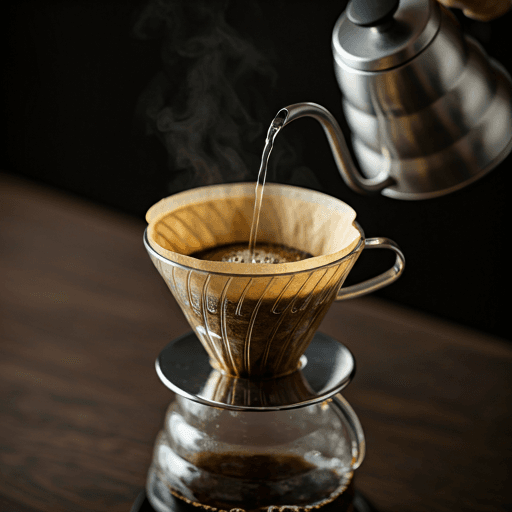
To become a barista, you learn a hands-on craft: dialing in espresso, steaming milk to glossy microfoam, serving people warmly, and keeping all of it moving during a rush. Most baristas start with little or no experience, learn the core skills on the job or through a short course, then improve through years of practice. There is no single license you must hold — what matters is real skill behind the bar, a working palate, and the calm to perform under pressure.
The daily work — what some in the trade jokingly call "baristaing" — covers far more than pressing a button. Below is an honest look at the skills, how people learn them, the career path, and what the job is actually like day to day.
What a barista actually does
A barista builds drinks to order, fast and consistently, while looking after the people in front of them. On a typical shift that means setting up the bar and grinder, calibrating espresso, taking orders, steaming milk, pouring drinks, ringing up sales, restocking, and cleaning constantly. The skilled part is making the tenth flat white of the rush taste exactly like the first.
It helps to separate the role from a bartender, who serves alcohol and cocktails. A barista works with coffee — and often tea — usually starting early and carrying the morning rush. If you are still mapping the wider world this sits in, our overview of what a cafe is and how cafe culture works gives useful context for where baristas operate.
The core skills you need to learn to become a barista
The craft breaks into a handful of skills. None are mysterious, but all of them take repetition to do well at speed.
Dialing in espresso
Espresso is the foundation of nearly every cafe drink, so reliable shots come first. "Dialing in" means adjusting the grind, dose, and tamp so the shot runs in the right time and tastes balanced — not sour and underextracted, not bitter and overextracted. Grind finer to slow a too-fast shot, coarser to speed up a slow, choked one, and re-taste. You will redial as beans age and as the day's humidity shifts. To feel the variables for yourself, the steps in how to make espresso at home are the same ones you will repeat behind a bar.
Steaming milk and latte art
Great milk drinks live or die on texture. The aim is microfoam — milk stretched with tiny, glossy bubbles that pour like wet paint, not stiff dry froth. The standard method: start with cold milk, position the steam wand just under the surface to introduce air ("stretching") in the first few seconds, then submerge the tip to spin a whirlpool that folds the foam in smoothly. Most baristas finish dairy milk somewhere around 55–65 degrees Celsius (roughly 130–150 Fahrenheit) — hot enough to be comforting and sweet, not scalded; plant milks are usually taken a touch cooler as they scorch sooner. Once your texture is right, latte art (a heart, then a tulip and rosetta) follows. Art is the visible proof of good milk, which is why it is worth practicing. The textures underpin classics like a cappuccino and a latte.
A working palate and coffee knowledge
You cannot fix what you cannot taste. Good baristas train their palate to notice sourness, bitterness, sweetness, body, and balance, then connect those to a grinder adjustment. Over time you also build knowledge: how origin, variety, processing, and roast level shape flavor, and how different brew methods change a cup. That knowledge lets you guide a customer to something they will love and lets you keep quality consistent. The wider menu of coffee drinks is worth knowing cold.
Speed, workflow, and consistency
A quiet shift hides whether you are good. The rush reveals it. Strong baristas develop an efficient workflow — grouping tasks, steaming while a shot pulls, keeping the bar clean as they go — so they can produce many drinks quickly without sacrificing quality. Consistency is the real skill: the same recipe, the same texture, the same care, drink after drink.
Customer service and composure
The cafe is a hospitality job first. Reading a customer, staying friendly when you are slammed, defusing a frustrated regular without escalating, and working as a team are as important as your pour. Add the practical layer — point-of-sale systems, cash handling, and basic food-safety hygiene — and you have the full picture of the role.
How people learn to become a barista
There is no universal qualification required to work behind a bar anywhere in the world. People reach the craft a few different ways, and most combine them.
| Path | What it looks like | Best for |
|---|---|---|
| On the job | A cafe hires you with little experience and trains you on their machine and menu, often starting on filter and the till before espresso. | Most beginners; learning paid, in a real environment. |
| Short barista course | A one- or multi-day class teaching grinder setup, espresso, milk steaming, and basic latte art. | A fast head start before applying, or building confidence. |
| SCA Coffee Skills Program | The Specialty Coffee Association's modular Barista Skills track — Foundation, Intermediate, then Professional — an internationally recognized standard. | People aiming at specialty coffee or wanting a portable credential. |
| Home practice | Pulling shots and steaming milk on home gear to drill the fundamentals between or before jobs. | Building muscle memory cheaply on your own time. |
The honest truth: you learn the craft mostly by doing it, thousands of times. Courses accelerate the start and teach good habits, but reps behind a live bar are what make you fast and consistent. Grind quality matters more than almost anything else, so getting comfortable with a good grinder early pays off — our coffee grinder guide explains why.
A simple plan to get started
- Learn the language and the drinks. Know the difference between an espresso, cappuccino, latte, flat white, and Americano before you apply.
- Get reps anywhere you can. Practice at home, or take a short course to learn correct technique rather than bad habits.
- Apply widely and start humble. Many baristas begin on register and filter coffee, earning their way to the espresso bar.
- Taste everything, constantly. Taste your shots, taste your milk, and connect flavors to adjustments. This builds the palate faster than anything.
- Keep training. The best baristas never stop — even head baristas and trainers keep refining. Competitions and SCA modules are options if you want to go deep.
Career progression behind the bar
"Barista" is a starting point, not a ceiling. A common path runs from new barista to experienced barista (often one to two years), then shift supervisor, assistant manager, and store manager, with leadership roles arriving after you have proven both your craft and your reliability. Along the way some people specialize: head barista or trainer, roaster, green-coffee buyer, quality control, cafe owner, or competitor on the barista-competition circuit. Each step adds skills beyond coffee — team leadership, scheduling, ordering, and the business side of running a cafe.
What the job is really like
It is physical and social work. Expect early starts, long hours on your feet, repetitive movements (steaming and grinding can tire wrists and shoulders), and real pressure during peak rushes when you juggle orders, drinks, and payment at once. Pay at entry level is modest and varies widely by country, city, and employer, often supplemented by tips. The trade-offs are genuine: it can be tiring and stressful, and burnout is a known issue in busy cafes, so pacing yourself matters.
The rewards are equally real. You make a craft product with your hands, you get visibly better month by month, and — if you like people — you build warm relationships with regulars and a team. For many, that mix of skill, ritual, and human connection is exactly the appeal.
Keep exploring the craft
Becoming a barista is less about a certificate and more about deliberate practice: dial in your espresso, master your milk, train your palate, and learn to stay calm and kind when the bar is full. Start where you can, taste constantly, and let the reps do their work. To go deeper on the drinks you will be making every day, wander into how a cappuccino is made — or browse the wider coffee hub to keep building the knowledge a great barista carries.