
So what does a barista do? In short, a barista is the person who makes and serves espresso-based coffee drinks — pulling shots, steaming milk, dialing in the grinder and running the bar — blending craft, speed and customer service into every cup. The job ranges from a specialty-cafe pro free-pouring latte art to a busy chain barista keeping a morning queue moving, but the core work is the same: turn beans, milk and water into a consistently good drink, fast, and hand it over with a smile.
What Does a Barista Really Do?
At its simplest, a barista operates the espresso machine and grinder to prepare coffee drinks — espresso, cappuccino, latte, flat white, cold brew and more — then serves them to customers. But the title carries more than button-pushing. A skilled barista tastes and adjusts as they go, treats the grinder like an instrument, keeps the equipment spotless, and reads the room while doing it. If you want the plain definition of the role and where the word comes from, see our explainer on what a barista is; here we focus on the day-to-day duties that fill an actual shift.
The Core Duties Behind the Bar
Strip away a cafe's style and menu, and almost every barista shift comes down to the same handful of tasks. Here is what that work actually involves.
Pulling and tasting espresso
Espresso is the backbone of the bar. The barista grinds fresh coffee, distributes and tamps it level in the portafilter, locks it into the machine and pulls a shot — watching the timing, the volume and the color of the crema. Crucially, they taste. A shot that runs too fast tastes sour and thin; one that chokes and drips runs bitter. Those cues tell the barista whether the coffee is extracting well, and what to change if it isn't.
Dialing in the grinder
Coffee is not a fixed target. As a bag of beans rests and degasses, as humidity shifts through the day, and every time a new batch is opened, the right grind changes. "Dialing in" means adjusting the grinder finer or coarser and re-tasting until the shots land in the sweet spot again. Good baristas do this repeatedly, not just once at open — it is one of the least visible but most important parts of the job.
Steaming milk and pouring latte art
Milk drinks live or die on the steam wand. The barista textures milk into smooth, glossy microfoam — not stiff, bubbly froth — at the right temperature, then pours it to build a cappuccino, latte or flat white. The hearts and rosettas that appear on top are latte art, poured freehand as the milk meets the crema. It is a genuine skill that takes practice; we cover the technique separately in how to make latte art.
Brewing batch and pour-over coffee
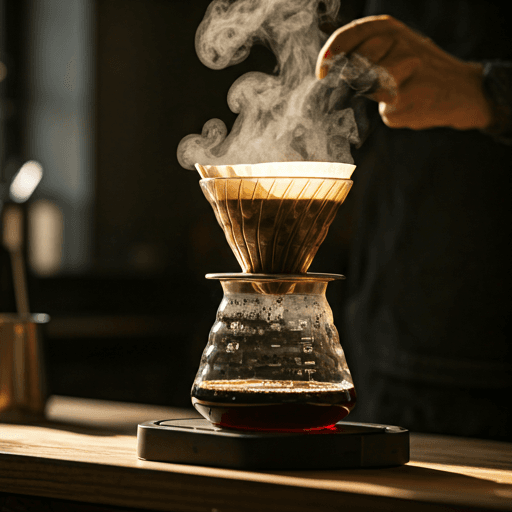
Not everything is espresso. Baristas also brew filter coffee — big batch brewers for volume, and hand methods like pour-over or a single-cup dripper for drinkers who want a lighter, more nuanced cup. That means weighing coffee and water, controlling the pour and the timing, and keeping brewed coffee fresh rather than letting it stew on a hot plate.
Operating, cleaning and maintaining the equipment
An espresso machine is a piece of pressurized, temperature-controlled equipment, and it only performs when it is clean. Baristas wipe steam wands after every use, purge and backflush group heads, empty knock boxes, brush out the grinder, and run deeper cleans on a schedule. A neglected machine makes bad coffee and eventually breaks down; a well-kept one is half the battle already won.
Taking orders, serving and handling payment
The bar is also a counter. Baristas greet customers, take and call orders, answer questions about the menu and the beans, ring up sales and take payment, and hand drinks over. In a rush this becomes a fast juggling act — remembering who ordered what, sequencing drinks efficiently, and staying friendly while several tickets pile up at once.
Stocking and keeping the bar clean
Between and during all of that, a barista restocks cups, lids, milk and beans, wipes down surfaces, washes pitchers and tools, and resets the station so the next drink — and the next barista — can start clean. A tidy, well-stocked bar is what quietly makes speed possible.
Barista Duties at a Glance
| Task | Why it matters |
|---|---|
| Pulling and tasting espresso | Espresso is the base of most drinks; tasting catches a bad shot before it reaches the cup. |
| Dialing in the grinder | Grind drives extraction, and beans and humidity keep shifting, so it needs constant adjustment. |
| Steaming and texturing milk | Silky microfoam makes a latte or cappuccino; harsh, bubbly froth ruins it. |
| Pouring latte art | A visible sign the milk is textured and poured well — and part of a cafe's signature. |
| Cleaning and maintenance | A clean machine tastes better and breaks down less; hygiene is non-negotiable. |
| Orders, service and payment | The cafe runs on throughput and goodwill, and the barista is its face. |
| Stocking the bar | A ready, tidy station is what makes speed and consistency achievable. |
The Skills a Good Barista Needs
The duties above demand a specific mix of skills, and they are as much about temperament as technique.
- A trained palate. Being able to taste sour, bitter and balanced — and to know what to change — is what separates a barista from someone who just presses buttons.
- Consistency. The tenth latte of the hour has to taste like the first. Repeatable technique matters more than the occasional perfect shot.
- Calm speed under a rush. Anyone can make one good coffee slowly. Doing it well while a queue builds is the real test of the job.
- Latte art and craft. Steady hands and a feel for milk turn a plain drink into something people photograph and come back for.
- People skills. Regulars, orders, questions and the occasional complaint all run through the barista. Warmth and composure keep customers returning.
A Barista's Day, Shift by Shift
No two cafes are identical, but a shift tends to follow a rhythm.
- Open and set up. Switch on and warm the machine, fill the grinder, pull and taste a few shots to dial in, brew the first batch, and stock the station before the doors open.
- Prep. Restock milk, cups and syrups, set out pastries, and get the bar into a state where every tool is within easy reach.
- Service. The core of the day — taking orders, pulling shots, steaming milk, serving and cleaning as you go, riding the peaks of the morning and lunch rushes.
- Close. Deep-clean the machine and grinder, backflush and soak parts, wipe everything down, discard old milk and coffee, then count out and restock for the next day.
Barista Levels and Job Titles
"Barista" is one word for what is really a small career ladder. A typical path runs from trainee to barista to head or lead barista, and on to shift supervisor or cafe manager — each step adding responsibility for training, quality control, ordering and running the floor. A barista job at a large chain is often more structured than one at an independent cafe: a Starbucks barista follows standardized recipes and training programs across thousands of stores, and a Tchibo barista at the German coffee company's bars works to that brand's playbook, while a specialty-cafe barista may have more freedom to tweak recipes and brew methods. If you are weighing the role as a career and want to know how to get hired and grow in it, see our guide on how to become a barista.
The Craft Behind the Counter
Put it all together, and the answer to "what does a barista do" is: a great deal, quickly, and mostly out of sight. Behind every good flat white is a person tasting shots, taming a steam wand, keeping a machine spotless and reading a room — the quiet craft that makes a cafe feel like more than a place that sells coffee. It is hospitality and technique in equal measure, and the best baristas make both look effortless.