
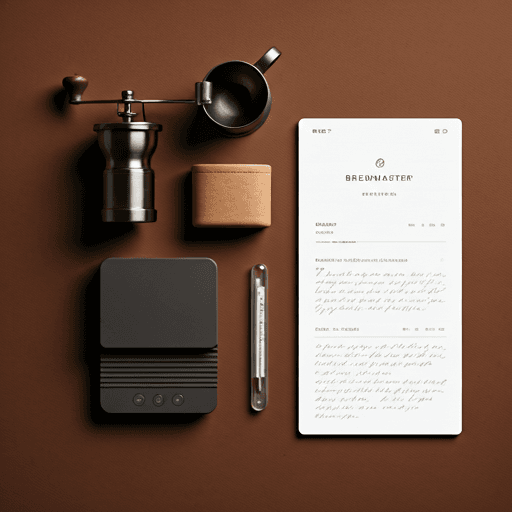
To brew specialty coffee that tastes the way the roaster intended, the most important lever you control at home is the coffee-to-water ratio — the weight of ground coffee measured against the weight of the water. A reliable "golden" starting point sits around 1:15 to 1:18 (roughly 60 grams of coffee per litre of water), and from there you dial the cup in by taste.
Grind size, water temperature, and brew time all matter, but the ratio is the foundation everything else builds on. Weigh it in grams once and you can repeat a great cup tomorrow instead of guessing. This guide breaks the numbers down by brew method and gives you a simple, repeatable dial-in routine that works with any gear. For the broader background on how ratios shape any brew, our coffee brewing ratios explainer covers the fundamentals; here we focus on the specialty dial-in.
Why the brewing ratio matters most
A brewing ratio is simply how much coffee you use for a given amount of water, written as coffee : water by weight. A 1:16 ratio means one gram of coffee for every 16 grams (millilitres) of water. Because water is the bulk of what ends up in your cup, that single number does more to shape the drink than any other choice you make.
The key idea is this: ratio controls strength — how concentrated and heavy the cup feels — while grind size and brew time control extraction, meaning how much flavour you actually pull out of the grounds. Once those two levers are straight in your head, troubleshooting becomes obvious. A wide ratio (more water, say 1:18) gives a lighter, more delicate cup; a tight ratio (less water, say 1:14) gives a bigger, more intense one. Neither is "correct" — it is a dial, and good beans give you room to turn it.
Weigh, don't scoop
Scoops and "one spoon per cup" are unreliable, because beans vary in size and density and grinding changes their volume. Weighing both coffee and water in grams is what makes a recipe repeatable — the same reason a coffee scale sits on the counter of every serious home brewer. If you change only one habit today, make it weighing your dose.
Specialty coffee brewing ratios by method
Different brewers ask for very different ratios, because contact time and pressure change how quickly coffee extracts. Espresso pushes a lot of coffee against very little water under pressure in seconds; cold brew steeps for hours at room temperature and needs far less coffee per litre. Use the table below as your starting points, then dial in from there.
| Brew method | Ratio (coffee : water) | A typical dose | Character |
|---|---|---|---|
| Espresso | ~1:2 | 18 g in, about 36 g out | Intense, syrupy, sipped small |
| Moka pot | ~1:7 to 1:10 | ~20 g per 200 ml | Strong, bold, espresso-adjacent |
| AeroPress | ~1:12 to 1:15 | ~16 g per 200-240 ml | Flexible, clean, forgiving |
| French press | ~1:12 to 1:15 | ~30 g per 400 ml | Full-bodied, heavy mouthfeel |
| Pour-over / drip | ~1:15 to 1:17 | ~22 g per 350 ml | Clean, bright, aromatic |
| Cold brew (concentrate) | ~1:8 | ~125 g per litre | Very strong; dilute to serve |
| Cold brew (ready-to-drink) | ~1:15 | ~65 g per litre | Smooth, low-acid, drink as is |
A quick way to read it: the numbers on the strong end (espresso, moka) make concentrated shots meant to be sipped small or diluted, while the filter range (pour-over, drip) makes a clean, larger cup you drink straight. Cold brew is deliberately brewed strong as a concentrate, then cut with water, milk, or ice before serving. If pour-over is your main method, our pour-over coffee guide walks through the pour technique that pairs with these ratios.
How to dial in your ratio, step by step
Here is the routine to brew specialty coffee consistently. Run it once for each new bag and you will land on a recipe you can trust and repeat.
- Weigh your beans. Start at a middle-of-the-road ratio for your method — 1:16 is a great default for pour-over, so 22 g of coffee to 350 g of water. Grind fresh, right before you brew.
- Weigh or measure your water. Water is close to 1 g per millilitre, so 350 ml is about 350 g. If you can, brew directly on the scale so you can watch the water go in. Filtered water in the 90-96°C range suits most filter coffee.
- Match the grind to the method. Espresso wants a fine grind, pour-over a medium one, French press coarse. The same beans at the same ratio taste completely different across grind sizes, so pick the right ballpark first.
- Brew and time it. Note how long the brew takes — roughly 2:30 to 3:30 for many pour-overs, about 4 minutes for a French press, seconds for espresso. Timing tells you whether to adjust the grind next round.
- Taste, then adjust. Too weak, thin, or sour usually means under-extraction — use a little more coffee or grind finer. Too strong, harsh, or bitter usually points to over-extraction or too tight a ratio — use less coffee or grind coarser.
- Change one variable at a time. Move the ratio, the grind, or the temperature — never all three at once — and keep short notes on the dose, water, grind setting, time, and how it tasted. A few logged brews beat a month of guesswork.
Why specialty beans reward the extra precision
Everyday supermarket coffee is often roasted dark and blended to taste the same cup after cup, which forgives a sloppy ratio. Specialty coffee is the opposite: it is graded for quality, usually traceable to a single origin or farm, and frequently roasted lighter to showcase the delicate fruit, floral, and sweetness notes the green beans carry. Those lighter roasts are denser and harder to extract, so the ratio and grind you choose have an outsized effect on whether the cup sings or falls flat. If you want the full picture of what earns the "specialty" label, see what specialty coffee means.
This is why the precision pays off most in filter and pour-over brewing at a lighter roast. A clean, well-measured 1:16 pour-over lets those origin flavours come forward in a way a careless scoop never will. Start on the wider, brighter side of the range for light roasts and tighten the ratio as roasts get darker and heavier.
None of this needs to feel fussy. Pick your method, borrow a starting ratio from the table, weigh everything, taste, and nudge one number at a time. Within a few brews you will have a recipe dialled to your beans and your palate — and, just as importantly, one you can hit again tomorrow morning. That repeatability, more than any single "perfect" number, is what specialty brewing at home comes down to.