
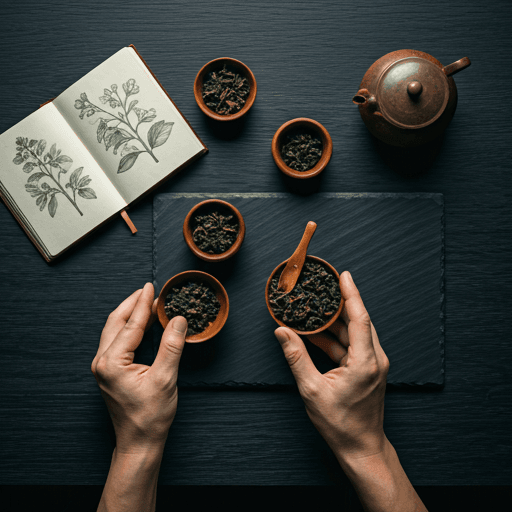
Sparkling tea is simply tea made fizzy, and it turns up in two very different forms. The first is the easy homemade drink: brewed tea poured over ice and topped with chilled sparkling water — a grown-up, low-sugar answer to soda. The second is craft, bottled sparkling tea, where fine teas are lightly carbonated or gently fermented and sold as an elegant non-alcoholic alternative to sparkling wine. This guide explains both forms, then walks you through making a bright, fizzy tea at home.
What Sparkling Tea Is
Under one name, sparkling tea covers two related but distinct drinks. Both start with real brewed tea and add bubbles; where they part ways is how far you take it — a quick top-up of soda water at home, or a pressurized, bottled drink built to stand in for Champagne.
1. The homemade drink: brewed tea plus sparkling water
This is the version most people mean and most people can make tonight. You brew tea — green, black, oolong, white, or a caffeine-free herbal or fruit blend — cool it down, and lengthen it with sparkling water over ice. It is essentially a fizzy iced tea: refreshing, only as sweet as you choose, and endlessly customizable with fruit, herbs and citrus. If you already love a cold glass of iced tea, this is the same idea with a lift of carbonation.
2. Craft bottled sparkling tea: the zero-proof toast
The second form is a small but fast-growing category of premium bottled drinks. Makers such as Saicho and Copenhagen Sparkling Tea brew fine single-origin or blended teas, then lightly carbonate them and seal the result under pressure, much as a sparkling wine is made. Saicho cold-brews single-origin leaves before adding gentle effervescence; Copenhagen Sparkling Tea, created by a sommelier, layers white, green and black teas with botanicals. Poured into a flute, these carbonated tea drinks are dry, aromatic and food-friendly — designed to be paired at the table and raised in a toast with no alcohol at all.
Why People Drink Fizzy Tea
Fizzy tea has quietly become one of the most versatile drinks you can pour, sitting somewhere between a soft drink, an iced tea and a glass of wine. A few reasons it has caught on:
- A lighter, less-sweet fizzy drink. Sparkling iced tea gives you the mouthfeel and refreshment of soda with a fraction of the sugar — you control the sweetness entirely.
- A grown-up soda swap. Real tea brings tannin, aroma and a gentle bitterness that flat sugary drinks lack, so it tastes complex rather than cloying.
- A sophisticated zero-proof toast. Craft bottled sparkling tea gives non-drinkers, designated drivers and anyone taking a night off something genuinely celebratory to hold — dry, layered and served in a proper glass.
- Endlessly adaptable. Any tea plus any fruit, herb or citrus makes a new drink, hot-weather friendly and easy to batch for a crowd.
How to Make Sparkling Tea at Home
The single most important trick is to brew a double-strength concentrate. Sparkling water will roughly double the volume in the glass, so tea brewed at normal strength ends up watery and flat-tasting. Brew it strong, chill it, and top gently with bubbles at the last moment.
Ingredients and gear
- Loose-leaf tea or tea bags — green, black, oolong, white, or a herbal/fruit blend (use about double your usual amount)
- Hot water for brewing (or cold water if you prefer no-heat steeping)
- Chilled sparkling water, soda water or club soda
- Plenty of ice
- Optional: fresh fruit, herbs (mint, basil), citrus wedges, a splash of honey syrup or simple syrup
- A jug or teapot, a fine strainer, and tall glasses
Step by step
- Brew a strong concentrate. Steep double the tea you would normally use in hot water for the usual time (roughly 3–5 minutes for green or white, 4–5 for black). You want a bold, almost too-strong brew.
- Sweeten while warm, if you like. Stir any honey syrup or sugar into the hot concentrate so it dissolves cleanly, then taste — remember the bubbles and ice will soften it.
- Cool it completely. Strain out the leaves or bags and chill the concentrate in the fridge until cold. Warm tea kills the fizz instantly, so do not skip this.
- Fill a glass with ice. Load the glass right up; more ice keeps everything cold and preserves carbonation.
- Add the tea concentrate. Pour the cold concentrate over the ice to fill the glass about halfway.
- Top gently with sparkling water. Tilt the glass and pour the chilled sparkling water slowly down the side to fill it. Pouring last, slowly, protects the bubbles.
- Stir once and garnish. One gentle stir is enough to combine — do not shake. Finish with fruit, a herb sprig or a citrus wedge and serve immediately.
Prefer a smoother, less bitter base with no boiling at all? Steep your leaves in cold water overnight for a mellow cold-brew tea concentrate, then carbonate it exactly the same way.
Flavour Ideas to Try
Because the concentrate does the heavy lifting, swapping the tea or garnish gives you a whole new drink. A few reliable combinations:
- Hibiscus + lime. Tart, ruby-red and the closest thing to a non-alcoholic sparkling rosé; a squeeze of lime sharpens it beautifully.
- Green tea + mint. Clean and cooling, like a fizzy version of a mint-green tea cooler; add cucumber for a spa-like glass.
- Peach black tea. Brew a strong black tea, add sliced peach or a little peach purée — a bubbly nod to the classic peach iced tea.
- Earl Grey + lemon. The bergamot in Earl Grey turns bright and perfumed against soda water and a twist of lemon.
- Oolong + ginger. Roasted oolong with a few slices of fresh ginger makes a warming, grown-up spritz.
Tips for Maximum Fizz
- Chill everything. Cold liquid holds carbon dioxide far better than warm — pre-chill the concentrate, the sparkling water and even the glass.
- Pour the sparkling water last, and slowly. Down the side of a tilted glass, never splashed into the middle.
- Do not shake or over-stir. Agitation drives the gas out; one gentle stir is plenty.
- Keep the sparkling water bottle sealed until the moment you pour. An open bottle goes flat fast.
- Aim for roughly a 1:1 pour of concentrate to sparkling water, then adjust to taste — more bubbles for lighter, more concentrate for bolder.
Sparkling Tea at a Glance
| Form | What it is | Best for |
|---|---|---|
| Homemade sparkling tea | Strong brewed tea concentrate topped with sparkling water over ice | Everyday refreshment and a low-sugar soda swap |
| Craft bottled sparkling tea | Fine teas lightly carbonated and sealed under pressure, like a wine | Celebrations, food pairing and a zero-proof toast |
| Fermented fizzy tea (kombucha) | Sweet tea fermented with a culture until it turns naturally carbonated | Tangy, lightly sour, probiotic-style sipping |
That last row points to sparkling tea's naturally fizzy cousin: if you want bubbles that come from fermentation rather than a soda bottle, brew a batch of kombucha instead — it carbonates itself over days rather than seconds.
A Fizzy Finish
Sparkling tea is proof that a good drink does not need much: strong tea, cold bubbles and a little patience with the pour. Make it as an easy, low-sugar cooler on a hot afternoon, or reach for a craft bottle when you want something elegant to raise without the alcohol. Either way, start from a tea you genuinely like — if you are still deciding, the wider world of tea types is a good place to find your base — brew it bold, and let the bubbles do the rest.