
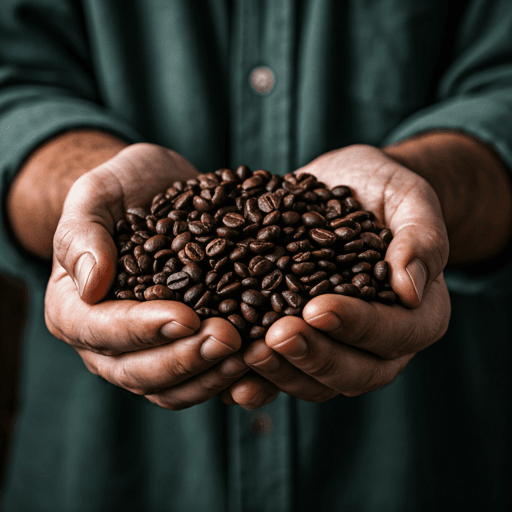
Single origin coffee is coffee sourced from one place — a single country, a region within that country, an individual farm or estate, or even one specific lot — rather than blended together from beans grown across many different origins. The appeal is traceability and a distinctive "taste of place," or terroir: because the beans all come from one origin, the cup reflects the soil, altitude, climate, variety and processing of where it was actually grown. In short, single origin trades the steady, year-round consistency of a blend for character and a clear sense of provenance.
What "single origin coffee" actually means
The phrase sounds precise, but single origin coffee is really a spectrum rather than a single fixed definition. "Origin" can be drawn narrowly or broadly, so a bag labeled single origin might tell you a lot about where the beans came from — or relatively little. At its loosest, it means the coffee comes from one country. At its most specific, it can point to a single small plot picked during one harvest.
What ties every version together is the idea of a single source: the coffee is not a mix of beans from unrelated places assembled to hit a target profile. Instead, one origin is left to speak for itself. That is why single origin beans are prized by people who want to taste the difference between growing regions, and why the term shows up so often on specialty bags. The trade-off is that the more you narrow the origin, the more the coffee's character — and its availability — depends on that one place and that one season.
The single origin spectrum: from country to microlot
It helps to picture single origin as a ladder of increasing specificity. Each rung narrows the source and, usually, tells you more about the cup in your hands.
| Level | How specific | What it tells you |
|---|---|---|
| Single country | Broadest | All beans grown in one country (for example, one bag of "Brazil" or "Colombia"). Sets a general flavor direction, but can still mix many farms and regions. |
| Single region | Narrower | One growing region or valley within a country. Points to a shared altitude, climate and often a recognizable regional flavor signature. |
| Single farm / estate | Narrow | One farm, estate or cooperative. Names the grower, ties the coffee to specific practices, and improves traceability. |
| Single lot / microlot | Most specific | One separated batch — sometimes a single plot, variety or day's pick. The most traceable and distinctive, usually in small, seasonal quantities. |
None of these rungs is "more correct" than another; they simply describe how tightly the origin has been drawn. A single-country coffee single origin is still single origin — it just leaves more room for variation than a named microlot does.
Single origin vs a blend
The clearest way to understand single origin is to hold it against its opposite: the blend. A blend intentionally combines beans from two or more origins to build a balanced, repeatable flavor. Roasters use blends to smooth out the seasonal ups and downs of any one crop, to hit a house style customers can rely on cup after cup, and to build body and sweetness for espresso. Consistency is the whole point.
Single origin coffee does the reverse. Instead of averaging origins together, it spotlights the unmistakable character of one place — and accepts that this character can shift from harvest to harvest as weather, ripeness and processing change. That variability is a feature, not a flaw: it is the coffee equivalent of a vintage. If you want the same familiar mug every morning, a blend is often the easier choice. If you want to taste how a Colombian coffee differs from an Ethiopian one, or how this year's crop compares to last year's, single origin is where that shows up.
Bean species and variety sit underneath both categories. Whether a coffee is Arabica or Robusta shapes its baseline flavor and body regardless of whether it is sold as single origin or a blend — a distinction worth understanding in its own right, which we cover in our guide to Arabica vs Robusta coffee beans.
Why single origin matters
Traceability and transparency
The strongest case for single source coffee beans is that you know where they came from. A named region, farm or lot means the supply chain can be traced back toward the grower, which supports transparency around how the coffee was produced and, ideally, a closer and fairer link to the people who grew it. Broad commodity blends rarely offer that visibility; a well-labeled single origin often does.
Seasonality
Coffee is an agricultural product with a harvest calendar, and single origins wear that seasonality openly. A fresh-crop lot from a given region tastes at its best for a window of months, then rotates out as the next origin comes into season. Following single origins is a way to drink coffee closer to its peak and to notice how the same farm can vary from one year to the next.
Distinctive regional flavor
Because nothing is blended away, the origin's own signature comes through. Growing conditions push flavor in recognizable directions: some origins lean bright, floral and fruity — think delicate, tea-like or berry notes — while others lean chocolatey, nutty and heavy-bodied. For a sense of how far apart two origins can sit, compare the classic profiles in our guides to Colombian coffee and Ethiopian coffee. Naming those origins here is purely a flavor example — the point is that with single origin, the place is the point.
How single origin relates to specialty coffee
Single origin and specialty coffee overlap heavily but are not the same thing. "Specialty" refers to quality and how a coffee scores and is handled; single origin refers to sourcing from one place. In practice they travel together, because the traceability and careful separation that single origin requires are exactly the habits of the specialty world. If you want the full picture of what puts a coffee in that tier, see what specialty coffee means.
This is also where you meet the word microlot. A microlot is single origin taken to its most granular: a small, deliberately separated batch — perhaps one variety, one plot, or one day's carefully sorted harvest — kept apart precisely because it is distinctive enough to stand on its own. Microlots are the sharp end of the coffee single origin spectrum, usually available in limited, seasonal quantities.
How to buy and brew single origin coffee
What to look for on the bag
Good single origin labeling is generous with detail. The more of the following a bag names, the more you can trust — and taste — the origin story:
- Origin detail: not just a country, but ideally a region, farm or estate, and sometimes a lot name. More specificity generally means more traceability.
- Harvest or crop year: a sign the roaster cares about seasonality and freshness rather than treating the coffee as anonymous stock.
- Variety and process: the coffee's variety and whether it was washed, natural or honey-processed — both shape flavor as much as geography does.
- Roast level: single origin beans usually show their character best at lighter-to-medium roasts, where the origin's own notes survive rather than being covered by roast.
How to brew it
Single origin coffee tends to shine in brew methods that highlight clarity and aroma rather than mask them. Filter and pour-over styles — a V60, Chemex, Kalita or a good drip machine — let the bright, distinctive notes of an origin come through cleanly, which is why lighter single origins are so often brewed this way. That doesn't mean single origin can't be espresso; plenty of roasters offer single origin espresso for drinkers who want an unblended shot. As a starting point, grind fresh, use a clean brewer, and dial in with good water. Because origin character can be subtle, a careful pour-over is often the most rewarding way to meet a new single origin for the first time.
The bottom line
Single origin coffee is less a strict rulebook than a promise: this coffee comes from one identifiable place, and it is going to taste like that place. Whether the label points to a whole country or a single hillside lot, you are choosing traceability and terroir over the smoothed-out reliability of a blend — and gaining a running education in how geography, season and processing show up in the cup. If you enjoy noticing those differences, exploring single origins one region at a time is one of the most rewarding ways to get to know coffee.