
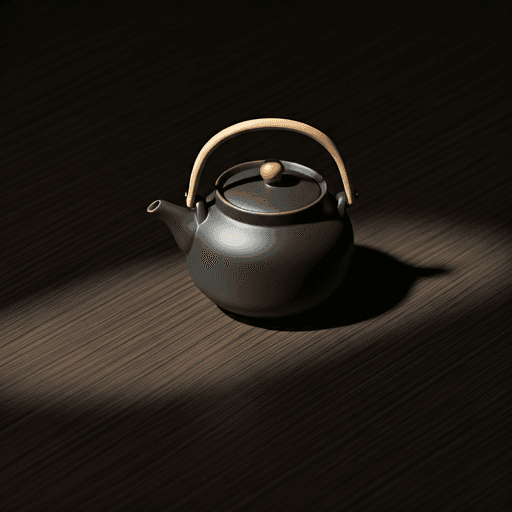
Russian tea means two very different drinks, and which one you want changes the whole recipe. In its homeland, Russian tea is a ritual rather than a single beverage: a strong tea concentrate called zavarka is brewed in a small pot, then each cup is diluted to taste with hot water kept ready in a samovar urn and served black with lemon, sugar, or a spoonful of jam. Across North America, "Russian tea" more often means a sweet, spiced hot punch of black tea, orange, cinnamon, and cloves poured out at the holidays. Below you will find how to make both, step by step.
What "Russian tea" actually means
The confusion is worth clearing up before you reach for the kettle, because the two versions share almost nothing but a name. The traditional Russian style is a method of serving ordinary black tea in a way that keeps a pot going all day. The American "Russian tea" is a specific recipe — a spiced orange drink that became a holiday and church-social staple in the mid-twentieth century, with no direct link to how tea is actually taken in Russia. Both are easy to make at home once you know which one you are after.
| Version | What it is | Best for |
|---|---|---|
| Traditional (zavarka + samovar) | Strong black-tea concentrate diluted cup by cup with hot water, served with lemon and jam | All-day sipping, guests, an unhurried social ritual |
| Spiced "Russian tea" punch | Black tea simmered with orange, cinnamon, and cloves, sweetened to taste | Cold-weather gatherings, holidays, batching a warm crowd-pleaser |
The traditional Russian tea ritual: zavarka and the samovar
At the heart of the tradition are two words. Zavarka is a very strong brewed concentrate — think of it as tea espresso — kept in a small teapot. The samovar is a metal urn that holds and gently keeps hot water; classically the little teapot of zavarka sits on top, warmed by the urn. To serve, you pour a small measure of the dark concentrate into each glass or cup, then top it up with hot water to the strength each drinker likes. Weak-tea drinkers get a splash; strong-tea drinkers get more. Because the concentrate holds and the water stays hot, one brew serves a table of guests over hours — which is exactly why samovar tea became such a social fixture.
You do not need an antique samovar to make it. Any kettle or hot-water dispenser that keeps water hot will do; the small teapot for the zavarka is the only piece that really matters.
What you need
- Loose-leaf black tea (a robust blend, Russian Caravan, or an English/Irish breakfast style works well) — about 3 to 4 teaspoons for a small teapot
- A small teapot for the concentrate
- A kettle, hot-water urn, or samovar to keep water hot
- Glasses or cups (traditionally glass in a metal holder, a podstakannik)
- To serve: lemon slices, sugar or sugar cubes, and a jar of fruit jam (varenye) or honey
Steps
- Warm the small teapot with a little hot water, then tip it out.
- Add the black tea leaves and pour in just enough freshly boiled water to make a strong, dark concentrate — roughly one part leaves to a modest amount of water. This is your zavarka.
- Cover and let it steep 5 to 8 minutes until it looks deep and almost syrupy. Keep the pot warm on the urn or on a low warmer.
- To serve, pour a small amount of the concentrate into each cup — about a quarter to a third of the cup.
- Top up with hot water from the kettle or samovar until the color and strength suit the drinker.
- Serve black. Offer lemon, sugar, and jam on the side so everyone sweetens and flavors their own cup.
- Refill the urn with hot water as needed and keep the zavarka topped up over the afternoon.
A note on "tea with jam": rather than stirring jam into the cup, many drinkers take a spoonful of varenye alongside the tea — a little sweet bite between sips. Try it before you decide it belongs in the glass. For the fundamentals of getting a clean, strong brew from any leaf, our guide on how to make tea covers water temperature and steeping times, and what is black tea explains why a bold black leaf stands up so well to dilution and lemon.
How to make spiced "Russian tea" (the orange-and-clove punch)
The American spiced version is the one people usually mean when they ask for a "Russian tea recipe." It is a hot, sweet, aromatic punch — closer to mulled cider than to a plain cup of tea — built on black tea with orange, cinnamon, and cloves. It scales up beautifully, which is why it turns up at holiday parties and cold-weather gatherings.
What you need
- 4 cups water
- 4 black tea bags (or about 4 teaspoons loose black tea)
- 2 cups orange juice (fresh or from concentrate); some cooks add a splash of pineapple juice
- Juice of 1 lemon
- 2 cinnamon sticks (or 1 teaspoon ground cinnamon)
- 6 to 8 whole cloves
- Sugar or honey to taste (start with about a third of a cup and adjust)
Steps
- Bring the water to a boil, then add the tea, cinnamon sticks, and cloves. Turn off the heat.
- Cover and steep 5 to 7 minutes so the tea and spices infuse. Steep longer for a stronger, spicier base, but pull the tea bags before it turns bitter.
- Strain out the tea, cinnamon, and cloves.
- Stir in the orange juice, lemon juice, and sugar or honey. Return to a low heat if it has cooled — warm it through but do not boil, which dulls the citrus.
- Taste and adjust: more sugar for sweetness, more lemon for brightness, more spice by steeping a clove or two longer next time.
- Serve hot in mugs. Garnish with an orange slice or a cinnamon stick if you like.
A quick powdered version exists too, and it is genuinely popular: many people make "spiced Russian tea" mix from instant unsweetened tea plus a powdered orange breakfast drink, sugar, ground cinnamon, and ground cloves, stored dry in a jar. To serve, you stir a couple of spoonfuls into a mug of hot water. It is not the same as the fresh-brewed punch, but it keeps for weeks and makes a single cup on demand.
Quick tips for better Russian tea
- Brew for strength, dilute for taste. The traditional method works because the zavarka is deliberately over-strong; the hot water does the balancing. Do not be shy with the leaf.
- Batch the punch ahead. The spiced version holds well in a slow cooker or on low heat for a party — steep and strain the tea first, then keep the finished punch warm without boiling so the citrus stays fresh.
- Sweeten at the table. Lemon, sugar, jam, and honey are all served on the side in the traditional style so each cup is personal — a small touch that makes tea feel like hospitality.
- Mind the caffeine. Both drinks are built on black tea and do contain caffeine; swap in a decaf or a caffeine-free rooibos base for an evening pot.
- Use whole spices where you can. Cinnamon sticks and whole cloves give a cleaner, brighter punch than ground spice, and they strain out easily.
Whichever "Russian tea" you brew, the appeal is the same: a warm pot meant to be shared and lingered over. The traditional zavarka-and-samovar serve turns a single strong brew into an afternoon of unhurried refills, while the spiced orange punch turns black tea into a fragrant, festive drink for a crowd. If you enjoy building a whole spread around it, our notes on how to host a tea party will help, and if you are curious where these fit among the world's brews, types of tea explained is a good place to wander next.