
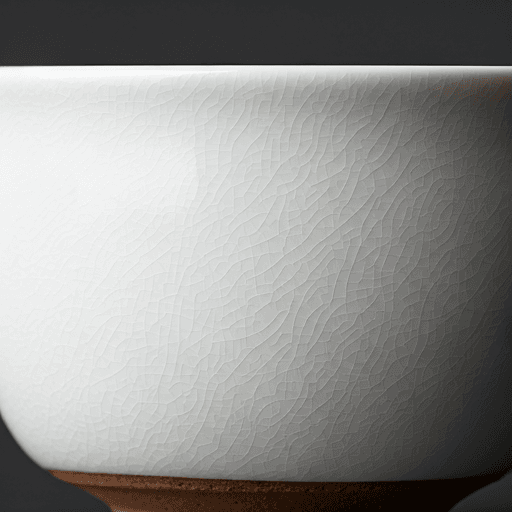
Hosting a tea party is easier than it looks. You need a pot or two of good tea, a simple three-part menu of finger sandwiches, scones and something sweet, and a few nice touches for the table. That is the whole formula, and it scales from an elegant afternoon tea party to a casual afternoon gathering or a children's version with juice standing in for tea.
This is a practical how-to on hosting: how to plan the menu, set the table, brew for a crowd and handle the light etiquette without fuss. If you want the history and the recipes themselves, lean on the sibling guides linked below. Here we focus on running the party.
How to host a tea party, step by step
The plan for how to host a tea party comes down to five decisions, made in order. Settle these and the day runs itself:
- Style and time — a classic afternoon tea, a casual catch-up, or a kids' party.
- Guest count and quantities — how many people, and therefore how much tea and food to make.
- The menu — the traditional three parts: savory, scones, sweets.
- The tea — usually one classic black tea and one caffeine-free option, brewed in pots.
- The table — pot, cups, a tiered stand and a few styling touches.
Pick your style and time
Afternoon tea is a British tradition served in the early to mid afternoon, roughly between lunch and dinner, so 2 to 4 in the afternoon is the classic window. That timing is the reason the food is light and the portions are small: it is a graceful pause, not a full meal.
You do not have to be formal. A relaxed tea can be a few friends around the kitchen table with a single good pot and a plate of biscuits. A children's tea party swaps the black tea for warm milk, weak fruit tea or juice served in the same little cups, which is most of the fun for younger guests. If you want the distinction between the dainty afternoon spread and the heartier, later, more meal-like sitting, our guide to afternoon tea vs high tea lays it out; despite the fancy name, "high tea" was historically the working evening meal.
For quantities, plan on roughly four small sandwiches, one or two scones and two or three sweet bites per guest, plus about two to three cups of tea each. Scale the pots to match: a standard teapot holds enough for three or four cups, so brew a fresh pot for every few people rather than one giant urn.
Build the tea party menu
The classic tea party menu is arranged in three tiers on a stand, and guests eat from the bottom up so flavors build from savory to sweet.
Savory: finger sandwiches
Finger sandwiches are small, crustless and cut into neat rectangles, triangles or fingers. The traditional fillings are cucumber with a little butter, egg mayonnaise (egg and cress), smoked salmon, and a chicken or coronation-style filling. Offer two or three kinds so there is variety, keep them thin, and cut them just before serving so they stay fresh.
Scones with cream and jam
Scones are the heart of the spread, served warm with clotted cream and jam. Break them open by hand rather than cutting them with a knife. Whether cream or jam goes on first is a cheerful regional debate — the Devon method is cream first, the Cornish method is jam first — and neither is wrong, so let guests choose. For the scones, cream and jam themselves, our how to make afternoon tea at home guide has the recipes.
Sweets
The top tier is the treat course: small cakes, tarts, macarons, madeleines, shortbread or petits fours. Keep everything bite-sized and pretty. A shop-bought sweet or two is completely fine; homemade and store-bought side by side is normal, not a shortcut anyone will judge.
Choose your teas
Offer at least two teas: one classic caffeinated black tea and one caffeine-free option so every guest is covered. A robust black blend such as English Breakfast is the safe crowd-pleaser, with a fragrant Earl Grey as a second choice; for the herbal side, a chamomile, peppermint or fruit infusion serves anyone avoiding caffeine and the younger crowd. Brew each in its own pot, and set out milk, lemon slices, sugar and honey so people can fix their cup to taste (milk suits black tea; lemon suits lighter and herbal teas — not both in the same cup, as lemon curdles milk). Use water off the boil, around 200 to 212 F (93 to 100 C), for black and herbal teas, and slightly cooler water, around 170 to 185 F (75 to 85 C), for green and white teas so they do not turn bitter. Brew each pot a touch stronger than a single cup, since guests will be adding milk or lemon, and let black tea steep about 3 to 5 minutes and green tea only 1 to 3.
Set the table
Half the charm of a tea party is the table. The working kit is short: a teapot (or two), cups and saucers, a tiered cake stand, small plates, cloth or paper napkins, teaspoons, a tea strainer if you brew loose leaf, a small milk jug and a sugar bowl with tongs or a spoon. A kettle nearby lets you top up pots without leaving the table.
Styling is optional and easy: a pressed tablecloth or a runner, a few fresh flowers in a low vase, and mismatched vintage cups if you like a relaxed look. Nothing needs to match perfectly. If you are building a set from scratch or deciding what is worth owning, our guide to choosing a tea set covers pots, cups and the pieces that actually earn their place.
Tea party etiquette, myths and all
Etiquette at a tea party is meant to make guests comfortable, not anxious, so keep it light. The host pours, or invites a guest to pour, adding tea first and then offering milk, lemon and sugar so each person chooses. Stir gently back and forth rather than round and round, and rest the spoon on the saucer without clinking the sides — quiet is the only real rule at the cup.
Two famous "rules" are worth relaxing. Sticking your little finger out is not correct etiquette at all; the raised pinky is a myth, and you simply hold the handle with the pinky down. And the scone-first-with-cream-or-jam question, as above, is a fun tradition rather than a test. Most of the food is eaten with fingers, so guests can relax and enjoy it.
Tea party ideas and themes
A theme gives the day a shape, and there are easy tea party ideas for any group. A garden tea takes the same menu outside on a sunny afternoon, with a cloth over an outdoor table and flowers already in place. A slightly heartier sitting leans into savory tarts, cheese and a warm dish for guests who want a proper meal — strictly speaking that heartier, later spread is a high tea rather than a true afternoon tea. A children's tea party keeps the little cups and the tiered stand but swaps the tea for juice or warm milk, adds dress-up and simple bakes, and lets the kids pour for their toys. Seasonal angles work too: a berry-and-cream summer table, or a spiced, cozy version in the colder months.
A simple prep timeline
Spread the work so the day itself is calm:
- A few days ahead: confirm guests, plan the menu, and check you have enough cups, plates and teaspoons.
- The day before: shop, bake or buy the sweets, make jams if you are doing them, and set the table.
- Morning of: prep sandwich fillings, keep them covered and chilled, and lay out serveware.
- An hour before: assemble and cut the sandwiches, warm the scones, and boil the kettle.
- As guests arrive: brew the first pots, plate the tiers from savory at the bottom to sweet on top, and pour.
Tea party at a glance
| Element | What to serve or set | Tip |
|---|---|---|
| Savory tier | 2 to 3 kinds of crustless finger sandwiches (cucumber, egg, smoked salmon) | Cut just before serving; keep them thin |
| Scone tier | Warm scones with clotted cream and jam | Break by hand; let guests pick cream-first or jam-first |
| Sweet tier | Small cakes, tarts, macarons, shortbread | Bite-sized; store-bought is fine alongside homemade |
| Tea | One classic black (English Breakfast or Earl Grey) plus a caffeine-free option | Brew in pots; offer milk, lemon, sugar and honey |
| Table | Teapot, cups and saucers, tiered stand, plates, napkins, strainer, milk jug | Nothing has to match; add flowers and a cloth |
| Quantities | About 4 sandwiches, 1 to 2 scones, 2 to 3 sweets and 2 to 3 cups per guest | Fresh pot every few people, not one big urn |
That is the whole of it: a couple of good pots, three simple tiers, a nicely set table and a warm, unhurried welcome. The etiquette is there to help, not to police, so hold it lightly and let the afternoon stretch. When you are ready to go deeper on the recipes and the history behind the ritual, carry on with what afternoon tea is and put the kettle on.