
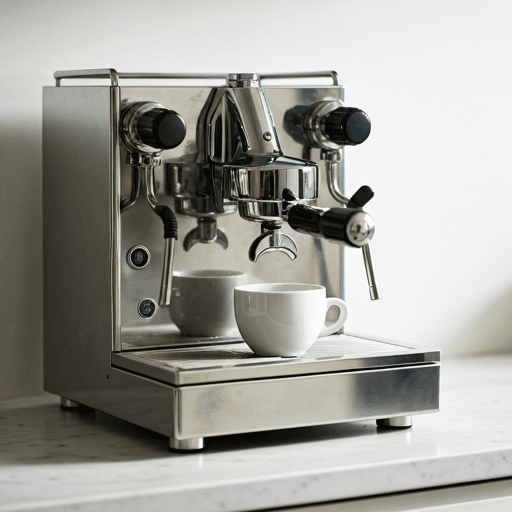
A plastic-free coffee maker is a brewer with little or no plastic touching the hot water or the coffee — think glass, stainless steel, ceramic and metal in place of tanks, tubes and baskets. People choose one to sidestep microplastics, BPA and the faint hot-plastic taste that can creep into a cup on a warm day. The honest catch is that a truly zero-plastic brewer is rare, so "plastic-free" is best read as a spectrum rather than a hard line — and this guide maps where the popular brewers actually land on it.
What Counts as a Plastic-Free Coffee Maker
The label gets thrown around loosely, so it pays to be precise about what you are avoiding. The part that matters most for both taste and any microplastic concern is the brew path: every surface the hot water and coffee touch on the way to your cup. A brewer can have a plastic lid knob, handle or base and still keep that brew path entirely glass and steel — and for most people that is the practical goal.
By that measure, a genuine no plastic coffee maker is one where the water heats, saturates the grounds and drains through glass, metal or ceramic only. Most manual brewers get very close. Most electric machines do not, because they hide a plastic reservoir and internal tubing that the hot water runs through before it ever reaches the grounds. Keeping those two ideas separate — brew path versus housing — is the single most useful habit when you shop.
The Main Plastic-Free (and Low-Plastic) Brewers
Almost every classic manual method predates cheap plastic, which is why they remain the easiest way to brew with glass, steel and ceramic. Here is what each is typically made of, and where the plastic, if any, tends to sit.
French press (glass beaker and steel)
The standard French press pairs a borosilicate glass beaker with a stainless steel plunger and mesh filter, so the coffee only ever meets glass and metal. It is an immersion brewer — grounds steep in hot water, then a fine metal screen separates them, with no paper filter needed. The things to watch are the lid and collar: budget models often use a plastic frame and lid, while all-glass-and-steel or fully stainless double-wall versions keep plastic off the brew path entirely. For grind, ratio and technique, see our French press guide.
Stovetop moka pot (aluminium or steel)
A moka pot is about as metal as brewing gets. Water sits in the base, coffee in the metal funnel, and pressure from the stove pushes brewed coffee up into the top chamber — all through aluminium (the traditional choice) or stainless steel. The handle and lid knob are usually plastic or bakelite, but they sit well away from the water and coffee. It makes a strong, espresso-adjacent cup without a single electrical part. Our moka pot guide covers heat, ratios and timing.
Pour-over with a glass, ceramic or steel dripper
Pour-over is the most flexible plastic-free route because the dripper comes in so many materials. A Hario V60 is sold in glass and ceramic (as well as plastic — so choose the material you want), a Kalita Wave comes in stainless steel, and a Melitta or Origami cone comes in ceramic. The Chemex is a single piece of glass that doubles as the server, which makes it a favorite for anyone chasing a clean, all-glass setup; see our Chemex guide. Pair any of these with an unbleached paper filter or a reusable metal mesh, and the whole brew path stays plastic-free. For choosing the dripper, kettle, grinder and scale together, our pour-over coffee equipment guide walks through the full kit.
Stainless steel percolator
A stovetop percolator is all metal — a stainless body, a metal basket and a metal stem that cycles boiling water up and over the grounds. There is no paper and usually no plastic in the brew path at all, which makes percolators durable, camp- and stove-friendly, and easy to hand down for years. The trade-off is a bolder, sometimes over-extracted cup if you let it run too long.
Stovetop and manual espresso makers
If you want pressure without a plastic-heavy machine, manual lever and stovetop espresso makers use metal bodies and portafilters, glass or steel cups, and your own hand for pressure rather than an electric pump and its tubing. They ask for a little more skill, but the brew path is essentially metal throughout.
Where Plastic Hides: The Honest Nuance
Calling something a plastic free coffee maker only holds up if you know where plastic usually turns up. A few honest caveats:
- Electric drip machines. Most have a plastic water reservoir, plastic internal tubing and a plastic brew basket, so even a model with a glass carafe runs hot water through plastic before it reaches the grounds. A glass carafe alone does not make a machine plastic-free.
- Pod and capsule machines. These lean heavily on plastic internals, and many pods are plastic too, so they sit at the opposite end of the spectrum.
- The AeroPress. It is a genuinely excellent brewer, but it is made of plastic — a BPA-free copolyester. That makes it a bpa free coffee maker rather than a plastic-free one, which is an important distinction if avoiding plastic on the brew path is your goal.
- Kettles and small parts. Variable-temperature kettles often have plastic water windows or bases; all-steel gooseneck kettles exist if you want to keep that piece metal too. Silicone and rubber seals in press lids and moka gaskets are not rigid plastic, but they are worth noticing.
Plastic-Free Coffee Maker Comparison
A quick side-by-side of the main options, with a qualitative sense of cost rather than any price.
| Brewer | Brew-path material | Filter | Best for | Cost feel |
|---|---|---|---|---|
| French press | Glass + stainless steel | Built-in metal mesh | Full-bodied, no-paper immersion | Low to moderate |
| Moka pot | Aluminium or stainless steel | Metal (built in) | Strong, stovetop, espresso-style | Low |
| Pour-over dripper | Glass, ceramic or steel | Unbleached paper or metal | Clean, bright, controllable cups | Low to moderate |
| Chemex | One-piece glass | Thick paper | All-glass, clean and elegant | Moderate |
| Stainless percolator | Stainless steel | Metal basket | Rugged, camping, bigger batches | Low to moderate |
| Manual/stovetop espresso | Metal + glass | Metal portafilter | Espresso without an electric machine | Moderate to high |
What to Look For in a Plastic-Free Coffee Maker
Once you have a shortlist, these are the details that separate a truly low-plastic brewer from one that just looks the part.
Trace the brew path first
Ask a single question: from the moment water is hot, what does it touch before it reaches your cup? If the answer is only glass, steel or ceramic, you have a plastic-free brew path even when the handle or base is plastic. This one check cuts through most of the marketing.
Glass vs steel vs ceramic
Each material trades off differently. Glass is taste-neutral and lets you watch the brew, but it is fragile and holds heat poorly, so a glass carafe cools faster. Stainless steel is nearly unbreakable and, in double-wall form, keeps coffee hot far longer, though you cannot see inside and thin steel can dent. Ceramic is stable, taste-neutral and retains heat well, which is why a preheated ceramic dripper brews evenly — but it chips and is the heaviest of the three. Crucially, none of them impart flavor, which is the whole point.
Filter type
Your filter is part of the plastic question too. Unbleached paper filters add nothing plastic and produce a clean, low-sediment cup, but they are single-use. A reusable metal mesh keeps things waste-free and lets more body and oils through, at the cost of a little sediment. Both are compatible with a plastic-free goal; that choice is about taste and waste, not plastic.
Durability and cleaning
A non plastic coffee maker often wins on longevity — steel and ceramic outlast plastic parts that warp, cloud or crack under heat over the years. Look for replaceable glass beakers and seals, dishwasher-safe metal parts, and simple designs with few crevices. Fewer moving plastic pieces usually means less to fail and less to scrub.
A Light Note on Materials and Health
The appeal of these brewers is straightforward: keeping hot water and coffee off plastic avoids any chance of a warm-plastic taste and reduces contact with materials some people would simply rather skip. Modern food-grade plastics, such as the BPA-free copolyester in an AeroPress, are designed to be safe for hot use, so this is more a matter of preference and flavor than alarm. If that preference matters to you, choosing glass, steel or ceramic is an easy, low-effort way to act on it without giving up a great cup.
In the end, the most plastic-free path is also one of the oldest: a glass press, a metal moka pot, a ceramic cone or an all-glass Chemex will brew beautifully for years with almost no plastic in sight. Pick the brewing style you enjoy first, then choose the glass, steel or ceramic version of it — and you will have a plastic-free coffee maker that suits both your taste and your kitchen.