
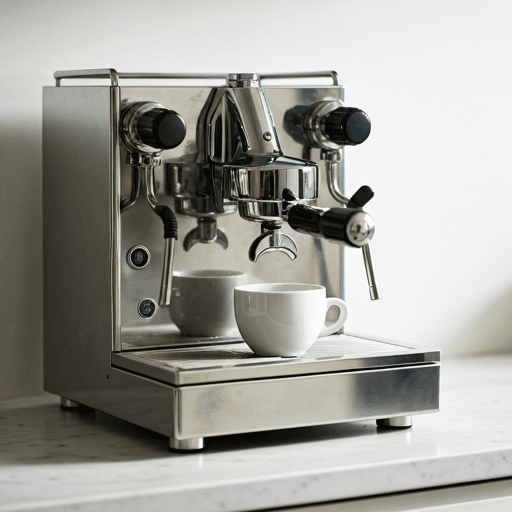
Ninja espresso machines are the espresso-capable side of Ninja, a mass-market kitchen brand that builds all-in-one countertop units designed to make café-style drinks approachable rather than to chase traditional barista control. The range is led by the Ninja Luxe Café (Premier Series) and the Ninja Espresso & Coffee Barista System — machines that automate grinding, dosing and milk so you can pull an espresso-style shot without dialling everything in by hand. This guide explains what each Ninja coffee and espresso maker actually makes, how they differ from a classic espresso setup, and what to weigh before choosing one.
If you want a refresher on the drink itself before comparing hardware, our companion piece on what espresso is covers the fundamentals. Here, we stay focused on the machines.
What Ninja espresso machines do differently
Most Ninja espresso machines are "3-in-1" style: a single appliance that pulls an espresso-style shot, brews a larger drip or pour-over-style cup, and makes cold brew or cold-pressed espresso — usually with a built-in grinder and either an automatic or a fold-away milk frother. The whole pitch is convenience. Instead of a counter cluttered with a grinder, a machine and a separate frother, you get one footprint that grinds, doses, brews and textures milk, with presets doing much of the thinking a home barista would otherwise do by hand.
That is the central contrast with a classic espresso machine. A traditional setup expects you to dial in the grind, weigh your dose, tamp evenly, and read the shot as it runs — a rewarding craft, but a learning curve. Ninja deliberately leans the other way, toward guided prompts, weight-based dosing and one-touch milk, trading manual control for a gentler on-ramp. Neither philosophy is "better" in the abstract; it depends on whether you enjoy the ritual or simply want a good cup quickly. For a brand-neutral framework on that decision, see how to choose an espresso machine.
Treat "bar" numbers with care
Like most mass-market brands, Ninja advertises a pump-pressure figure in "bars," and it is easy to assume a bigger number means better coffee. It does not. Espresso is generally extracted around nine bars of pressure at the coffee puck; a machine may advertise a far higher pump rating that never actually reaches the grounds. What shapes the cup is extraction quality — grind size, dose, water temperature and even distribution through the puck — not the headline bar figure. Read pressure claims as marketing, and judge a machine by how consistently it extracts a balanced shot.
The Ninja espresso range at a glance
Ninja's line-up and model names vary by region and get refreshed often, so treat specific models as examples of what each type does rather than a fixed, permanent catalogue. Two families anchor the espresso side, with the wider "coffee and espresso" range sitting alongside them.
| Model | What it makes | Milk system | Cost tier (qualitative) | Best for |
|---|---|---|---|---|
| Ninja Luxe Café (Premier Series) | Espresso, drip coffee, and rapid cold brew / cold-pressed espresso; built-in burr grinder and scale | Automatic hands-free frother (hot or cold microfoam, dairy or plant-based) | Premium — the priciest Ninja tier | Bean-to-cup automation and hands-free milk in one machine |
| Ninja Espresso & Coffee Barista System | Espresso from ground coffee or Original-style capsules, plus single-serve brewed coffee (carafe on some versions) | Manual fold-away frother (pre-heat the milk yourself) | Mid-range — more affordable | Capsule-and-ground flexibility without a built-in grinder |
| Ninja Specialty / DualBrew (coffee-first) | Drip and pod coffee; some include a small fold-away frother — not a true espresso machine | Manual frother (varies by model) | Entry to mid | Everyday drip and pods; covered in the specialty guide |
Ninja Luxe Café (Premier Series)
The Ninja Luxe Café is the most feature-rich Ninja espresso machine and the closest the brand comes to a premium bean-to-cup experience. It pairs a built-in conical burr grinder with an integrated scale for weight-based dosing, an assisted tamper that packs the puck for you, and a hands-free milk frother that textures hot or cold microfoam using dairy or plant-based milk. Its "Barista Assist" guidance suggests a grind size and quietly adjusts brew temperature and pressure as the shot runs. Beyond espresso, it brews drip coffee and rapid cold brew, including a cold-pressed espresso style. This is the tier for someone who wants the whole workflow — grind, dose, tamp, brew and froth — handled in one machine with minimal manual effort.
Ninja Espresso & Coffee Barista System
The Ninja Espresso & Coffee Barista System is the more affordable route into Ninja espresso. It pulls espresso from ground coffee and is also compatible with Nespresso Original-style capsules, and it brews single-serve regular coffee too; some versions add a multi-cup carafe so you can make a pot alongside your shots. Milk here is manual: a fold-away frother tucks neatly into the side of the machine, and you warm the milk first, then froth it yourself. It is a sensible pick if you value the flexibility of switching between capsules and ground coffee, want everyday drip in the same appliance, and do not need a built-in grinder.
What to look for in a Ninja espresso machine
Built-in versus separate grinder
Fresh grind matters more than almost any other single factor for espresso. The Luxe Café includes an integrated burr grinder and scale, so beans go in and a dialled dose comes out. The Barista System expects pre-ground coffee or capsules, which means you either buy ground coffee or add a standalone grinder. Built-in is tidier and cheaper as a package; a separate grinder can be higher quality and easier to upgrade later without replacing the whole machine.
Automatic versus manual milk
This is one of the biggest practical differences across the range. An automatic frother, as on the Luxe Café, steams and textures milk hands-free with froth presets — pour it in, press a button, walk away. A manual fold-away frother, as on the Barista System, needs you to heat the milk first and froth it yourself, which is cheaper and perfectly workable but adds a step. If you make lattes and cappuccinos daily, automatic milk is the feature you will appreciate most.
Shot presets, temperature and strength control
Look closely at how much you can actually adjust versus what is locked to a preset. The more a machine lets you tune grind size, dose or strength, brew temperature and pressure, the more room you have to improve the cup as your palate develops. Heavily fixed presets are foolproof but leave you fewer levers to pull when a shot tastes sour or bitter.
Single-serve versus multi-serve
Some Ninja machines are built around one shot or one cup at a time; others add a carafe so you can brew a batch of drip coffee alongside espresso drinks. Match this to your household. A full carafe is wasted on a solo espresso drinker but a genuine convenience for a family or an office corner where several people want coffee at once.
Cleaning and upkeep
All-in-one machines simply have more parts to keep clean — the grinder, the frother, the drip path and the brew group — plus periodic descaling. Removable, dishwasher-safe components and a clear cleaning cycle make daily life far easier, so weigh them alongside the brewing features. Milk systems in particular need rinsing after every use, whether automatic or manual, or they clog and sour quickly.
Ninja espresso versus the rest of the Ninja range
The naming across Ninja's coffee and espresso maker line can be genuinely confusing, so it helps to draw one clear line: not every Ninja "coffee" machine is an espresso machine. Alongside the espresso models, Ninja sells coffee-first brewers — the drip-focused Ninja Specialty Coffee Maker and the DualBrew pod-and-ground systems — that make excellent regular coffee but do not pull true pressurised espresso. If espresso is not your priority, or you mainly want big mugs of drip and the option of pods, those are the machines to compare, and we cover them separately in our guide to the Ninja Specialty coffee maker. And if price is the deciding factor, it is worth setting Ninja against dedicated entry-level espresso machines in our roundup of the best budget espresso machines before you commit.
The bottom line on Ninja espresso
Ninja's appeal is refreshingly honest: it packages grinding, brewing and milk into one approachable machine and hides most of the fiddly steps behind presets and guidance. That suits anyone who wants café-style drinks with minimal fuss, and it is a reasonable on-ramp to making espresso at home. Just keep your expectations calibrated — the same automation that makes these machines easy also caps how far you can push and refine a shot, and a large bar number on the box will not change that. Decide how much control you genuinely want, how many people you are brewing for, and whether you would rather learn the craft or skip it, and let those answers, not the spec sheet, guide the choice.