
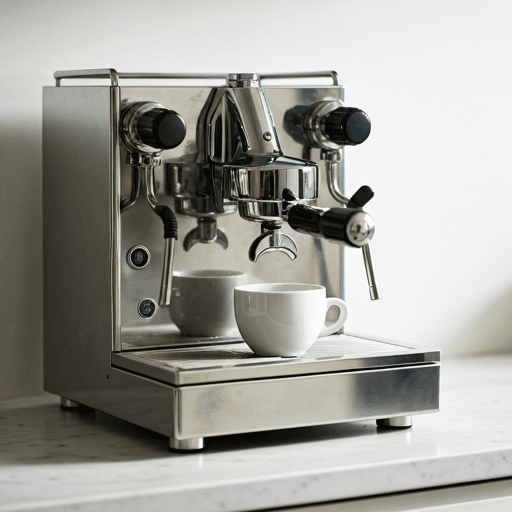
A K-Cup is a single-serve coffee pod built for Keurig brewers: a small plastic cup that holds a measured dose of ground coffee, sealed with a built-in paper filter inside and a foil lid on top. When you drop it into the machine, needles pierce the lid and the base, hot water is forced through under gentle pressure, and one fresh cup pours straight into your mug. This guide explains what K-Cup coffee pods actually are, the range you can buy, how reusable and recyclable options work, and the real trade-offs of brewing this way.
We will keep to the pods themselves. For how the brewer works, its water reservoir, sizes and cleaning, see our Keurig coffee maker guide. For choosing tasty pods, see the best coffee pods for Keurig.
What is a K-Cup coffee pod?
K-Cup is the brand name Keurig uses for its single-serve capsules. Each pod is a self-contained mini brewer: a rigid plastic cup, a cone of filter paper heat-sealed inside, roughly 8 to 12 grams of ground coffee (amounts vary by roast and brand), and a foil lid crimped over the top. Nothing spills, nothing needs measuring, and the grounds stay sealed away from air and light until the moment you brew. That sealed format is the whole point: it trades the ritual of a scoop, a grinder and a coffee pot for speed and repeatable results.
K-Cups are not the same as Nespresso or Dolce Gusto capsules, even though people lump them together as "pods." They are a different shape, a different size and use a different pressure system, so they are not interchangeable between machines. If you are comparing systems, our Nespresso pods and capsules explainer covers that side of the pod world.
How a K-Cup brews one cup
The mechanics are simple. You lift the handle, seat the pod, and close it. A needle in the lid punctures the foil while a second needle pierces the base. Hot water, usually around 192 to 197 degrees F (about 89 to 92 degrees C), is pushed in through the top, saturates the grounds, and drains out through the punctured bottom and the internal paper filter into your cup. The brew is closer to a fast drip than to true espresso, so K-Cup coffee is smooth and quick rather than intense and crema-topped.
Most Keurig brewers let you pick a cup size, typically somewhere between about 6 and 12 oz. Bigger sizes pass more water through the same amount of coffee, so a 12 oz pull tastes noticeably weaker than a 6 oz one. Many models add a "Strong" or "Bold" button that slows the water down for a punchier cup from the same pod. Beyond that, the flavor is set by the pod you chose.
The range of K-Cup pods
The K-Cup format goes far beyond plain coffee. Because the key patents on the original design expired in 2012, hundreds of brands now sell compatible pods, which is why the aisle is so crowded.
- Coffee, every roast: light, medium, dark, breakfast blends, single origins and flavored options such as hazelnut, vanilla and pumpkin spice. Big-name Keurig coffee pods include supermarket brands and cafe labels alike, and Starbucks K-Cups bring familiar roasts like Pike Place into the format.
- Decaf: nearly every roast line has a decaffeinated version. For how decaf pods are made and how they taste, see our guide to decaf coffee pods and capsules.
- Tea and hot cocoa: K-Cups also come as black, green and herbal teas, plus hot chocolate and chai, so one machine covers the whole household.
- Iced and specialty: some pods are formulated to brew stronger for pouring over ice, and seasonal or dessert flavors rotate through the year.
Because so many companies make them, quality varies widely. K-Cup coffee ranges from genuinely good, freshly roasted pods to cheap, stale ones, so the brand matters more than the format.
Reusable and refillable K-Cups
You are not locked into buying pre-filled pods. A reusable K-Cup, sold under names like "My K-Cup" and by many third parties, is a refillable plastic-and-mesh basket you fill with your own ground coffee, brew, then rinse and reuse. This lets you use freshly ground beans, control the dose and the grind, and cut down on waste and cost per cup. The trade-off is that you are back to measuring and cleaning, which erases some of the convenience that drew people to K-Cups and pods in the first place. A medium grind, slightly coarser than espresso, tends to work best; too fine can clog the filter or over-extract.
Recycling and waste
Waste is the honest downside of single-serve. As of the end of 2020, Keurig says all its K-Cup pods are made from recyclable #5 polypropylene plastic, and many now have an easy-peel lid tab. But "made from recyclable plastic" is not the same as "recycled everywhere." To recycle a used pod: peel off the foil lid and bin it, tip out the grounds and the paper filter (both can be composted), and only then put the plastic cup in recycling, if your local program actually accepts small #5 pods.
That caveat is real. Not every facility takes small containers, and in 2024 U.S. regulators penalized Keurig over recyclability claims that overstated how readily the pods are accepted. Some brands now sell certified-compostable pods or run mail-back recycling programs. If sustainability matters to you, check what your municipality accepts before assuming the pod is truly circular, or lean on a reusable basket instead.
Compatible pods and the Keurig 2.0 lock-out
For a stretch, not every pod worked in every machine. When Keurig launched its 2.0 brewers in 2014, they carried a lid-scanning system that refused to brew capsules without an approved marker, a move aimed at unlicensed third-party pods after the original patents lapsed. It backfired: it briefly blocked even Keurig's own My K-Cup, sparking consumer anger, "freedom clip" workarounds and lawsuits. Keurig restored reusable-cup compatibility in 2015 and later dropped the lock-out approach entirely. Modern Keurig brewers no longer police pods, so the huge universe of compatible third-party K-Cups works freely again. If you own an older 2.0 model, look for pods labeled "compatible with Keurig 2.0."
The trade-offs: convenience versus cost and waste
K-Cups win on speed, consistency and zero mess. There is no grinding, no measuring, no soggy filter to dump, and every cup tastes about the same, which is exactly what a lot of busy mornings and shared offices want. They lose on two fronts: cost per cup is higher than scooping ground coffee into a drip machine or coffee pot, and each pod is a piece of packaging. Freshness is a middle ground, since sealed pods keep well but were ground weeks or months before you brew them. Here is the quick decoder.
| Pod aspect | What to know |
|---|---|
| What it is | Single-serve pod: plastic cup + internal paper filter + foil lid, holding ~8 to 12 g of ground coffee |
| How it brews | Needles pierce top and base; hot water (~192 to 197 F) passes through into your cup, drip-style |
| Cup sizes | Usually ~6 to 12 oz; larger sizes taste weaker; "Strong" button adds body |
| Range | Coffee (all roasts, flavored), decaf, tea, chai, hot cocoa; many brands including Starbucks |
| Reusable option | My K-Cup style refillable basket for your own ground coffee; less waste, more cleaning |
| Recycling | #5 polypropylene; peel lid, empty grounds, then recycle only if your area accepts small pods |
| Compatibility | Original K-Cups and third-party pods work in current brewers; older 2.0 units may need "2.0-compatible" pods |
| Not the same as | Nespresso or Dolce Gusto capsules, different shape and system, not interchangeable |
Tips for better K-Cup coffee
- Choose a smaller cup size, or the Strong setting, for a fuller flavor from any pod.
- Store pods somewhere cool and dark; heat and light stale them faster.
- Run a plain hot-water cycle first thing to warm the machine and rinse the lines.
- Descale regularly so mineral buildup does not slow the brew or dull the taste.
- Try a reusable basket with freshly ground beans when you want cafe-level flavor and less packaging.
The bottom line on K-Cups and pods
K-Cups earned their place by making one good cup effortless: seal in the coffee, pierce, brew, done. They are not the cheapest or the greenest way to make coffee, and they will never rival a careful pour-over for flavor, but for pure convenience and reliable results they are hard to beat. Match the format to what you value most, reach for a reusable basket if waste or cost bothers you, and let the pod you pick do the heavy lifting. The machine matters, but the pod is where a cup's flavor and its footprint are really decided.